A delayed iPhone release might weaken Apple's brand.
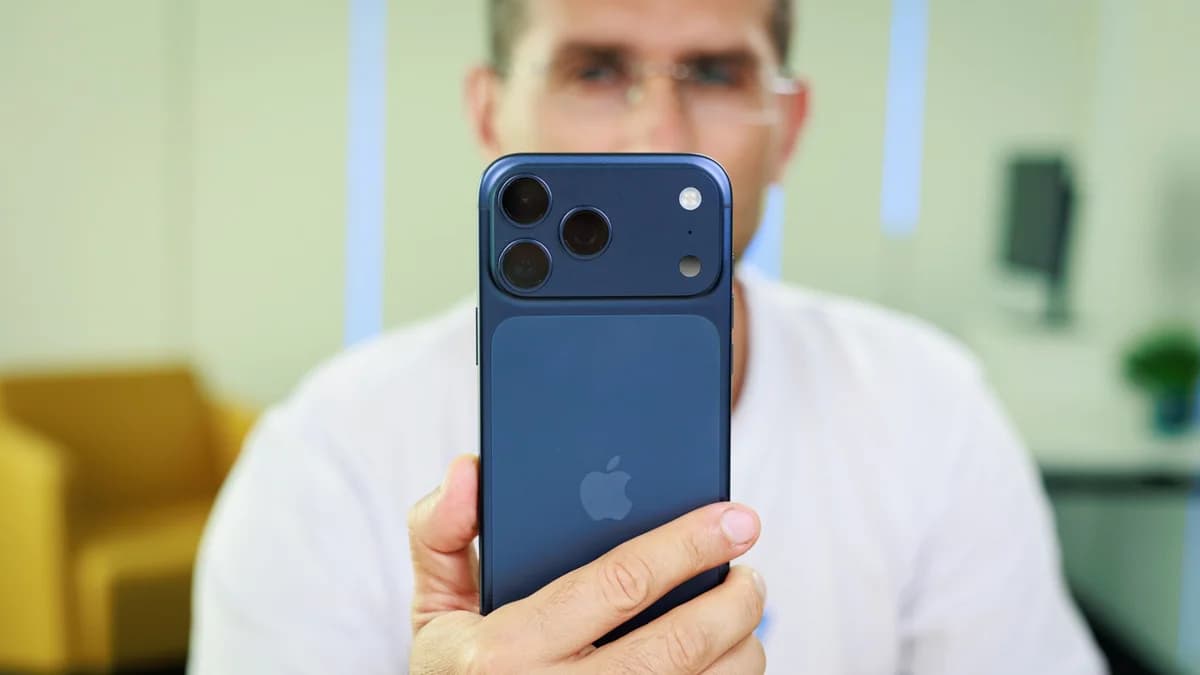
Why sustained releases might mean less spectacle.
Apple's annual September iPhone launch event, a key date for tech enthusiasts, may be undergoing significant changes. Apple is considering dividing its iPhone releases into two separate events, a move that could reshape the industry's expectations.
For years, the established pattern has been summer leaks followed by the unveiling of the complete new iPhone lineup in September. However, a recent report, corroborated by Bloomberg's Mark Gurman, indicates this tradition may be shifting.
The suggestion is that Apple will divide its flagship releases, potentially beginning with the iPhone 18 series, making the September launch only one part of the process.
The higher-end Pro and Pro Max models, along with a potential foldable iPhone, would still be released in the fall. However, the standard iPhone, a more budget-friendly "e" version, and the rumored iPhone Air 2 could be delayed until the first half of the following year, 2027.
This would effectively create two iPhone cycles each year, instead of a single major launch. This approach is likely intended to maintain a competitive edge.
The question is why dismantle a release structure that has been successful for over a decade? The primary reason is competition.
Samsung, Apple's main competitor, typically releases its Galaxy S flagships in the first quarter. The split schedule would allow the standard iPhone models to compete directly with the Galaxy S line during the early-year buying period, sustaining Apple's presence throughout the year. This appears to be a strategy to challenge the competition on their own ground.
The advantage is clear: consistent revenue and reduced strain on the supply chain. However, it raises the question of whether a constant stream of new iPhones will diminish excitement.
The iPhone's brand power has been partially driven by the significant September event. Splitting this event could reduce its impact. It's a calculated risk, based on the idea that increased sales throughout the year are worth sacrificing the singular hype cycle.
From a consumer perspective, this new release schedule could create confusion. However, for Apple, it represents a sound market strategy.
For buyers, it complicates the decision-making process. "Should I buy the Pro now, or wait for the standard model with the latest chip?" This might dilute the brand's prestige. The iPhone has always been seen as a unique event. Making it a semi-annual occurrence could make it seem less special.
The smartphone market is competitive, and Samsung has been a consistent challenger in the first half of the year. Apple appears to be adopting a more strategic approach.
They are prioritizing consistent market presence over a single spectacle. If executed effectively, they gain two opportunities each year, with the only potential drawback being consumer patience. The Pro models are still likely to retain the majority of the brand's appeal, but some consumer confusion is expected if this change is implemented.