A first look at the Vivo X300 Pro and X300 reveals initial impressions and camera capabilities.
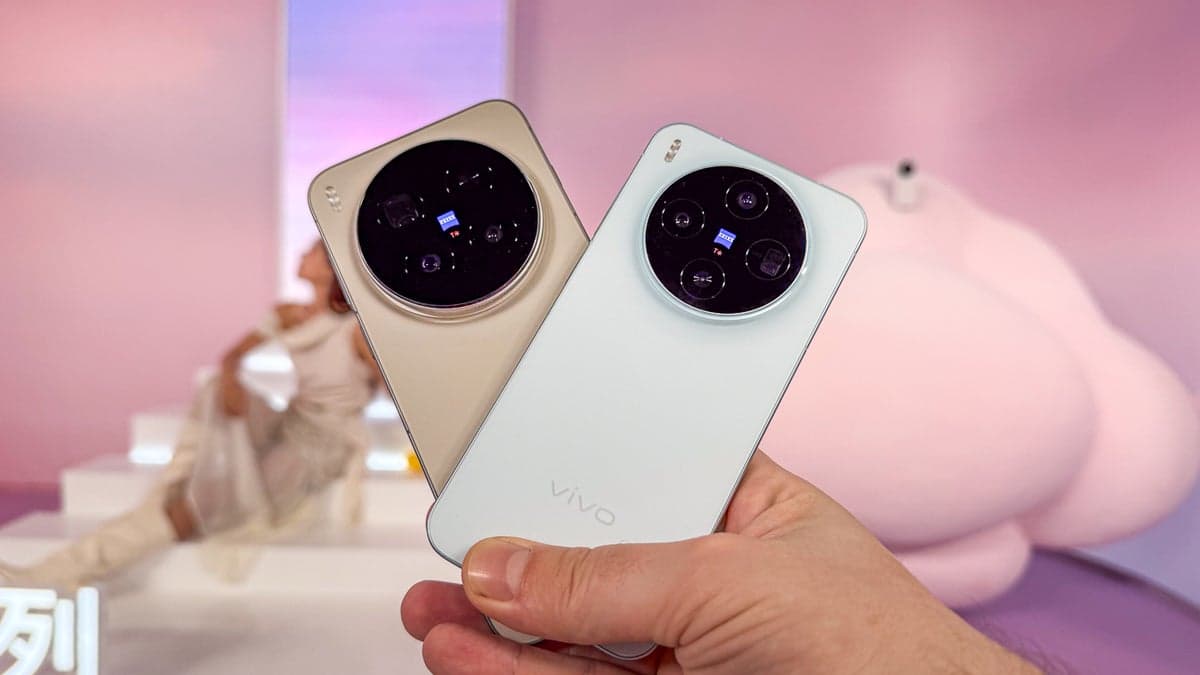
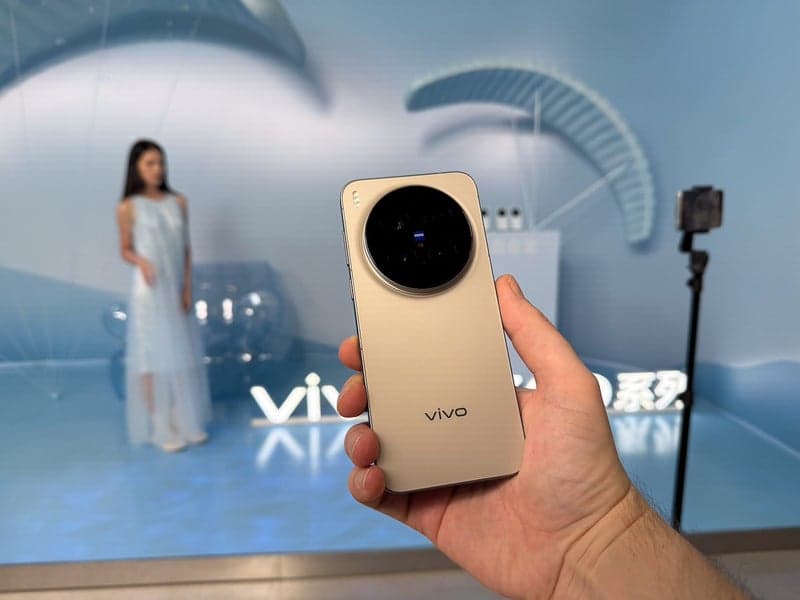
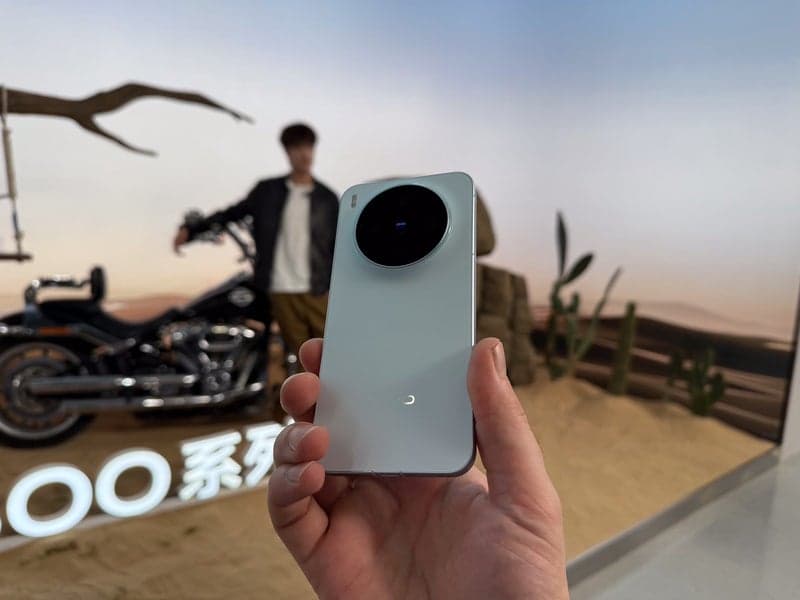
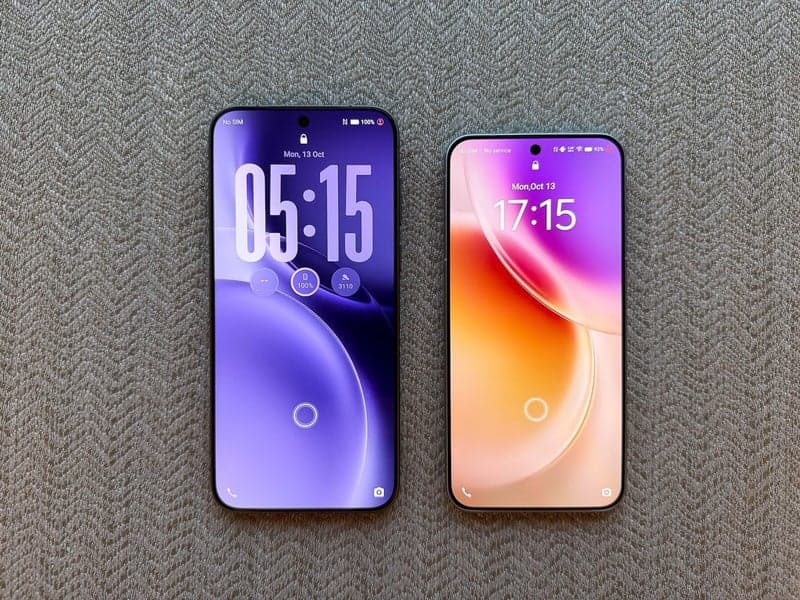
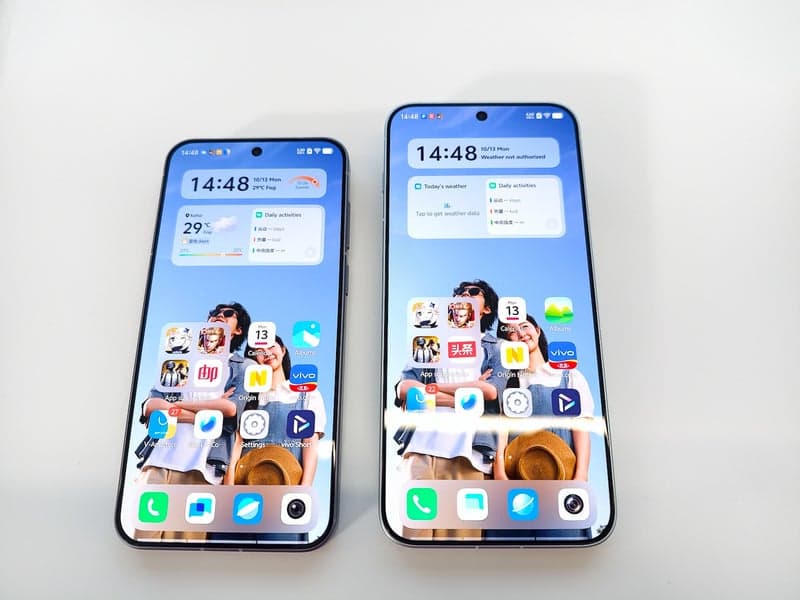
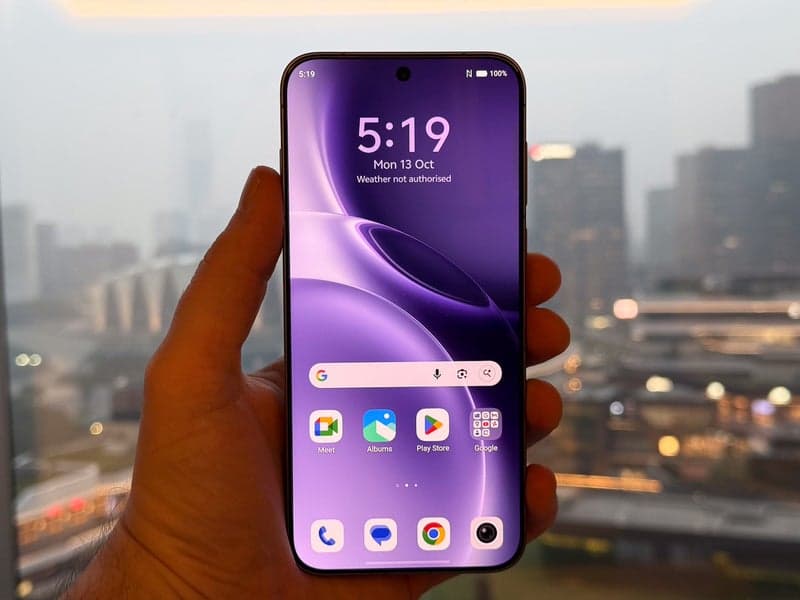
Vivo’s new flagships look familiar, but the experience feels brand new.
## A Look at the Vivo X300 Pro and X300
The backs have fine-grain frosted glass, providing a good feel. The phones give a nice first impression, feeling balanced and easy to hold due to their flat sides and manageable weight.
Both phones feature a very fast ultrasonic fingerprint scanner. A simple swipe across the sensor area is enough for an accurate scan.
### Initial Thoughts on Cameras
The camera specs differ slightly. The Vivo X300 Pro has a 50 MP main, 50 MP ultra-wide, 200 MP zoom lens, and a 50 MP front camera. The Vivo X300 has a 200 MP main camera, 50 MP ultra-wide, 50 MP zoom, and a 50 MP front camera. The X300 Pro has V1+ and VS3 chips dedicated to camera processing. This combination produces better photos compared to the X300.
The Vivo X300 Pro comes with a Photography Kit including a case, a physical lens, and a camera grip. The lens improves zoom, while AI enhances the standard camera's capabilities. The X300 Pro also has a "Native Lighting" toggle that seems to reduce processing, resulting in a more realistic image. The function of this toggle will be investigated further.
Both cameras feature a Street Photography mode, increasing shutter speed and adding bokeh. Double-pressing the Volume Down button quickly accesses this mode, which can be changed in settings.
### Performance and Dimensity 9500
The phones are the first to use the MediaTek Dimensity 9500 chips. While not common in Western markets, they are high-performing. The Dimensity 9500 is MediaTek's second-generation 3 nm processor.
In 3DMark tests, both the Vivo X300 and X300 Pro initially scored around 6900, eventually throttling to about 3800. This result is similar to iPhone 17 Pro scores. The X300 throttles quickly, while the X300 Pro maintains performance longer due to better thermal management. The phone frames became warm during testing.
Vivo partnered with MediaTek on the Dimensity 9500, aiming to replicate the hardware and software integration found in iPhones. Both X300 models offer up to 16 GB of RAM and 1 TB of storage, depending on the region. The base X300 model starts with 12 GB RAM and 256 GB storage in China. Vivo seeks to match software and hardware integration by working with MediaTek on the Dimensity 9500.
### Origin OS
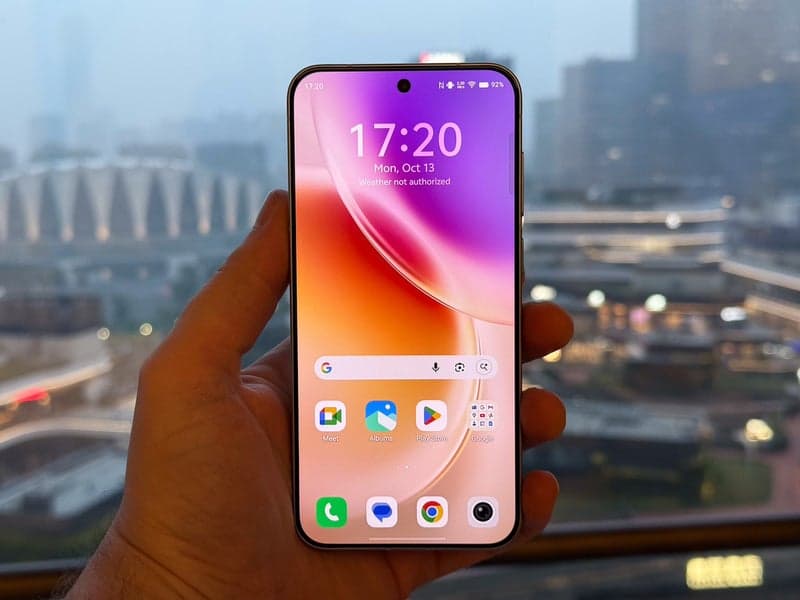
Vivo recently announced that Origin OS 6 will be available globally. Previously, international Vivo phones used Funtouch OS, while Origin OS was for China. Vivo flagships like the X200 Pro and Fold X3 will receive Origin OS soon. Origin OS 6 is based on Android 16. Functionally, it is similar to Funtouch, which was praised for features like file sharing, split screen, and screenshots.
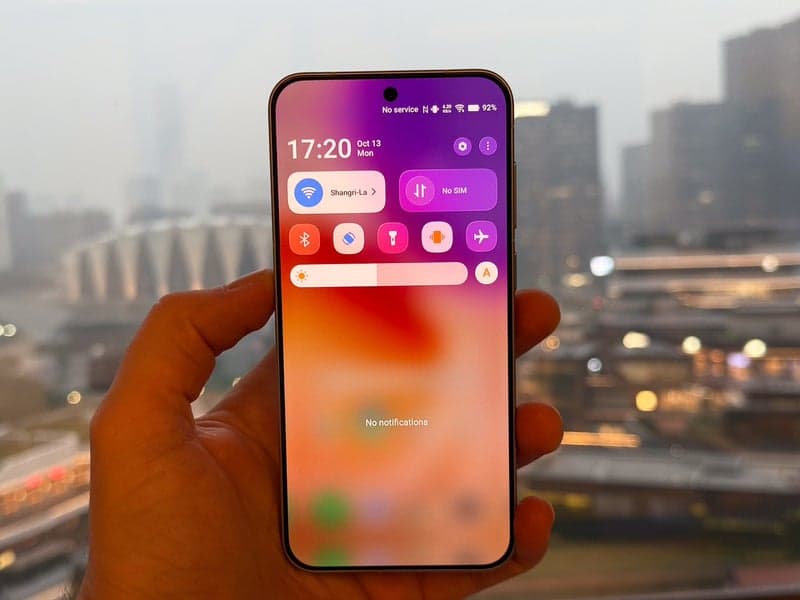
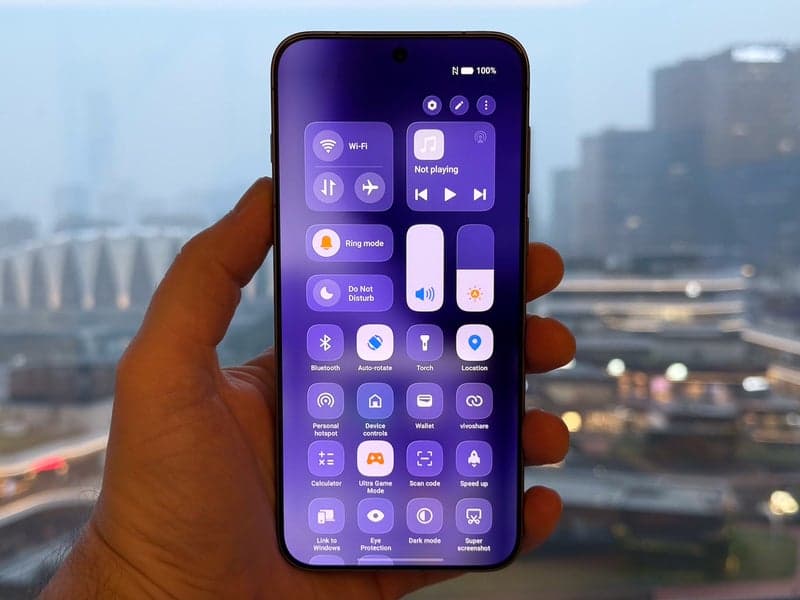
Origin OS 6 offers more customization options than some Android phones. It includes separate drop-down menus for notifications and controls, with the option to switch to the standard Android style. Some elements resemble iOS, such as the lock screen customization and control panel.
### Pricing
Note that USD and EUR prices are conversions from Chinese yuan and may not reflect regional pricing.
The Vivo X300 starts at:
* ¥4,399 (~$618 / €534) for 12 GB + 256 GB
* ¥4,699 (~$660 / €570) for 16 GB + 256 GB
* ¥4,999 (~$702 / €607) for 12 GB + 512 GB
* ¥5,299 (~$744 / €643) for 16 GB + 512 GB
* ¥5,799 (~$815 / €704) for 16 GB + 1 TB
The Vivo X300 Pro starts at:
* ¥5,299 (~$744 / €643) for 12 GB + 256 GB
* ¥5,999 (~$843 / €728) for 16 GB + 512 GB
* ¥6,699 (~$941 / €813) for 16 GB + 1 TB
* ¥8,299 (~$1,166 / €1,008) for the X300 Pro Photographer Edition
The X300 Pro Photographer Edition includes the Photography Kit: grip, lens, filters, and case. It launches on October 17, 2025, in limited quantities.
Vivo has only confirmed a China launch, but a global release may follow.