A new 200MP camera sensor has been released, potentially competing with Sony's top-of-the-line sensors.
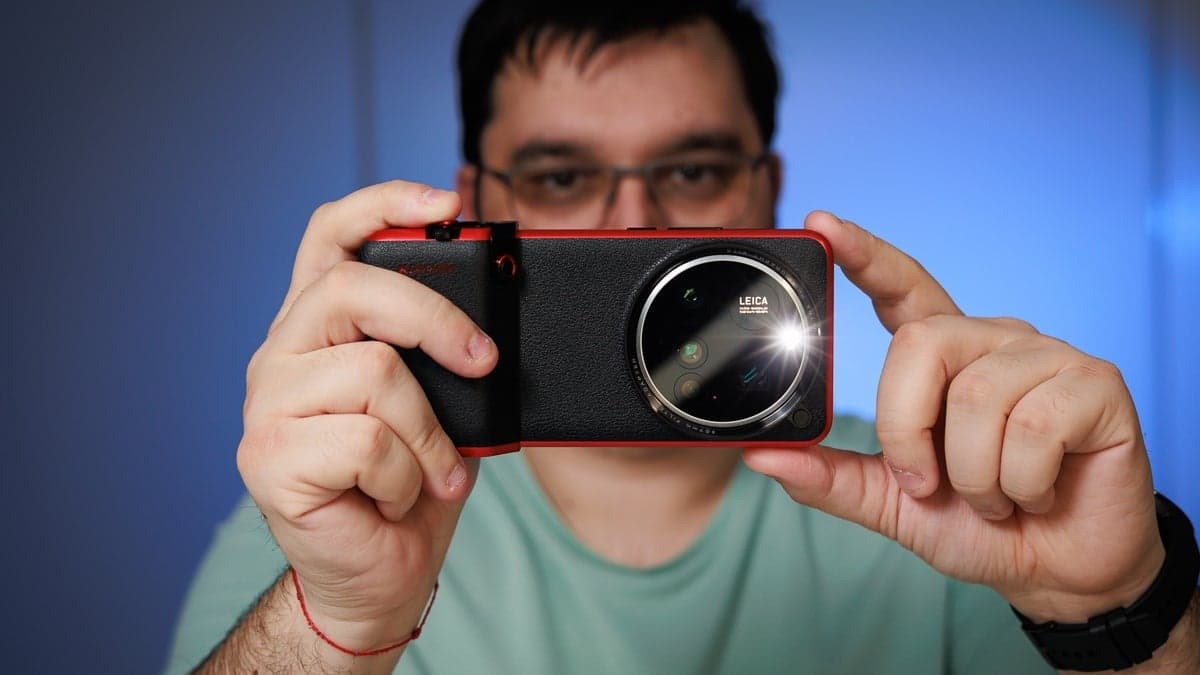
Two new 200 MP sensors are about to reshape the flagship camera landscape in 2026.
A Korean media report indicates that the OVB0D sensor is a 200 MP imager with a 1/1.1-inch size, slightly exceeding Sony’s LYT-901 sensor at 1/1.12 inches. The difference is minimal, and final image quality will depend on the manufacturer's image processing capabilities.
The OVB0D uses a standard Bayer filter with a dual on-chip remosaic system, unlike Sony’s more intricate Quad-Quad Bayer Coding (QQBC) pixel arrangement.
Although Sony’s QQBC design could still offer superior detail due to its 16-in-1 pixel grouping and AI reconstruction, the OVB0D aims to compete at the high end.
Both sensors mark a departure from the 1/1.3-inch sensors commonly found in flagship phones, such as Samsung's Galaxy Ultra series.
Key features enhancing the OVB0D's image processing include:
A 400k full-well capacity (FWC) to retain highlights, allowing the sensor to capture more light and preserve detail in bright areas.
A 108 dB dynamic range, rivaling top-tier smartphone HDR, enabling simultaneous capture of bright and dark areas without detail loss.
DCG + LOFIC Gen 2 multi-frame HDR processing, which combines multiple exposure levels to improve image clarity in challenging lighting.
A dual-stage remosaic system for enhanced detail reconstruction, sharpening fine textures and details when shooting at full resolution.
The LOFIC Gen 2 pipeline enables the sensor to capture detail in mixed lighting conditions, maintaining color accuracy and highlight detail. It rivals Sony’s LYT-901 with its HDR and AI upscaling.
According to tipster @UniverseIce, the OVB0D may appear in Vivo, Oppo, Xiaomi, and Honor flagships starting in 2026.
Samsung is expected to bypass the OVB0D, similar to the Sony LYT-901.
@UniverseIce reports that Samsung's management has declined to adopt these larger, pricier sensors due to rising costs and profit margin concerns. Samsung will reportedly continue using its current 1/1.3-inch 200 MP ISOCELL sensor.
If Samsung forgoes upgrading its flagship camera hardware, Chinese brands could gain a camera performance advantage in the 2026 flagship cycle by using these advanced sensors.
With both Sony and OmniVision advancing to 1/1.1-class 200 MP sensors, the next year of smartphone cameras promises a hardware-driven competition, mainly among phone manufacturers outside the U.S.
Despite not significantly upgrading its camera system, Samsung's flagship phones have performed well in camera tests. However, Sony and OmniVision’s new sensors could change that in 2026.