A potential problem has been discovered with the OnePlus 15 that buyers should be aware of.
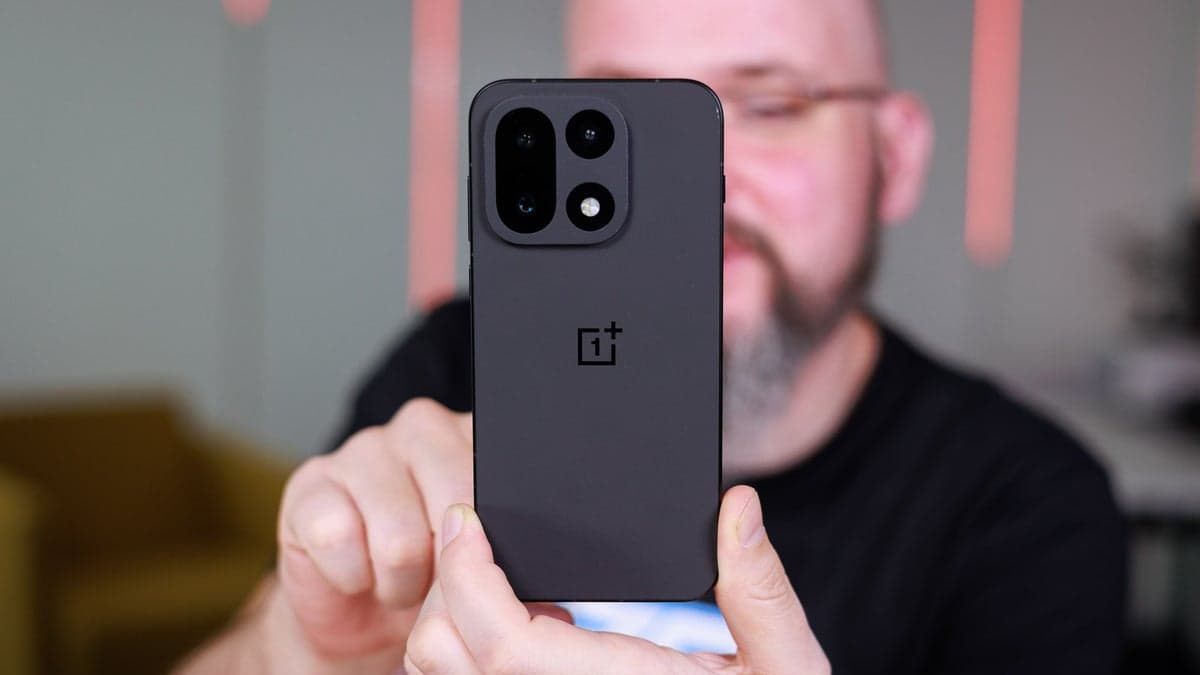
The OnePlus 15 can handle high-intensity tasks, but not for long hours.
The OnePlus 15 was recently released, and a key feature is its Snapdragon 8 Elite Gen 5 chipset. The chipset delivers high performance. In Geekbench 6 single-core tests, it scored 3,493, slightly below the Apple iPhone 17 Pro Max. However, it achieved a leading multi-core score of 10,692, surpassing the Samsung Galaxy S25 Ultra and the Apple iPhone 17 Pro Max.
Such powerful chipsets tend to produce heat during extended use. Therefore, manufacturers use cooling systems for thermal management. Some users report that the OnePlus 15's cooling system may be inadequate. Online posts point to potential overheating issues with this flagship phone, suggesting the cooling system is not fully effective.
For example, X user Hardik reported the device became very hot during the 3DMark Extreme Stress Test (assessing GPU stability and thermal throttling). Temperatures typically increase during these tests, with some phones becoming hotter based on usage.
Other sources claim the OnePlus 15 reached 52.7°C under significant load. The definition of "heavy load" varies. Without knowing the specific processes running during the test, it's hard to confirm if these claims are consistent.
The OnePlus 15 includes a large vapor chamber and Glacier Supercritical Aerogel to maintain a cooler exterior. Despite these features, some users experiencing overheating believe the cooling system is the source of the issue. However, this may not be the case universally.
Testing did not reveal throttling or heat problems. The reported incidents could be isolated to certain OnePlus 15 units, or it could stem from a software issue affecting hardware tuning. This may be resolved in a future software update.
Recent OnePlus phones have included impressive specs and had success. The OnePlus 13 was popular in Western markets due to its 6000mAh battery, among other things.
Hopefully, an update will address any issues, as a fundamental hardware flaw seems unlikely. The OnePlus 15 is among the first devices using the Snapdragon 8 Gen 5 chip, so software updates should optimize its performance. It is prudent to allow time and updates to see if the reported problems persist.