A price increase for the iPhone 17 is possible, but not inevitable.
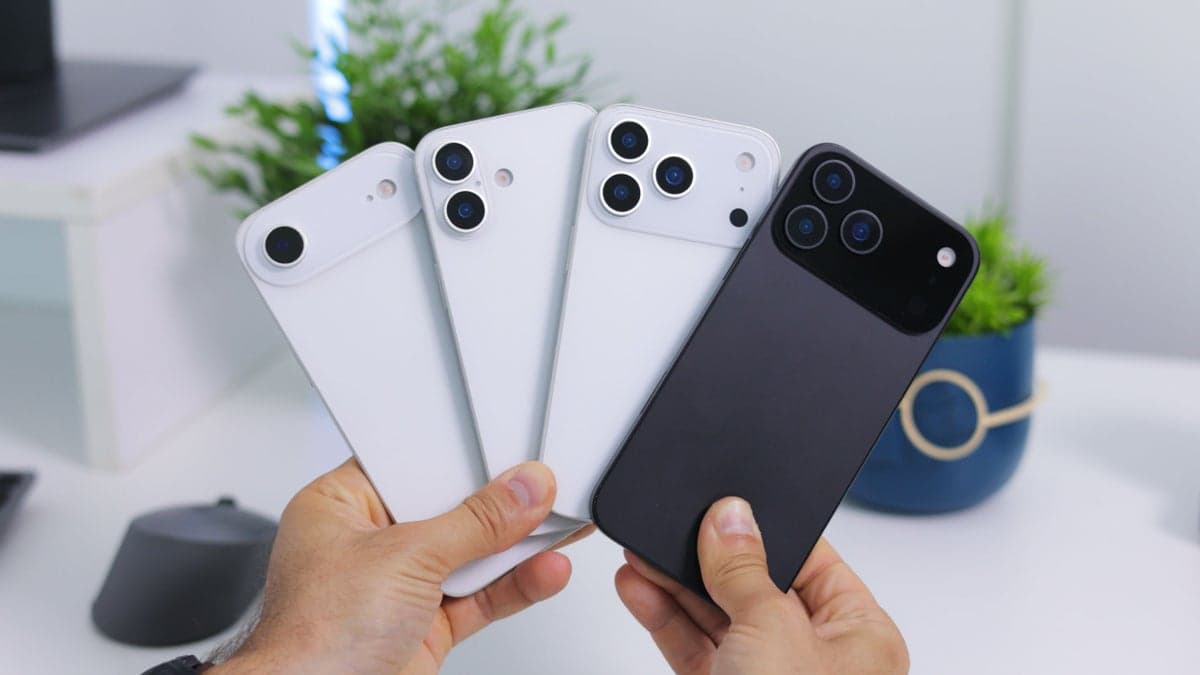
Apple may have various excuses to hike the iPhone price, but it still shouldn’t do it.
If reports are accurate, the base iPhone 17 could be priced at $849, while the iPhone 17 Pro might start at $1,149. Apple may discontinue the 128GB storage option for the Pro model, similar to the iPhone 15 Pro Max, resulting in a $50 increase.
This could reinforce the iPhone's image as an overpriced status symbol. Yet, many smartphones, particularly foldables, already exceed its cost. Those seeking a phone that exudes luxury might consider these alternatives.
The iPhone's value has improved recently, making a price increase potentially detrimental for Apple, even with valid justifications.
Apple's primary justification: stable iPhone prices for eight years
If the iPhone 17's price increases, it would mark the first Pro iPhone price hike in eight years. Apple introduced the iPhone X in 2017 as a premium device at $999. Two years later, the iPhone 11 Pro adopted this price, with the larger iPhone 11 Pro Max at $1,099.
Accounting for inflation, the iPhone X's price would be about $1,300 today. This suggests that Pro iPhones have become more affordable despite economic growth and rising production expenses.
Such calculations could justify Apple's decision to raise prices for all iPhone 17 models. After all, $1,049 is more appealing than $1,300, especially now.
Others are doing it, so why wouldn’t Apple?
In the current economic climate, rising prices are evident. Sony and Nintendo recently increased console prices. The PlayStation 5 rose by $50, and the original Switch is about 10% more expensive. Microsoft previously increased prices for some Xbox models by up to $100 in March.
The reason for rising prices is generally attributed to the "economic environment" and "market conditions."
Hardware isn't the only thing becoming more expensive. Spotify, like many streaming services, has been steadily raising prices. The company has indicated that price increases are now a standard business practice.
Apple is familiar with this, having raised the monthly Apple TV+ subscription from $9.99 to $12.99, while keeping the annual subscription at $99. This may indicate that Apple isn't raising prices arbitrarily, which could be significant.
Consider Google, Apple
Some products have maintained stable pricing. The Pixel 10 Series, for example, launched at the same prices as previous years. The Pixel 10 Pro, a major competitor to the iPhone 17 Pro, still starts at $999.
Samsung, Apple's main competitor, has taken a varied approach with its recent foldables. The Galaxy Z Fold 7 increased by $100, but the Galaxy Z Flip 7 remains at $1,099. It's uncertain if the Galaxy S26 series will cost more, but Samsung may follow Apple's lead.
Apple should consider its rivals before September 9, but there are other reasons why the iPhone 17 shouldn't be more expensive.
It’s a small price to pay
A price increase may deter some buyers, causing them to postpone or skip upgrading. The impact of a price hike is hard to predict, but Apple can afford to absorb additional tariff costs.
During Apple's late July earnings call, CEO Tim Cook stated that tariffs had cost Apple an extra $800 million, with an expected $1.1 billion increase in the September quarter. These costs didn't significantly affect Apple's finances, as it reported strong results with record growth.
Given the global cost-of-living crisis, maintaining the iPhone's current price would be a smart move for Apple. This could improve its reputation as an expensive brand, attracting more customers to its expanding Services segment. It might also pressure Samsung and its Galaxy S26 series. Otherwise, consumers may choose more affordable Android alternatives.
"Iconic Phones" is coming this Fall!
"Iconic Phones: Revolution at Your Fingertips" is coming in a few short months, a coffee table book for every tech-head that will bring you on a journey to relive the greatest technological revolution of the 21st century.