A report details the current experience of buying a new phone in a T-Mobile store.
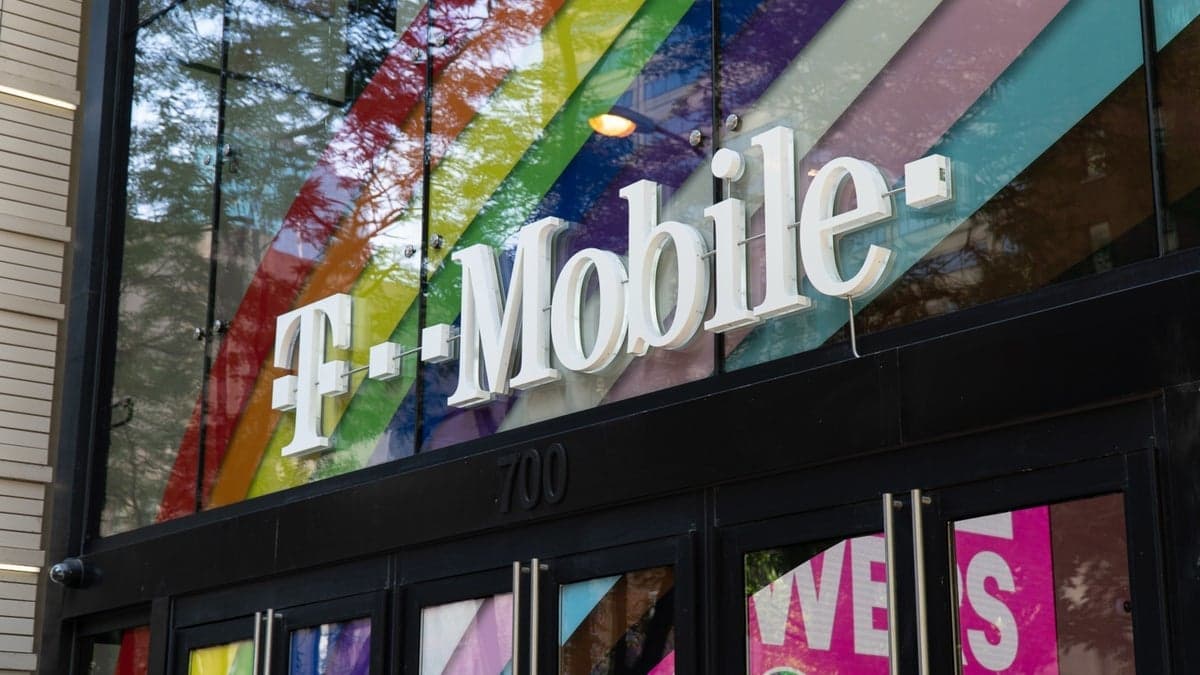
The experience of buying a new phone while inside a T-Mobile store has changed for the worse.
T-Mobile may eventually close stores, enact layoffs, and focus on profits, potentially boosting its stock price but harming customer experience. This shift could benefit executives financially.
A former T-Mobile Mobile Expert with the username carlactln0425 shared on social media his recent experience buying a phone at a T-Mobile store for his brother. He found the process to be primarily self-service.
He stated that upon arrival, a staff member directed him to use the T-Life app for the purchase. The Mobile Expert on duty instructed him to check the app for phone availability and complete the transaction there. The app was slow and prone to crashing.
These issues with the T-Life app, such as slow speed and crashes, have been reported by T-Mobile customers. The former employee also learned that customers without the app cannot make purchases in the store.
Customers have faced difficulties when buying phones at T-Mobile stores for years. Previously, some reps insisted on bundling accessories like insurance and screen protectors with phone purchases to meet sales targets.
While the T-Life app addresses the problem of reps pushing accessories to meet monthly goals, it brings its own challenges. A current Mobile Expert told the original poster that the in-store experience is a result of pressure from management to increase T-Life app usage, which is meant to be a transactional tool and not an interactive one.
T-Mobile's move toward becoming a digital carrier has led to less customer-friendly policies. For instance, warranty replacements must now be picked up in stores rather than being shipped to customers' homes. The customer is then responsible for shipping back the old phone.
The changes suggest that T-Mobile, once known for its customer-centric approach, is making it harder for customers, especially those less tech-savvy, to buy phones and services. These changes appear to be driven by financial considerations.