A test reveals that both brightness and anti-reflection are key to a phone screen's visibility.
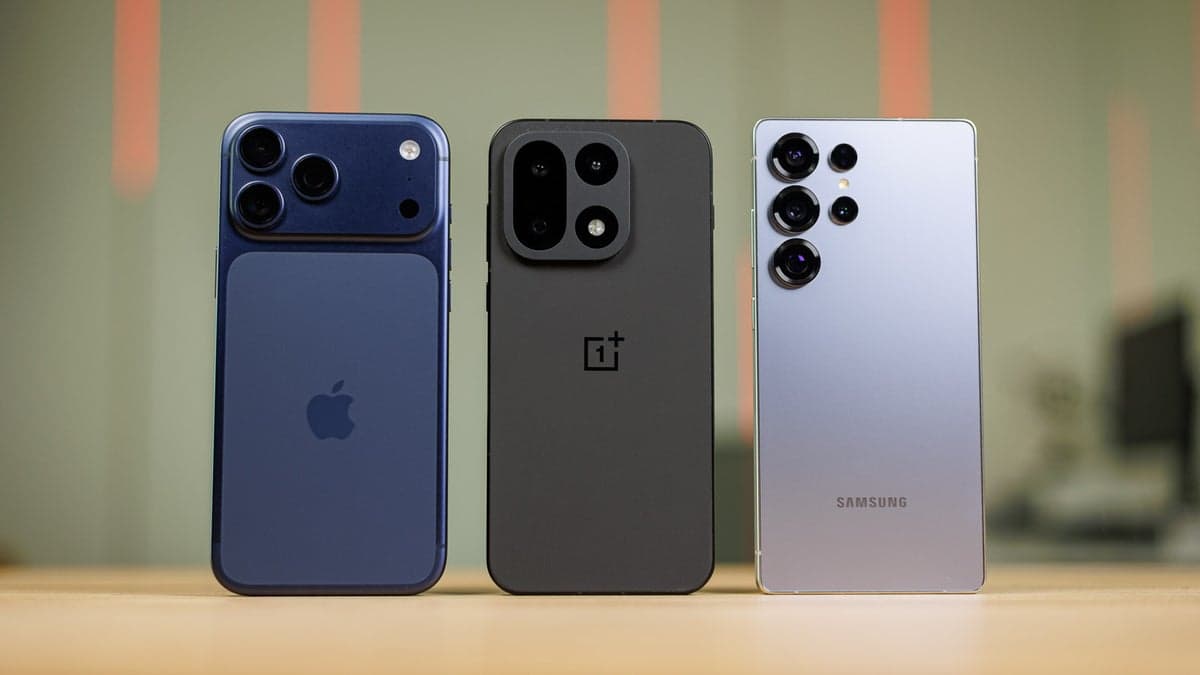



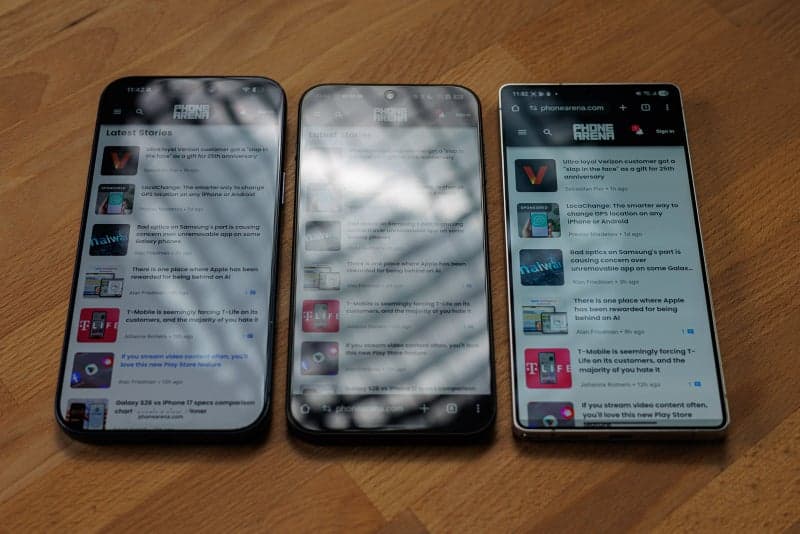
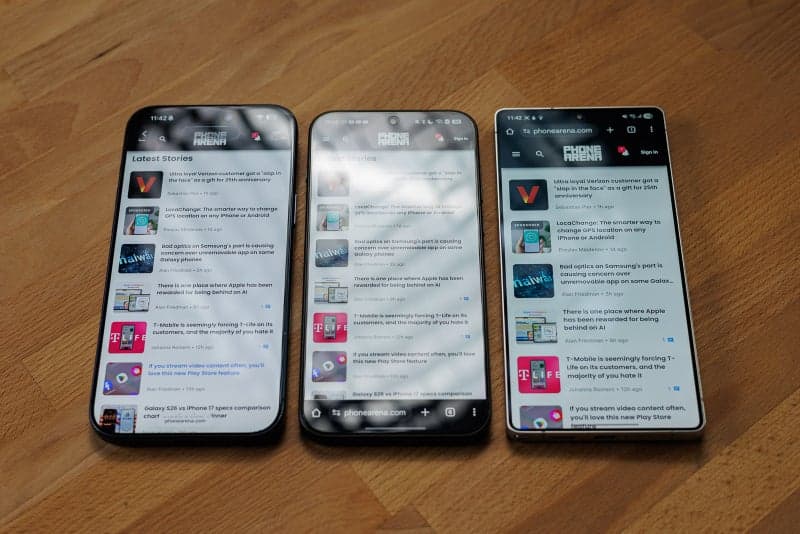
Turns out things are not as straightforward as I though they would be.
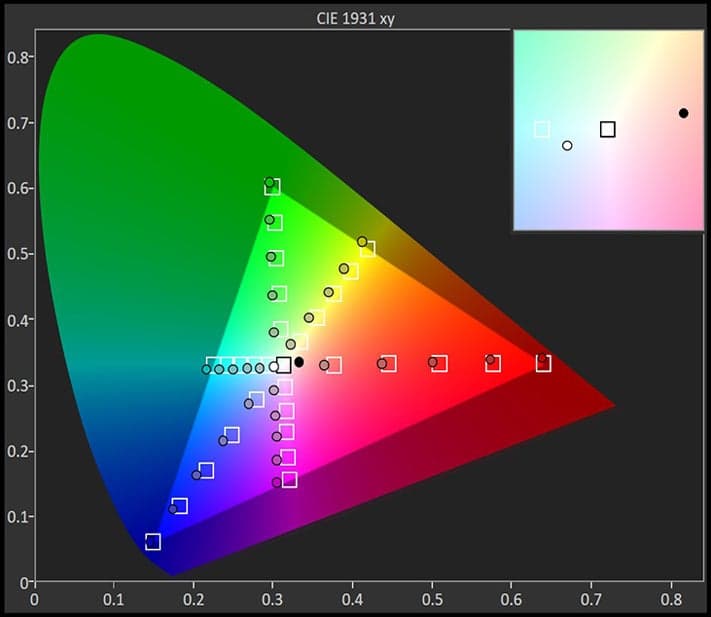
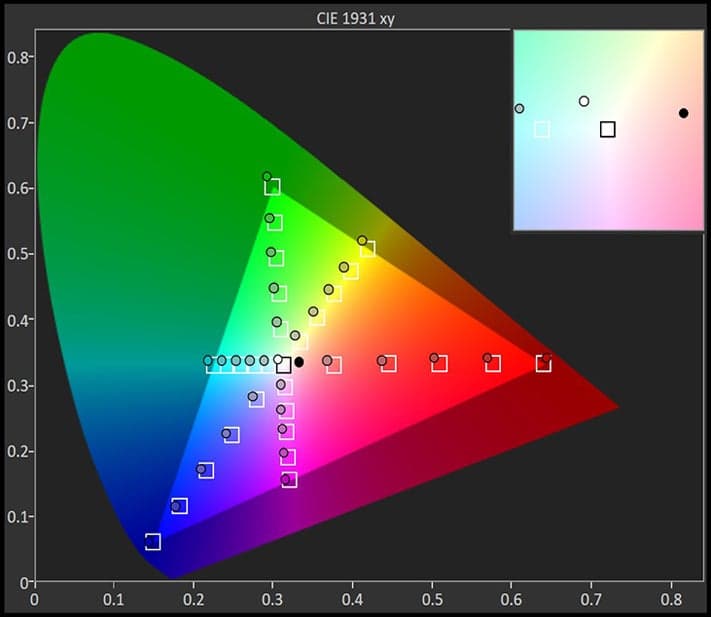
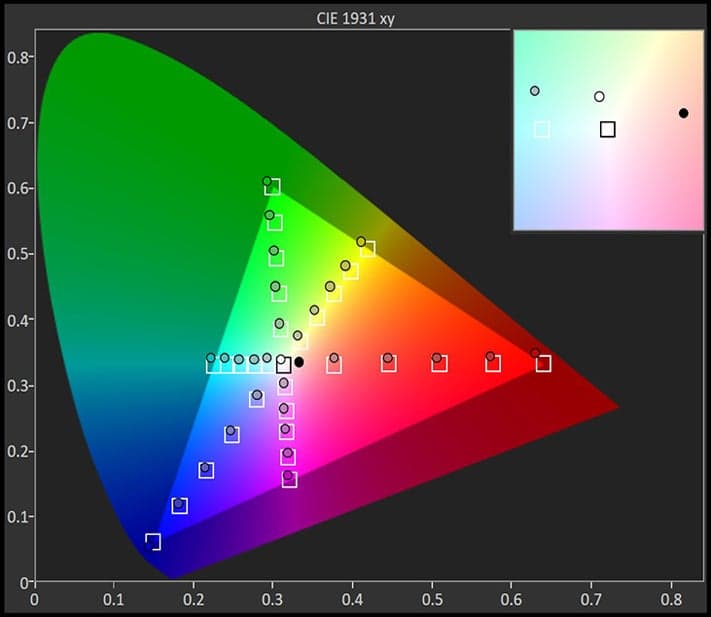
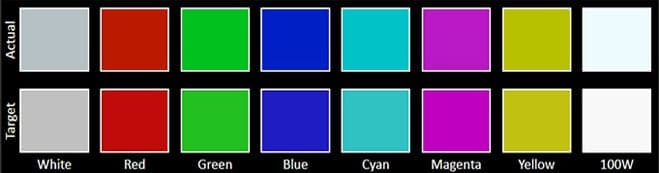
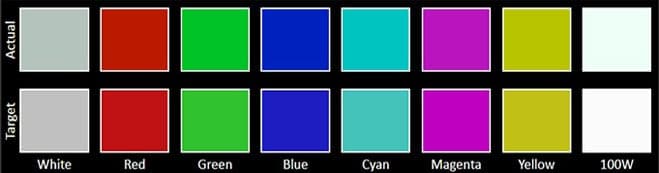
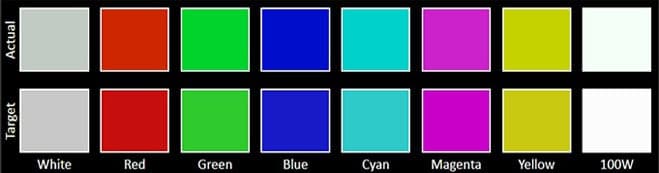
Here are screen measurements and color chart results for the OnePlus 15, Apple iPhone 17 Pro Max, and Samsung Galaxy S25 Ultra:
Screen measurements:
* Bright max (20%APL): OnePlus 15 - 3472 (Excellent), iPhone 17 Pro Max - 2689 (Excellent), Samsung Galaxy S25 Ultra - 2373 (Excellent)
* Bright max (100%APL): OnePlus 15 - 1119 (Good), iPhone 17 Pro Max - 1098 (Good), Samsung Galaxy S25 Ultra - 1284 (Excellent)
* Bright min: OnePlus 15 - 1.8 (Good), iPhone 17 Pro Max - 0.9 (Excellent), Samsung Galaxy S25 Ultra - 0.8 (Excellent)
* Color temp: OnePlus 15 - 7237, iPhone 17 Pro Max - 6801, Samsung Galaxy S25 Ultra - 6515
* Gamma: OnePlus 15 - 2.25, iPhone 17 Pro Max - 2.21, Samsung Galaxy S25 Ultra - 1.98
* Delta E rgbcmy: OnePlus 15 - 1.73 (Excellent), iPhone 17 Pro Max - 2.01 (Good), Samsung Galaxy S25 Ultra - 2.84 (Good)
* Delta E grayscale: OnePlus 15 - 3.89 (Good), iPhone 17 Pro Max - 5.61 (Average), Samsung Galaxy S25 Ultra - 5.56 (Average)
The CIE 1931 xy color gamut chart represents the set of colors a display can reproduce, using the sRGB colorspace as a reference. The chart offers a visual representation of a display's color accuracy. Small squares mark reference points for colors, while dots represent measurements. Ideally, each dot aligns with its square. 'x:CIE31' and 'y:CIE31' values indicate each measurement's position. 'Y' shows luminance in nits, with 'Target Y' as the desired level. 'ΔE 2000' is the Delta E value; below 2 is ideal. Measurements are made using Portrait Displays' CalMAN software.
The Color accuracy chart shows how close measured colors are to reference values. The first line shows measured colors, and the second, target colors; closer alignment indicates better accuracy.
The Grayscale accuracy chart indicates correct white balance across grey levels, from dark to bright. Closer alignment of actual and target colors indicates better accuracy.
APL refers to Average Picture Level. The OnePlus 15 boasts the brightest display at 20% APL, only second to the Oppo Find X9 Pro. Brightness ties to APL because phones reach peak brightness with mixed content, unlike full-screen white (100% APL). The 20% APL reflects typical screen use. Results show the OnePlus 15's panel is nearly 30% brighter than the iPhone 17 Pro Max and almost 50% brighter than the Galaxy S25 Ultra in the 20% APL test.
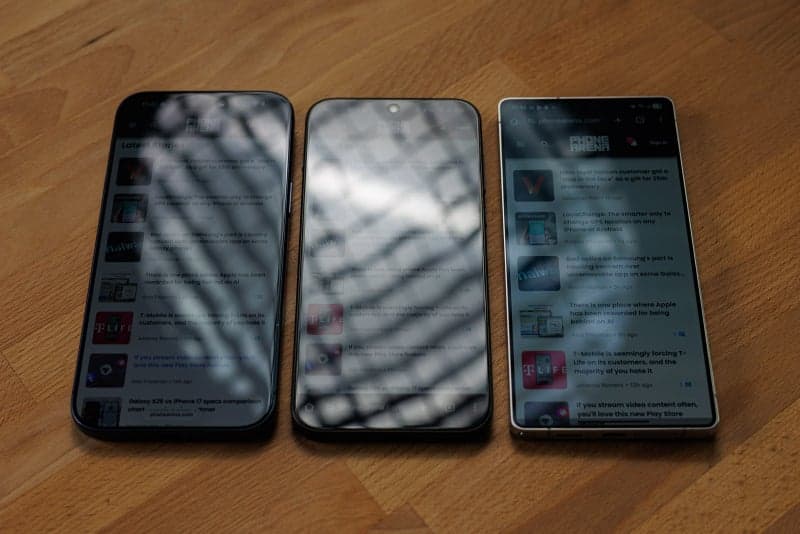
In practical use, brightness is key to visibility in direct light. However, the anti-reflection of the Galaxy S25 Ultra and iPhone 17 Pro Max offers a major advantage. Reflections disappear on the S25 Ultra, while the OnePlus 15 shows a large reflection even at max brightness.
From an angle, the S25 Ultra remains the most visible. The iPhone 17 Pro Max also reduces reflections well, but the OnePlus 15's lack of anti-reflection is apparent.
Coatings deteriorate, and some Galaxy S24 Ultra units have lost anti-reflective properties after a year. Adjusting the phone angle can avoid reflections. Anti-reflection offers a better solution, unachievable through high brightness alone. While impressive, the OnePlus 15 display isn't as practical as the Galaxy S25 Ultra or iPhone 17 Pro Max.
Integrating anti-reflective properties into the glass itself could be revolutionary. Apple’s nano-texture glass exists, but it suffers from loss of clarity and contrast. OnePlus may aim to outperform Samsung in this area next year, given its reputation for pushing hardware limits.