Android's always-on display could be getting a major upgrade soon.
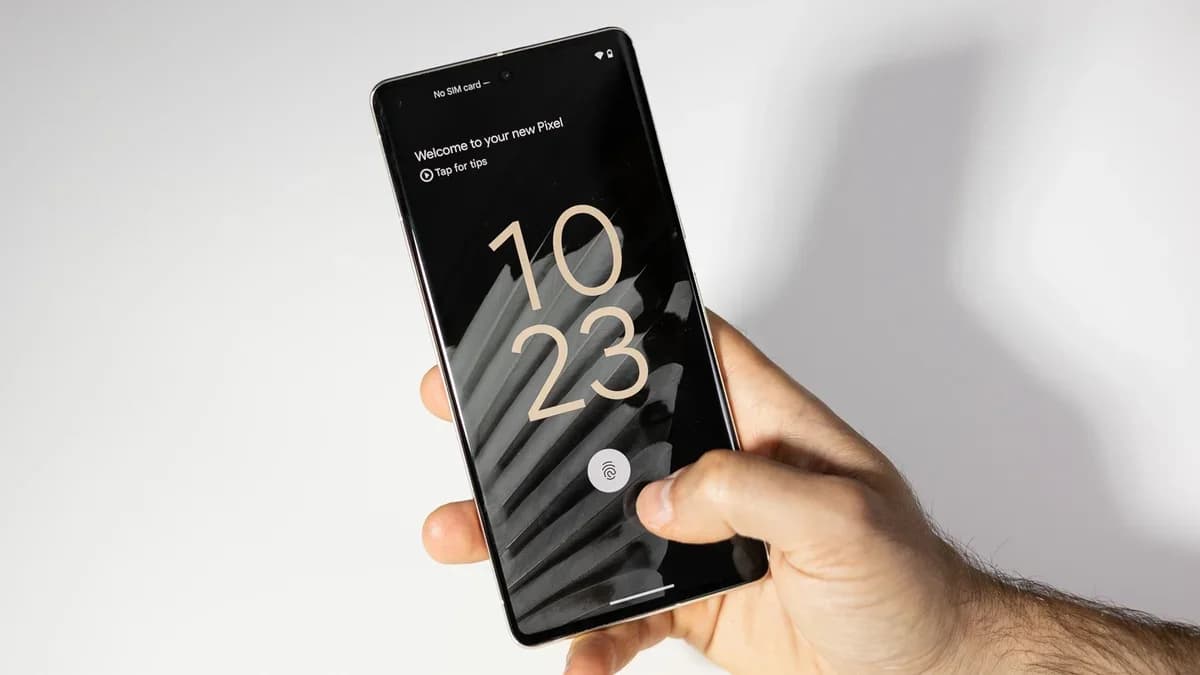
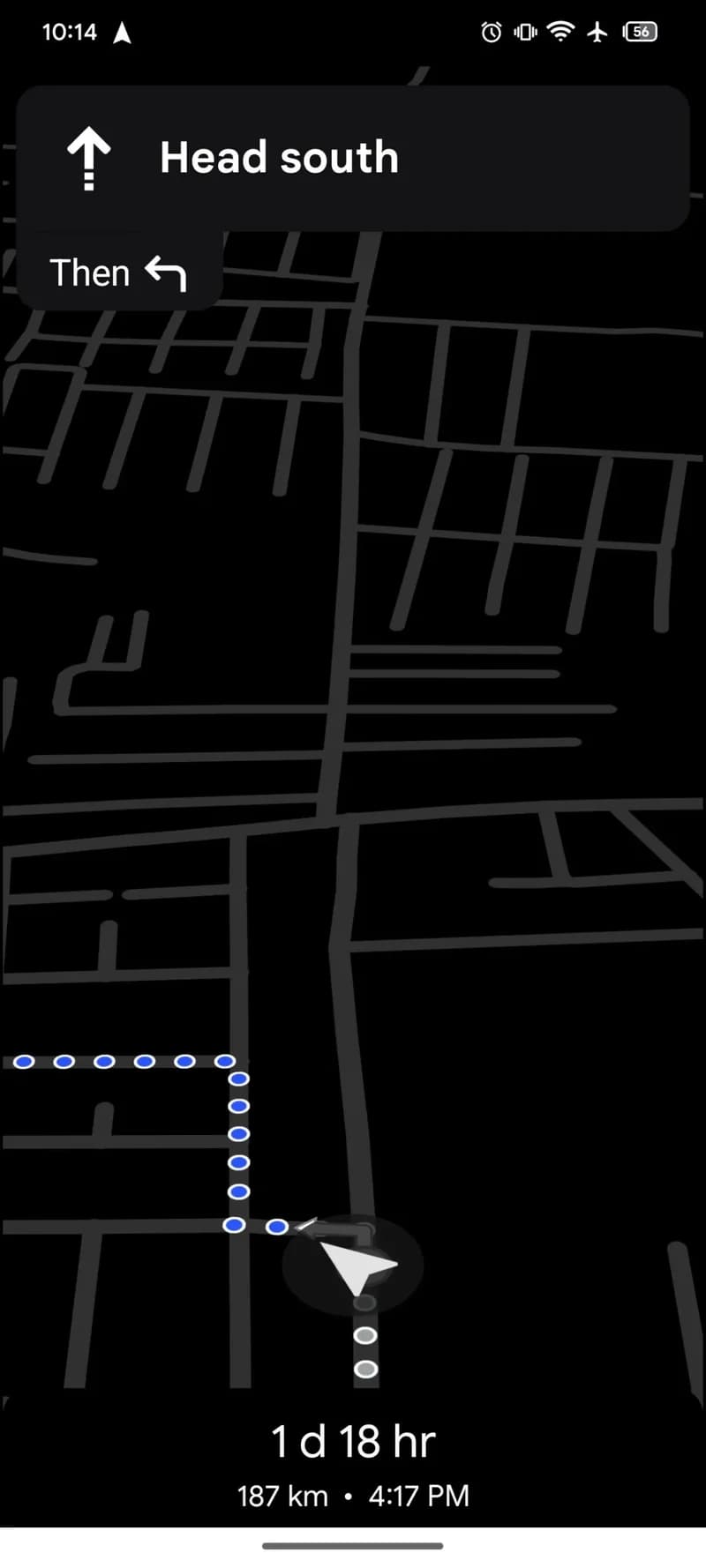
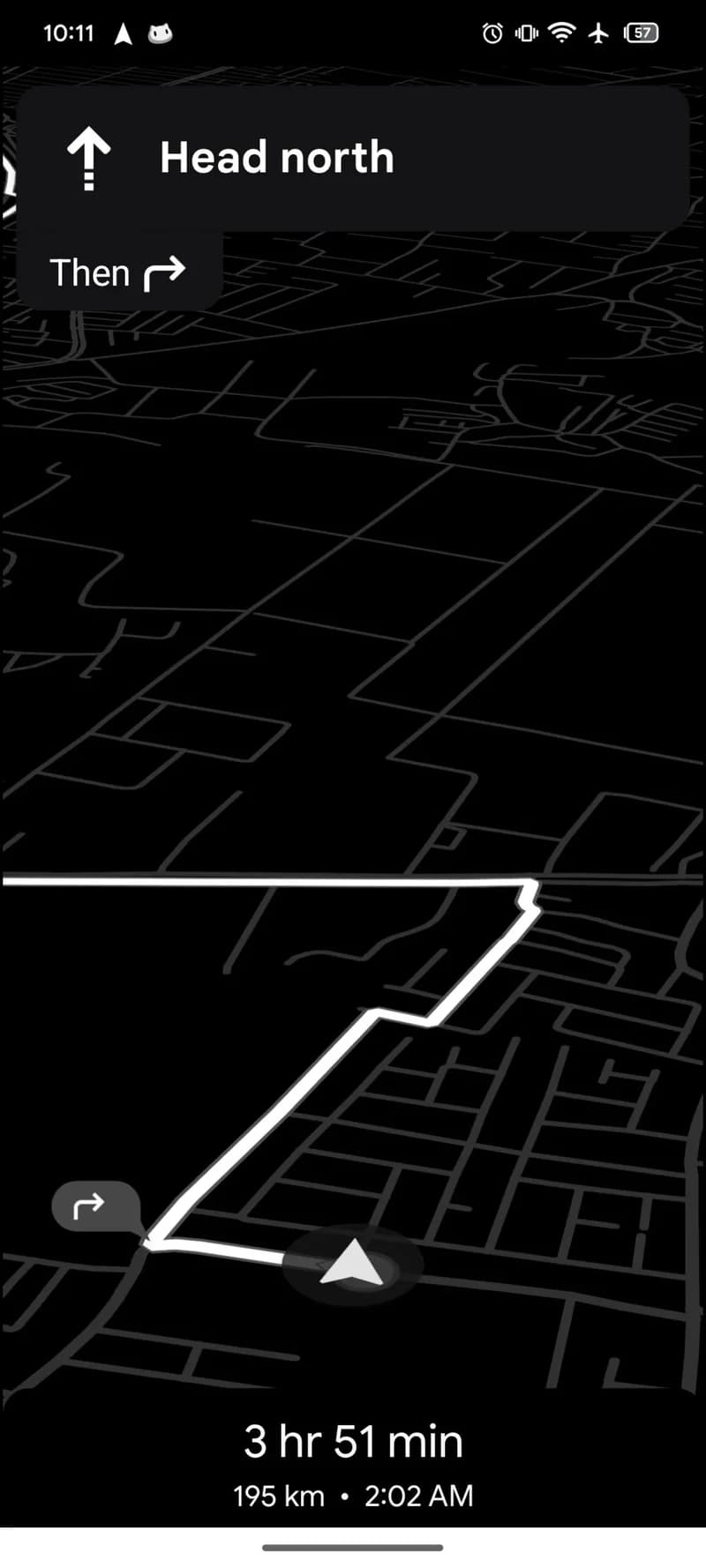
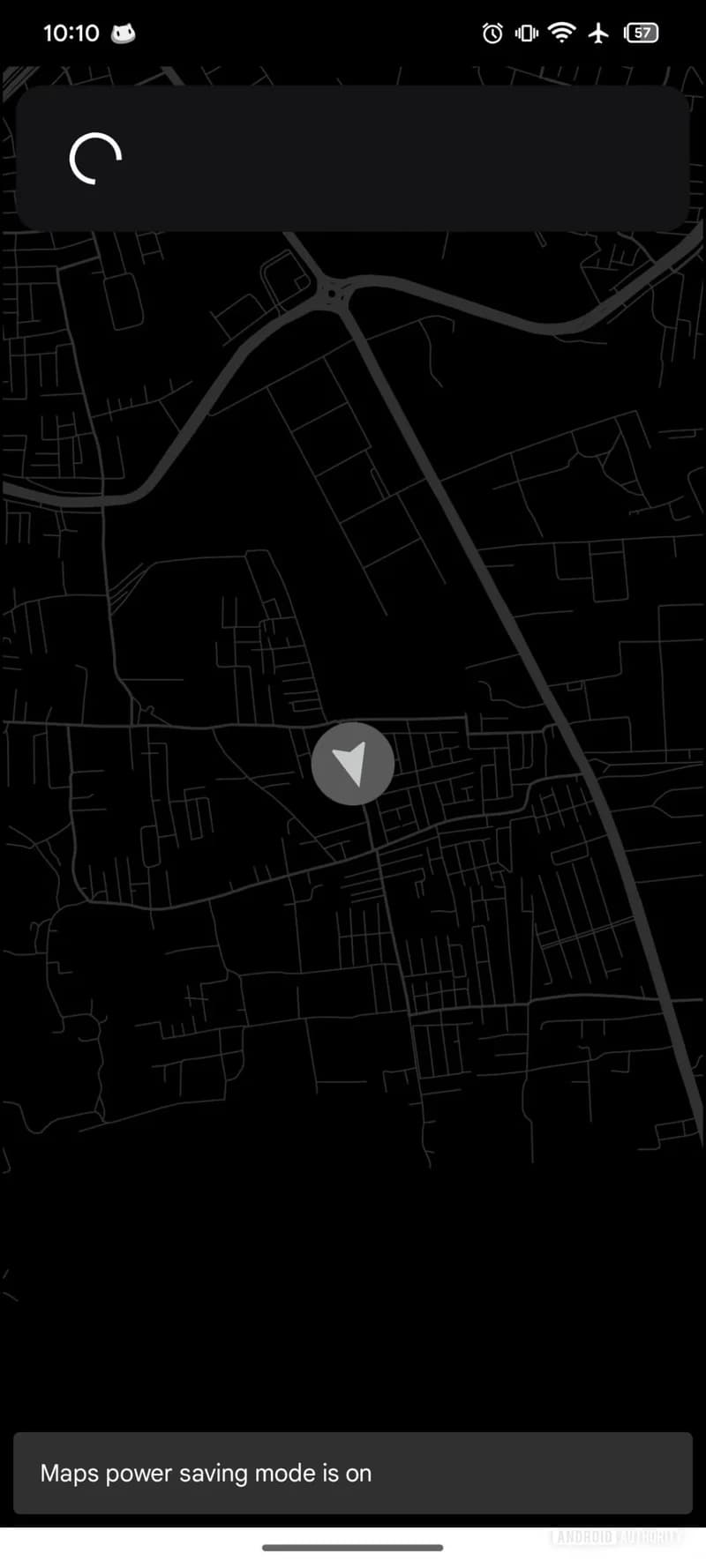
A new report suggests Google is borrowing a page from Apple to turn your AOD into a full-screen info hub.
For years, Android phones have featured a fairly basic Always-On Display (AOD) that uses minimal battery to show the time, notification icons, and weather. Google is now planning to introduce a new feature in Android 17 called "Min Mode" that will add interactivity.
This "Min Mode" will not replace the standard AOD, but instead act as an additional display setting. When a user locks their phone or sets it down while an app is running, "Min Mode" will allow that application to take over the entire screen with a simplified interface.
To conserve battery life, it will use the same low-power technology as the regular AOD, with reduced brightness and a very low refresh rate. Developers will need to create a special, streamlined version of their apps to support the feature.
Google Maps may be the first application to utilize this functionality. Users could potentially have turn-by-turn directions visible on their screen during a drive without significantly draining the battery by keeping the full app open.
This update would transform the AOD from a passive display to a more active tool. Apple has been exploring similar concepts with Live Activities on the lock screen and Standby Mode, which turns a charging iPhone into a smart display.
Google's "Min Mode" appears to be a response, offering similar functionality that extends beyond charging. It aims to make phones useful even when idle in a car mount or on a desk.
The report indicates that this will likely be a new developer API. It is easy to envision fitness applications showing live workout statistics, music apps displaying simple controls, or smart home apps providing a persistent status of your lights. The potential is significant, but dependent on developer adoption.
Android's AOD has felt somewhat stagnant, particularly compared to Apple's dynamic information displays. This development feels like Google is catching up with a platform-focused strategy.
Battery life is a primary concern. The success of "Min Mode" will depend on developers using it responsibly. A Google Maps display with monochrome, essential information seems ideal. However, if developers include too many colorful, animated elements, it could quickly drain batteries.
If Google establishes firm guidelines and developers prioritize practicality, this update could be valuable. There is cautious optimism that it will make the phone's "off" screen genuinely useful.