Apple appears to be leading the way in developing smarter earbuds.
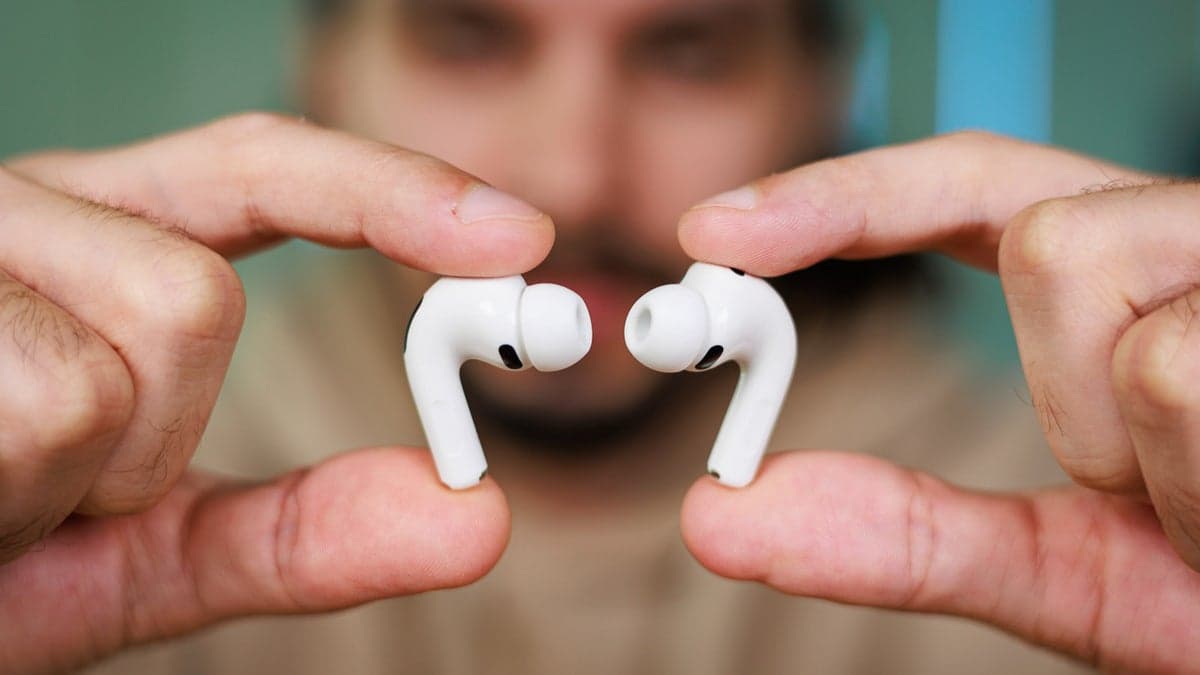
New contextual awareness features in AirPods are leaving Pixel Buds and Galaxy Buds feeling a bit behind.
The new sleep tracking feature for AirPods in iOS 26 indicates a shift in what defines a "smart" earbud, potentially leaving competitors behind.
The focus of premium earbud competition has been on active noise cancellation, sound quality, and battery life, with each model offering incremental improvements.
Apple is changing the game with iOS 26, turning AirPods into contextual computers, not just listening devices. This feature uses internal sensors and data from the Apple Watch to detect when you fall asleep.
When you're asleep, AirPods adjust settings, managing notifications and volume. This goes beyond manual controls, adapting to your state.
This poses challenges for competitors. While Samsung's Galaxy Buds 2 Pro and Google's Pixel Buds Pro are good devices with effective ANC and ecosystem integration, they are mostly reactive.
Samsung's Galaxy Buds require user input for most features, like switching modes or using the app. While they can detect conversations, this is different from understanding sleep.
Google's Pixel Buds Pro have "smart" features that seem basic. Adaptive Sound adjusts volume based on noise, and live translation requires manual activation. Despite Google's AI capabilities, its earbuds lack personal context, such as knowing if you're running, in a meeting, or sleeping.
This new AirPods feature shows a growing innovation gap. Other companies focus on hardware, while Apple creates a platform for personal computing and health.
By making sleep data collection easier, Apple encourages more users to gain insights into their health.
The hearables market has become somewhat repetitive, with similar products.
Many users are frustrated by the need to manually adjust settings or silence notifications when falling asleep. These issues show that devices are not truly smart.
Apple's new feature addresses this, reflecting the company's focus on user experience and challenging Google and Samsung. The key question is now about software intelligence rather than hardware specs.
This feature improves quality of life by seamlessly serving the user.