Apple has been ordered to pay Masimo hundreds of millions of dollars for infringing on their patents.
The verdict, according to a Masimo spokesman, is a significant win over Apple as it looks to protect its intellectual property.
Following a jury verdict, Apple and Masimo have presented opposing views. An Apple representative stated that Masimo has filed multiple lawsuits over six years, asserting over 25 patents, most of which have been invalidated. They added that the patent in this case, specific to older patient monitoring, expired in 2022. Masimo described the verdict as a victory in their efforts to protect their innovations and intellectual property.
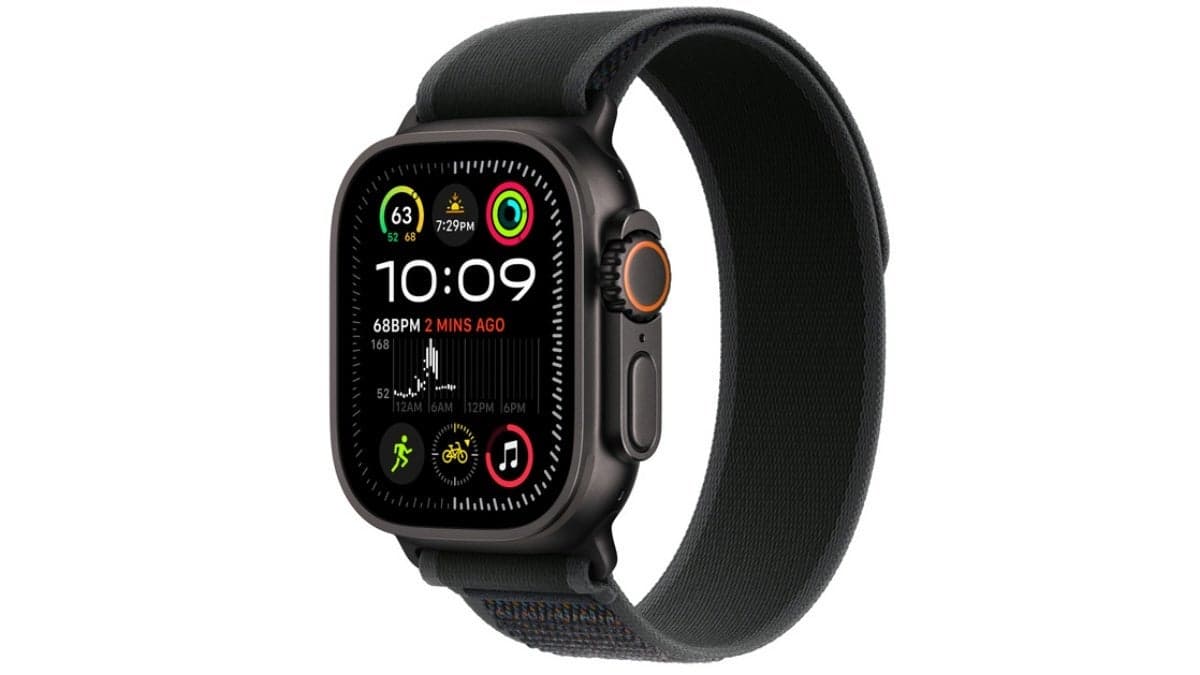
In January 2024, Apple had to disable the pulse oximeter on U.S. Apple Watch Series 9 and Ultra 2 models after the International Trade Commission (ITC) issued an import ban due to patent infringement.
Apple created a workaround that it believed would not infringe on Masimo's patents. This new software was released for the Apple Watch Series 9, Series 10, and Ultra 2 with watchOS 11.6.1 and iOS 18.6.1. The Apple Watch Series 11, released in September, included the revised pulse oximeter.
The original watches collected, calculated, and analyzed blood oxygen data on the device itself, displaying the percentage. The updated version collects data on the watch, but the paired iPhone handles analysis and calculations, displaying the blood oxygen percentage in the Health app.
The blood oxygen sensor measures the oxygen saturation in the blood, indicating how much oxygen red blood cells carry from the lungs. A healthy reading is typically between 95% and 100%, while readings below 90% may indicate a medical issue.
On Friday, the ITC announced a new hearing regarding the revised sensor, stating that the redesign was not part of the original investigation. The ITC will determine whether having the iPhone perform calculations and display results means Apple no longer infringes on Masimo's patents. Apple reported in August that U.S. Customs and Border Protection had approved the revision.
If the ITC finds infringement, Apple could disable the feature again, develop a non-infringing pulse oximeter, or license the technology from Masimo.