Apple is not planning to release an iPhone Air model every year.
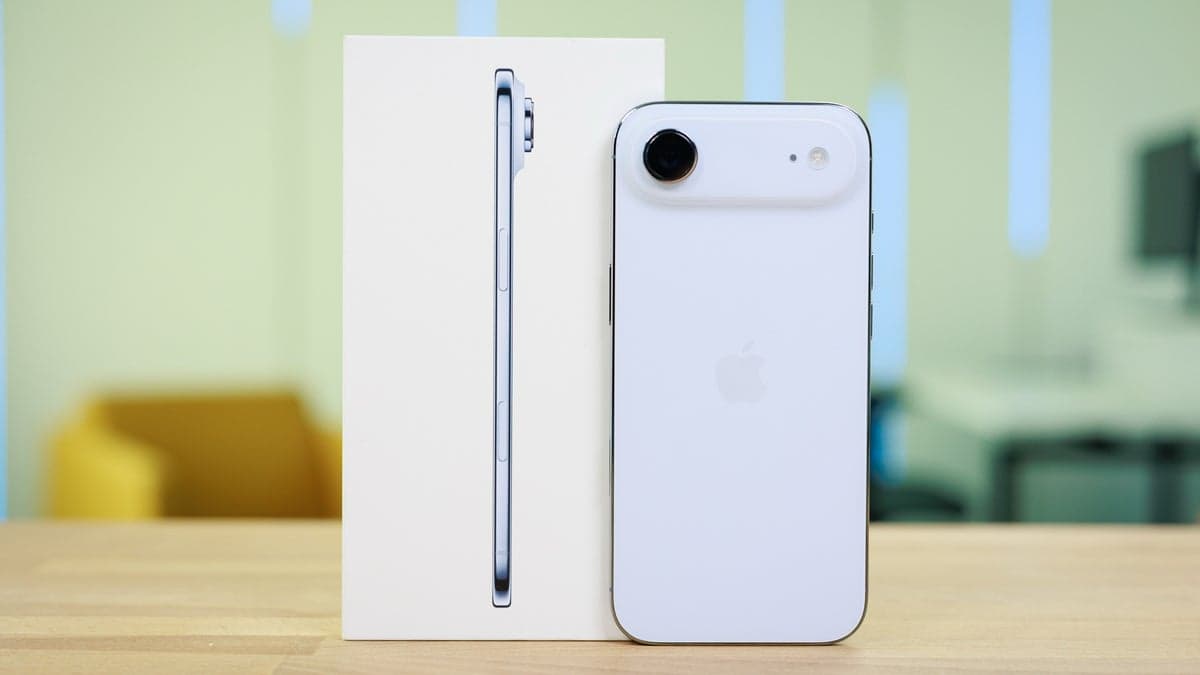
A new report reveals why Apple's "Air" branding is a deliberate signal that it isn't part of the annual iPhone 17 lineup.
When Apple introduced the iPhone Air alongside the iPhone 17 Pro, its naming seemed unusual. A new analysis by Mark Gurman indicates the name was chosen specifically to avoid associating the product with an annual update cycle, rather than calling it the "iPhone 17 Air."
This sheds light on previous speculation that a second-generation iPhone Air was "delayed" from 2026 to 2027 because of weak sales. However, Gurman asserts that the device was never planned for release next year, so there is no delay. The "Air" branding allows Apple to update the phone when it deems appropriate, similar to the iPhone SE.
If the iPhone Air isn't intended for a yearly release, what is its purpose? The report suggests the device serves as a "technology exercise" and a "prototype on the way to the foldable iPhone."
While Apple would not openly acknowledge it, the Air is reportedly a method of preparing Apple's supply chain. It uses similar materials, component miniaturization techniques, and internal parts required for Apple's first foldable device. The emphasis is on refining the manufacturing process, not achieving large sales numbers.
This explains Apple's limited promotion of the phone since its introduction. Sales are reportedly moderate, on par with the iPhone 16 Plus it replaced. Like the iPhone mini, it's a device that appealed to a segment of users, while most customers preferred the more functional Pro models.
In my opinion, this naming convention is a smart way for Apple to control expectations. Calling it the "iPhone 17 Air" would have immediately raised the expectation of an "iPhone 18 Air" in 2026. The "Air" name circumvents that pattern.
It enables Apple to test new technologies in public—such as extreme thinness and component miniaturization—without committing to adding a permanent new device to its primary product line. It presents the Air as a special project, instead of a new standard. Given that its actual goal may be to test the supply chain for the future foldable phone, this strategy makes complete sense.