Apple is reportedly moving closer to producing a foldable iPhone.
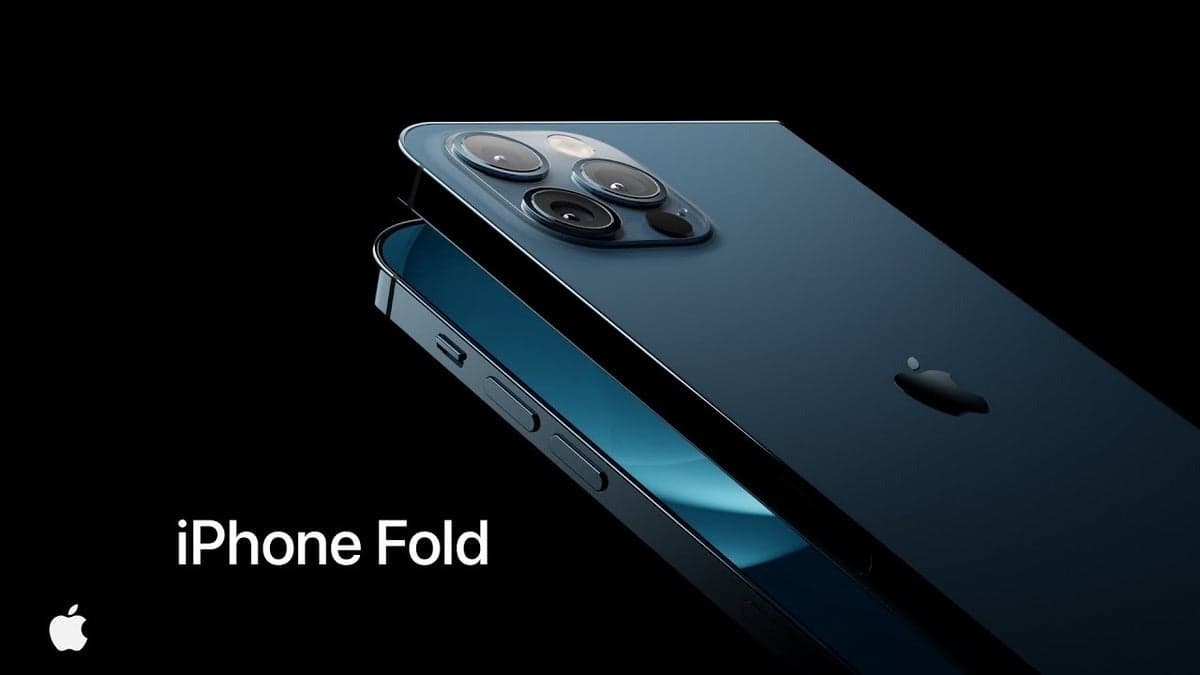
With key engineering decisions now locked in, Apple’s foldable strategy is entering its execution phase.
Apple is reportedly moving forward with its foldable iPhone project, having completed the vapor cooling chamber design and preparing for production.
A primary challenge in developing the foldable iPhone has been perfecting the display. Apple has reportedly rejected multiple hinge and panel designs over the past few years, seeking a crease-free display, an issue that Android phones have only partially addressed.
Reportedly, Apple has finalized the display design, advancing the device to the pre-production phase. At this point, the company is expected to make final adjustments before beginning mass manufacturing of the iPhone Fold.
Suppliers are reportedly ready. Component partners, including panel makers, hinge producers, and assembly partners, are awaiting Apple’s final approval.
The iPhone Fold is expected to feature the same vapor chamber cooling system used in the iPhone 17 Pro models. This addition should aid in managing heat during demanding tasks like gaming, multitasking, and running performance-intensive applications, areas where foldable phones often struggle.
Apple is said to be optimistic regarding the iPhone Fold's market potential, with initial projections estimating 7 to 9 million units shipped in the first year. These targets exceed the first-year goals for many Android foldables.
A wide network of Apple's partners are expected to gain including Samsung, TSMC, Foxconn, Shin Zu Shing, and Largan Precision, all involved in the foldable iPhone's production.
The phone is also expected to feature Apple's first 2nm chipset, the A20 Pro. The A20 and A20 Pro are both rumored to power the iPhone 18 series, offering improved performance and efficiency.
Apple's first foldable iPhone is anticipated to be its most ambitious product since the Apple Vision Pro's launch. While entering the foldable market later than competitors, Apple aims to provide its customer base with a new option, potentially attracting more users to iOS and the Apple ecosystem.
However, Apple faces considerable pressure to deliver an exceptional product with its initial foldable phone. The company must still determine how to price the device, ensure its durability, and position it relative to the iPhone 18 models.
Most estimates suggest a price range of $2,000 to $2,500 in the U.S., potentially making it the most expensive iPhone. Predictions vary, with UBS forecasting $1,800 to $2,000 and Fubon Research suggesting around $2,399.
According to Ming-Chi Kuo, the hinge is now estimated to cost $70 to $80, down from initial estimates of over $100, due to design improvements and Foxconn's manufacturing capabilities. It remains to be seen whether this cost reduction will lower the final price or increase Apple's profit margins.