Garmin launches Edge 1060 bike computer with voice control, alongside new Edge Explore computers and Tacx Nēra smart trainer - BikeRadar
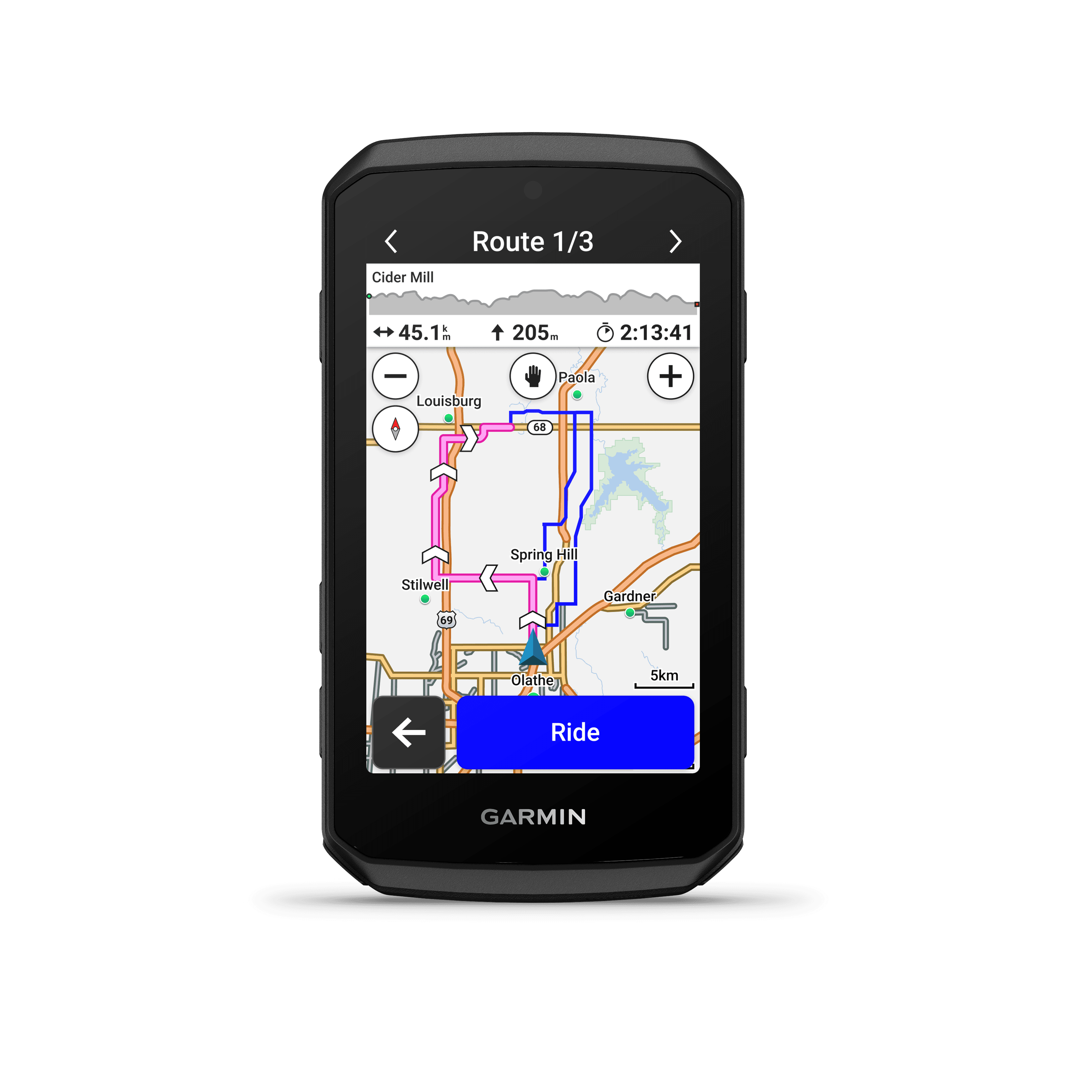
Alongside this, Garmin has launched the Edge Explore 3 and Edge Explore 3 Plus. Garmin has also expanded the navigation features, versus the Edge 1050. The Edge Explore 3 is available now for £349.99 / €399.99, while the Edge Explore 3 Plus costs £429.99 / €499.99.
Garmin has launched the Edge 1060, a new flagship cycling computer with voice control, updated navigation tools and a greater focus on keeping riders connected while on the move.
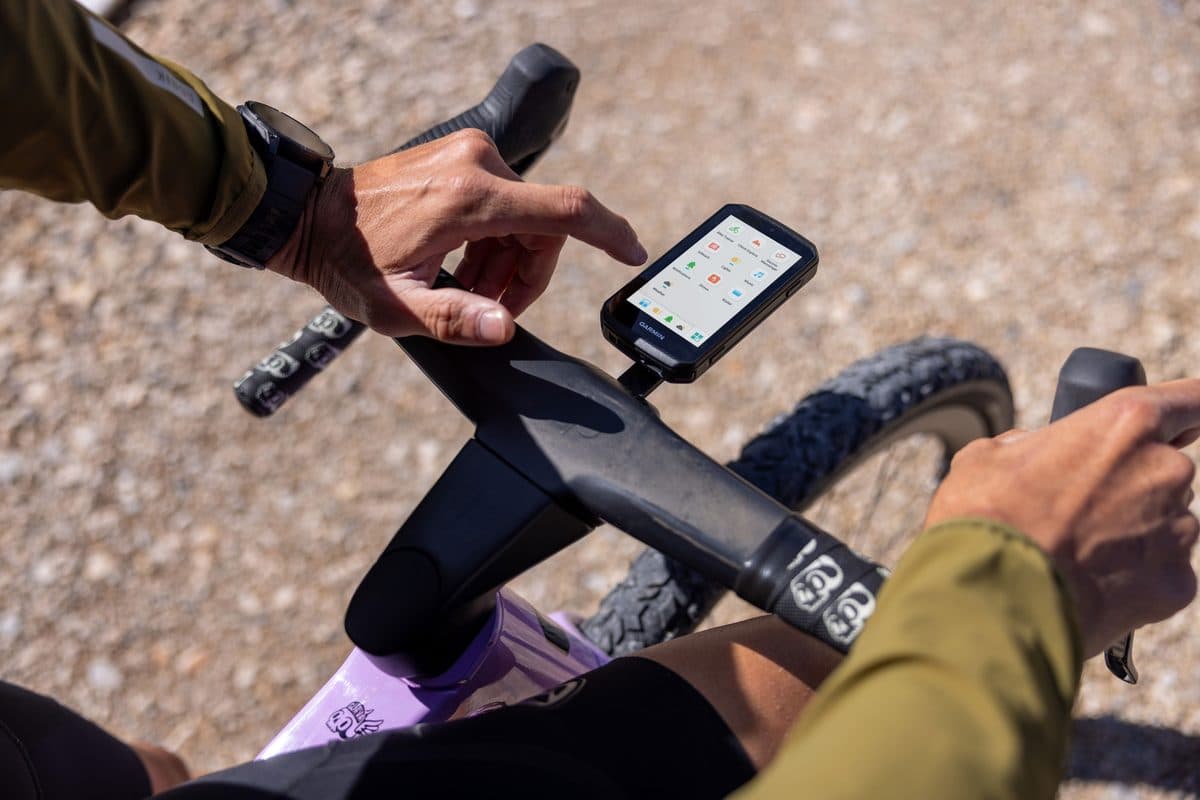
The new computer features a built-in microphone to enable riders to access ride data, change screens, report road hazards and request routes using voice prompts, removing the need to take hands off their handlebars or search for a hood button.
It has also introduced route previews, road closure alerts and updated GroupRide features, alongside Garmin’s established training metrics.
Alongside this, Garmin has launched the Edge Explore 3 and Edge Explore 3 Plus. Like the Explore predecessors, Garmin says these two bike computers focus on navigation, ‘essential’ ride data and safety features, with the Plus version adding voice control and messaging through an integrated microphone.
Indoor training sibling company Tacx has also launched the Nēra, a new indoor smart trainer with multidirectional movement, claimed +/-1% power and cadence accuracy, and support for simulated gradients up to 20%. It will be available with either a preinstalled cassette or a Zwift Cog and Click for virtual shifting.
All three products are available now. The Edge 1060 costs £699.99 / €799.99, the Edge Explore 3 starts at £349.99 / €399.99, rising to £429.99 / €499.99, and the Tacx Nēra is priced at £859.99 / €999.99. US prices are still to be confirmed.
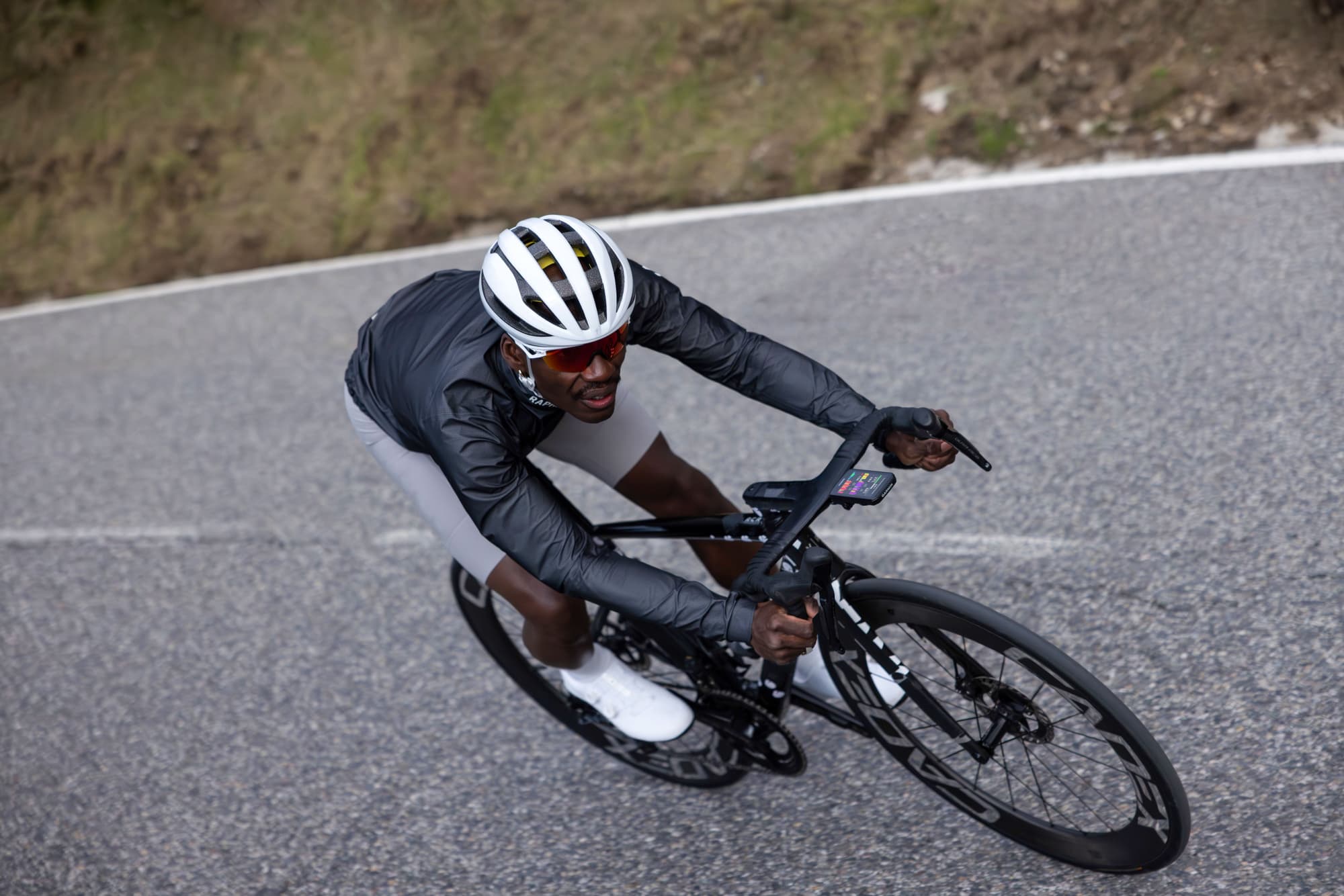
Garmin’s Edge 1060 is a new premium cycling computer built around a dual touchscreen and physical button interface, just like its Edge 1050 predecessor, and voice control.
The latter is designed to give riders access to navigation, training information and connected features while keeping their hands on the handlebars.
Garmin says voice commands are activated with the prompt “Okay, Garmin”, and riders can then ask the head unit to read out data, such as their heart rate or average power output, request a route to a specified location, report a pothole or change the information displayed on screen.
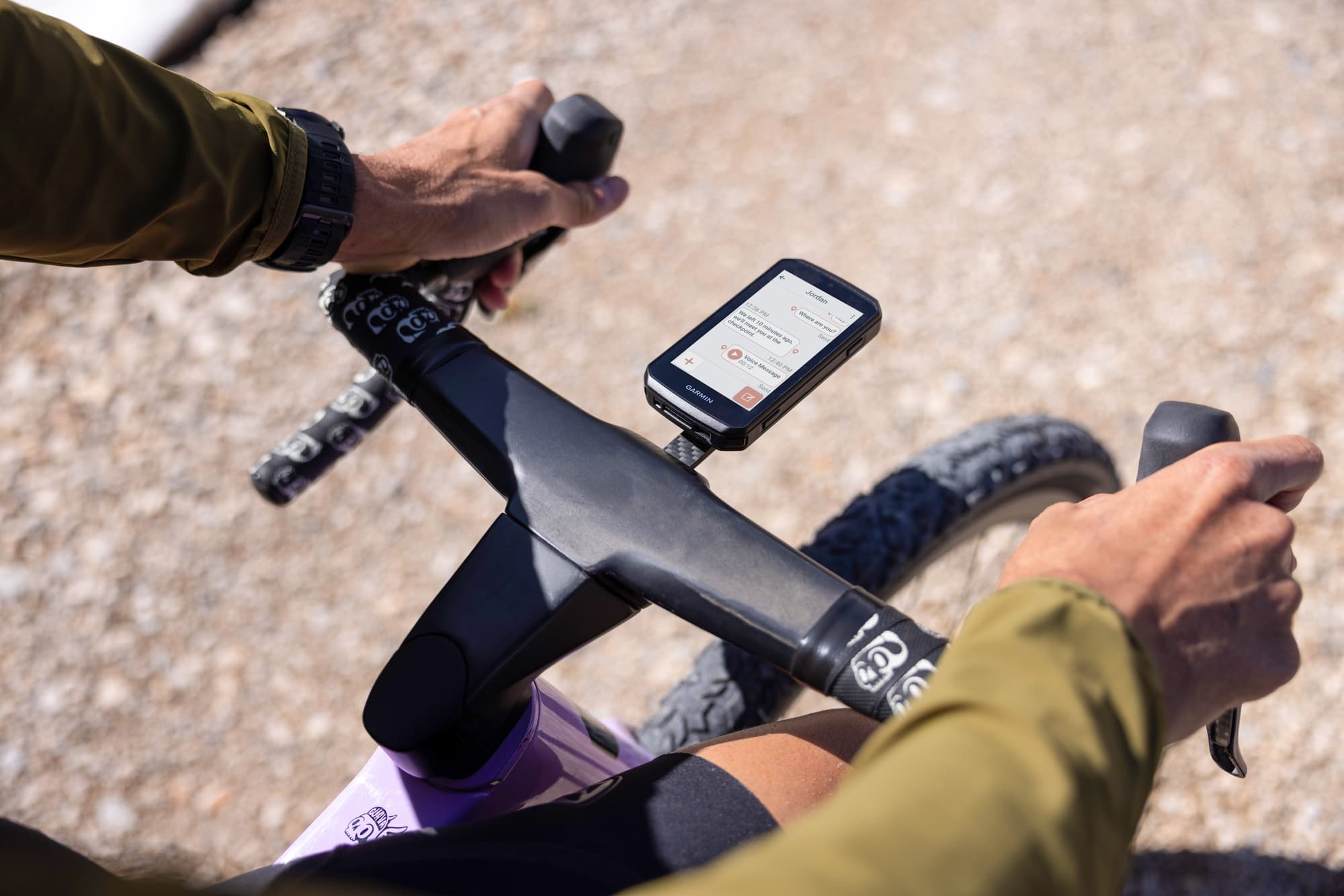
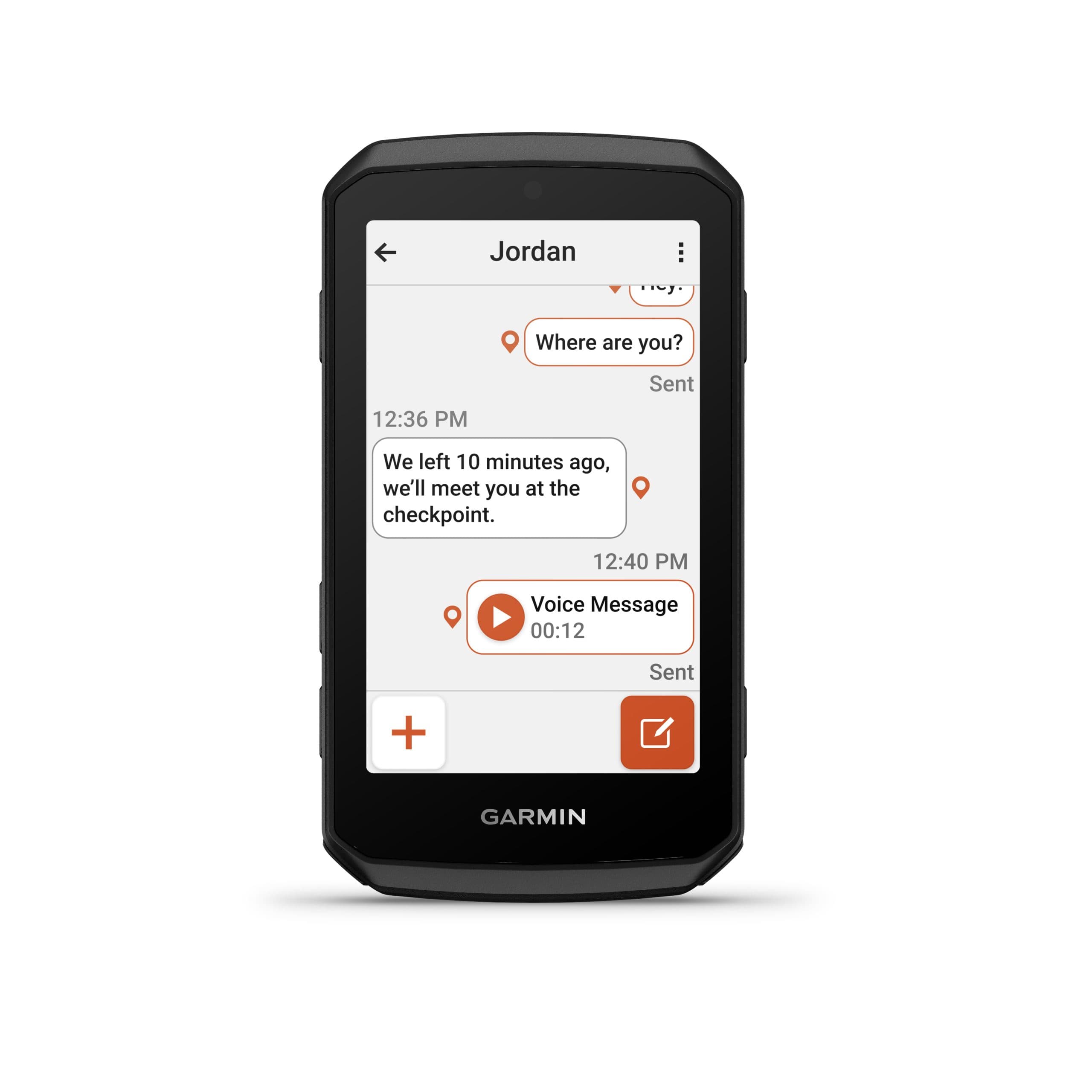
The integrated speaker can read out ride statistics, navigation instructions and incoming voice messages from other users of the Garmin Messenger app.
With a connected smartphone, Garmin claims riders can also send voice messages directly from the computer. As with the 1050, the speaker can also serve as a bell.
Garmin has also expanded the navigation features, versus the Edge 1050. A new ‘Route Options’ function presents alternative routes to a destination, with choices informed by factors including ride time, elevation and bike type.
An expanded ‘Route Previews’ function now provides information about distance, estimated ride time, traffic and reported hazards before leaving home, assuming the computer is connected to a phone with a data connection, or WiFi.
'Free Flow Routing' is a new under-the-skin feature designed to offer reroutes with fewer stops and traffic junctions.
Garmin says a new ‘Up Ahead’ feature enables riders to prioritise points of interest such as coffee shops or toilets registered on its map data, while new road closure alerts have been integrated alongside existing hazard reports (until now these have covered potholes, obstructions and aggressive animals).
Importantly, a tangible improvement sees riders now able to report these hazards using voice commands – avoiding the need to take a hand of the handlebar to input them.
Garmin’s deep range of training features are retained, including personalised training plans that adapt to performance, recovery and route demands. As before, riders can also automatically sync compatible TrainingPeaks workouts to the computer.
The brand’s GroupRide function has been updated with a new feature that can help riders join a nearby active ride. Once connected, participants can access live locations, in-ride messaging, incident detection alerts and competitions with awards.
Other updates include an interactive workout screen, a newly customisable home screen and reverse charging, which Garmin says can supply power to compatible devices such as a front bike light or smartphone.
The Edge 1060 has a claimed battery life of up to 20 hours in what Garmin describes as “the most demanding use cases”, and up to 60 hours in battery saver mode.
The new computer is available now for £699.99 / €799.99.
While the Edge 1060 represents the new flagship computer with all of Garmin’s latest ‘performance’ metrics and features, Garmin claims the Edge Explore 3 and Edge Explore 3 Plus computers are aimed at riders who prefer a simpler feature set.
Garmin says these new computers include the essential navigation and ride information most riders will need.
Both Edge Explore 3 computers feature a touchscreen display with start/stop and power buttons, maps, turn-by-turn directions and route planning.
Where the Edge Explore 3 and Edge Explore 3 Plus materially differ is the inclusion of a built-in microphone and speaker for the latter.
As with the Edge 1060, this enables voice control and messaging. Similarly, users can request a new route, ask for fitness statistics, change screens and report hazards hands-free.
The speaker can also read out navigation prompts, workout instructions and incoming messages, as well as sounding as a bike bell.
Some of the new navigation features included in the Edge 1060 are also present in the Edge Explore 3 computers, including alternative routes and the ‘Up Ahead’ feature, which highlights preferred points of interest.
They also support road hazard alerts, and the aforementioned ‘Free Flow Routing’ function. Pin-drop navigation is also included, where riders can send a location from Google Maps or Apple Maps on a compatible smartphone to the computer to navigate to.
Established safety features include LiveTrack location sharing and incident detection, real-time weather alerts and compatibility with rearview radar systems and smart lights. Garmin says there’s built-in integration for its Varia lights, but any light connecting via ANT+ or Bluetooth should also be compatible.
The computers can also connect to compatible ebike systems, including those from Bosch and Shimano, to display information such as battery status and assistance level.
While some of the onboard technical training features are removed, the Edge Explore 3 computers can still deliver adaptive training plans when paired with a compatible Garmin smartwatch or heart-rate monitor.
Garmin also says commuters can use the dedicated commuter ride profile to track the carbon savings associated with their journeys, versus using a car or other method of transport.
Battery life is claimed to be up to 16 hours for the Edge Explore 3 and 14 hours for the Explore 3 Plus in the “most demanding use cases”. Both offer up to 48 hours in battery saver mode.
The Edge Explore 3 is available now for £349.99 / €399.99, while the Edge Explore 3 Plus costs £429.99 / €499.99.
The Tacx Nēra is a new indoor smart trainer designed to combine accurate power measurement with a more natural riding feel.
It features built-in ‘motion pods’, which are said to enable forward, backward and side-to-side movement, intended to make indoor riding feel more realistic and comfortable.
Our smart trainer expert Simon von Bromley has had mixed experiences with Tacx’s previous attempts to improve ride feel via a moving smart trainer, but with more planes of movement, that might now be addressed. Garmin says the movement can help improve rider comfort, too.
Garmin claims the Nēra can deliver power and cadence accuracy within 1%, while being able to simulate gradients of up to 20% and handle sprint efforts of up to 2,200 watts.
The Nēra comes with a pre-installed cassette for straightforward setup, or in a Zwift-ready configuration with a pre-installed Zwift Cog and Click. The latter enables virtual shifting in Zwift and Rouvy.
‘Race mode’ is included, which increases the data transfer rate via built-in WiFi, resulting in faster resistance changes in response to attacks and breakaways during virtual racing. This is a feature Simon noted has been missing from Tacx’s Neo flagship trainers for years without buying an adaptor dongle.
Alongside compatibility with Zwift and Rouvy, riders can also use the Tacx Training app if preferred, which includes a library of free workouts. Tacx says a premium subscription adds access to virtual rides on real-world courses, challenges and badges, and the app can also sync with Garmin’s adaptive coaching sessions.
The trainer is compatible with Garmin Edge cycling computers and smartwatches, and forms part of the wider Garmin ecosystem.
The Nēra is also compatible with the Tacx Alpine hill climb and steering simulator, and can be collapsed and carried with foldable legs and a built-in carry handle.
Both the standard Tacx Nēra and the Tacx Nēra with Cog and Click are available now for £859.99 / €999.99.