iOS 27 Apple Health App Redesign: Every New Feature Coming in 2026 - MacRumors
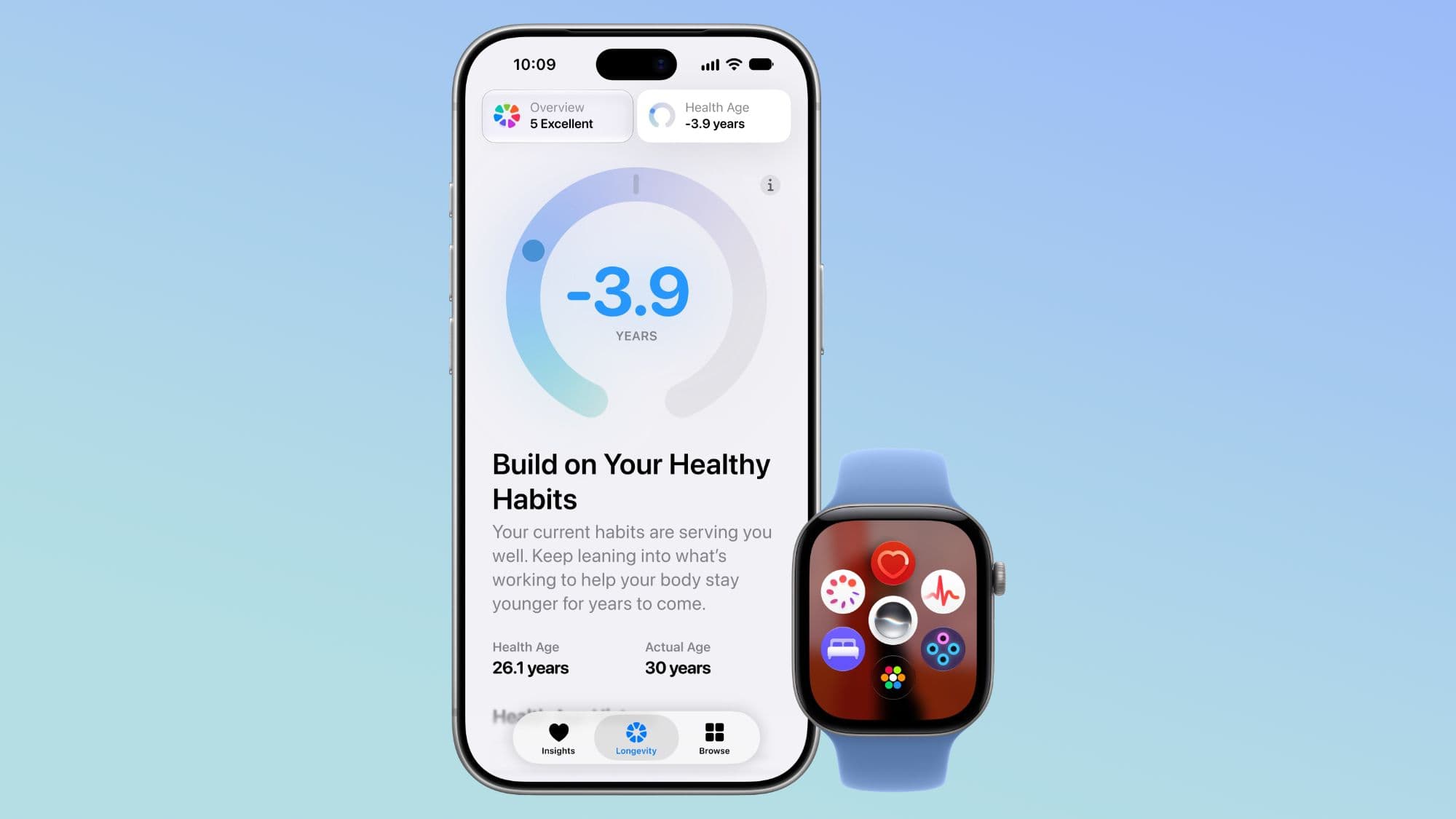
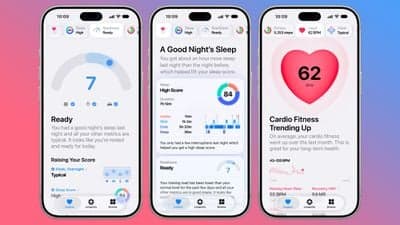

Apple announced the Health app changes at yesterday's iPhone event. The Health app is getting an update because Apple overhauled the sensors in the Apple Watch Series 12 and Apple Watch Ultra 4. All of the data collected is sent to the Health app on iPhone.
Apple is planning a major redesign of the Health app on iPhone and iPad, with a long list of new features set to be added. Apple announced the Health app changes at yesterday's iPhone event.
The Health app is getting an update because Apple overhauled the sensors in the Apple Watch Series 12 and Apple Watch Ultra 4. There's a Health Sensing System with three main improvements: increased electrode surface area for better skin contact during ECG readings, redesigned photodiodes arranged in a ring to capture light more efficiently for optical sensing, and power-efficient green LEDs for capturing continuous heart rate data.
The new watches take heart rate readings every five seconds throughout the day, and more frequently measure heart rate variability (HRV). All of the data collected is sent to the Health app on iPhone. Apple says in a head-to-head study against other wearables using an ECG chest strap as reference, the new Apple Watch had the most accurate heart rate sensing.
The Health app will turn the data and metrics that it collects into personalized guidance thanks to Apple Intelligence integration. There are several new sections coming to the Health app.
Health Age and Longevity can be more useful with lab results. Users can upload lab results manually or sync medical records.
Apple has also partnered with Quest to offer U.S. users an option to buy a full bloodwork panel that covers more than 50 biomarkers. The test is priced at $119, and users will be able to buy it right in the Health app. It'll require a visit to a Quest lab location, and results are combined with data from the Apple Watch and analyzed on iPhone. Apple says users will get videos from clinical experts related to their results.
According to Quest, the panel delivers preventive health insights and includes biomarkers for assessing cardiometabolic health and organ function. It also includes biometric readings that measure blood pressure, height, weight, and waist and hip circumferences. Since the test isn't available in the Health app yet, a full list of what's included isn't known.
Apple competitor Oura offers a similar testing option through Quest. The $99 test checks more than 50 biomarkers, and Oura runs discounts.
Quest has approximately 2,000 locations across the U.S. Results appear in the Health app shortly after testing.
Apple is adding new at-home health assessments you can complete, such as a VO2 max test. The test uses the iPhone camera to track your movements as you follow moves and instructions from a trainer. The tests offer real-time audio and visual feedback.
There are in-depth physical assessments for measuring flexibility, strength, balance, and movement mechanics in addition to VO2 max.
Apple says the tests are useful to see how well your body is moving or to track your progress recovering from an injury. Tests run on device with no video recorded or stored, and users get an exercise plan after completing a test.
Apple is adding perimenopause and menopause support to Cycle Tracking in the Health app.
Apple Watch users with an Apple Intelligence-capable iPhone will get the updated Health app when it launches, but readiness, more frequent heart rate readings, and more frequent HRV readings require a Series 12 or Ultra 4.
Apple says the new Health app is coming in late 2026, but the company did not give a specific launch date. It will be available in U.S. English at launch, with more languages to follow.