NFL coaches are considering using AI to help with play calling this season.
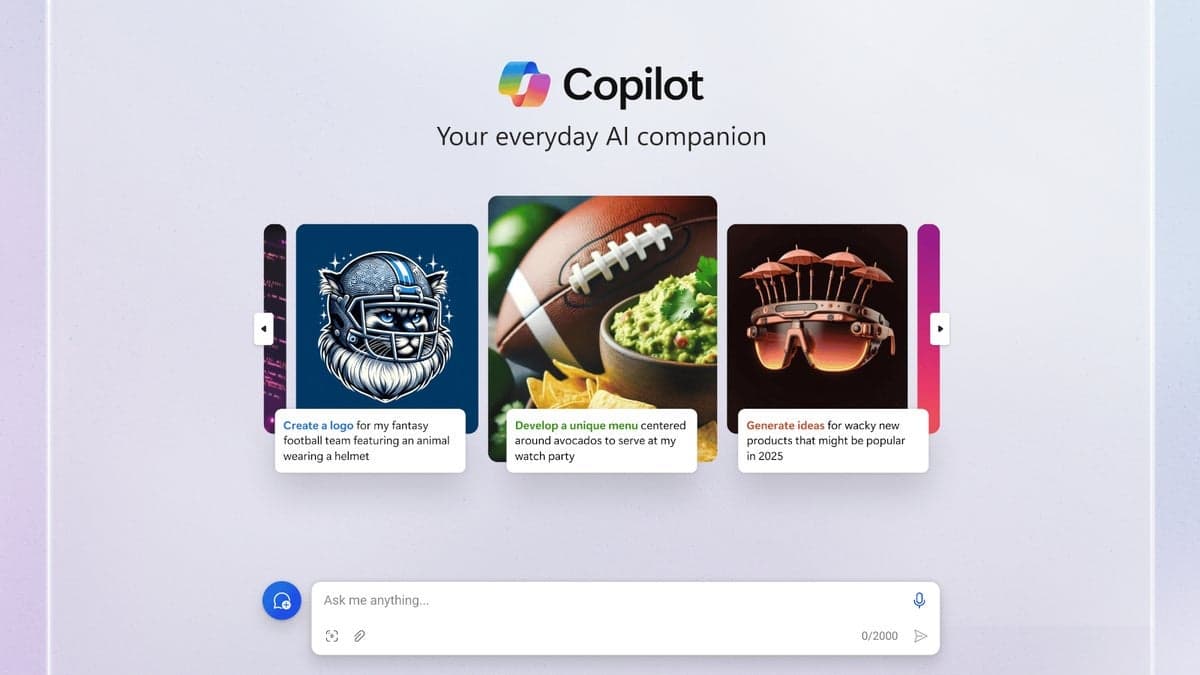
Microsoft's Copilot could be asked whether a pass or the draw should be called on 3rd and 11.
For those concerned about AI's impact on jobs, the National Football League (NFL) may see head coaches using AI to assist with play-calling. The NFL's partnership with Microsoft, which began in 2014, provided teams with Surface Pro tablets. These replaced Polaroid cameras that coaches used to photograph opponent formations from the sidelines and press box.
Coaches would review the Polaroids to identify vulnerabilities. The Surface Pro debuted during the 2014 Hall of Fame game between the New York Giants and Buffalo Bills. Over the years, the Surface Pro has been updated, with one famously damaged by former New England coach Bill Belichick during an AFC Championship game against the Kansas City Chiefs. Microsoft's Surface chief Panos Panay reacted humorously to the incident on X.
Recently, Microsoft and the NFL expanded their agreement, distributing 2,500 Surface Pro tablets to NFL teams. These tablets come with Copilot, Microsoft's AI assistant powered by the Prometheus model. This model combines OpenAI's GPT-4, GPT-4 Turbo, and GPT-4o with Bing search results.
Copilot will enable coaches to receive real-time analysis of game data. Play-callers and defensive coordinators can leverage AI to identify patterns that could benefit their team. For example, coaches can ask Copilot about an opponent's typical defensive strategy on third down based on in-game patterns.
Teams could also use AI to select plays from their playbook that are likely to succeed against the opponent's defensive patterns. This could transform the NFL, favoring teams that are technologically adept. Teams may need to hire AI specialists to analyze data and identify exploitable weaknesses.
Since both teams have access to the same data, hardware, and software, the key will be effectively using AI. It's conceivable that the next Super Bowl champion could win due to their AI proficiency rather than on-field talent.
If successful in the NFL, other sports could adopt AI. However, defining success with AI in the NFL is challenging. Would it result in closer games or greater league parity? AI might be more effective as a pre-game planning tool, given that many patterns and statistics are already calculated by professional teams across sports.
Coaches may be wary of AI's tendency to "hallucinate." When lacking sufficient data, AI can produce incorrect answers. A losing Super Bowl coach might attribute the defeat to AI hallucination.