Pixel 10's most ambitious video feature remains frustrating to use.
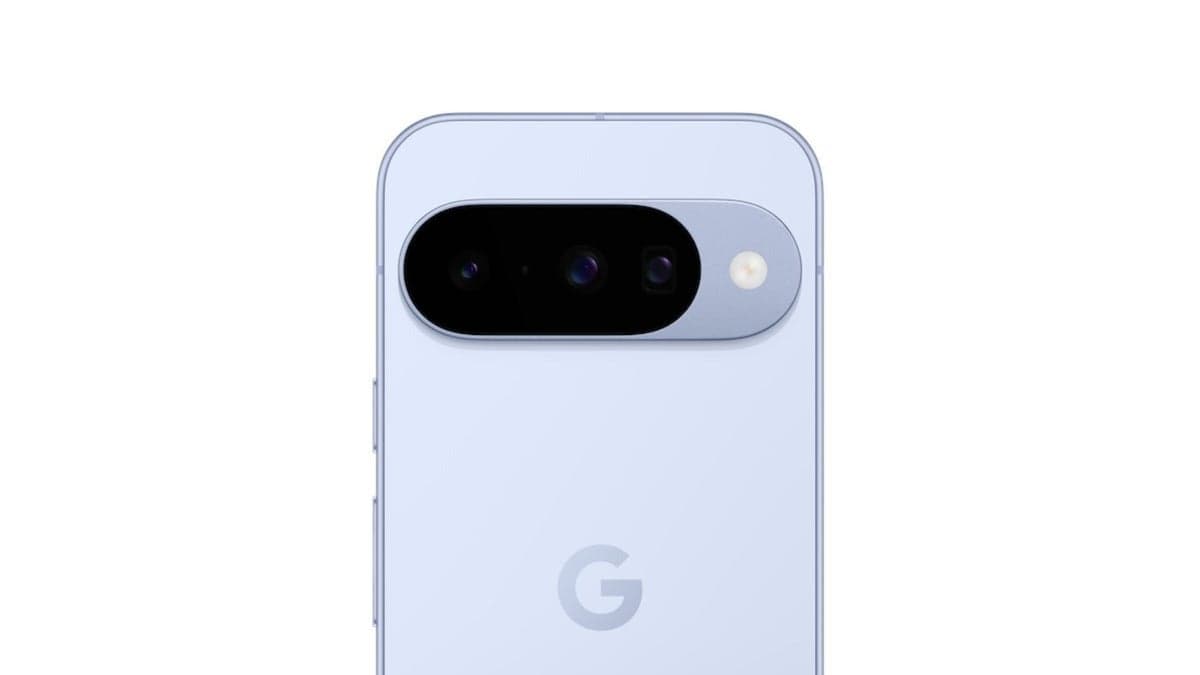
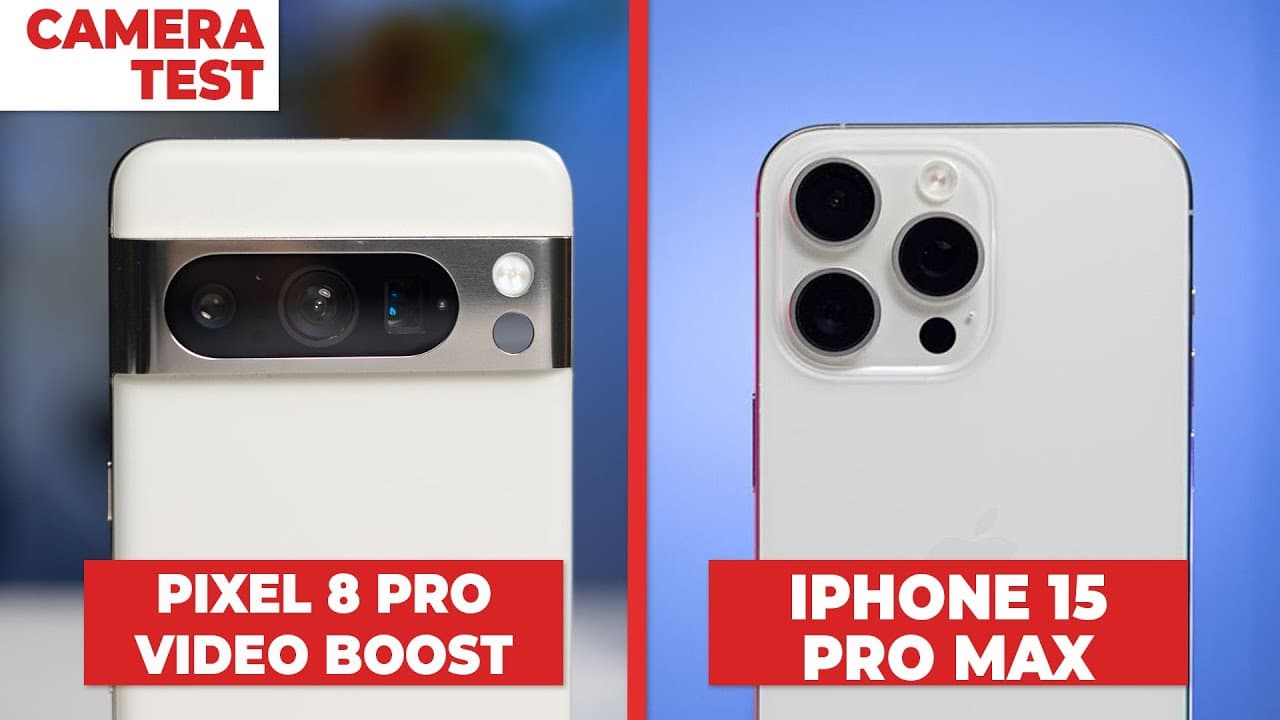
The Pixel 10 proves Google still hasn’t solved its video problem.
Pixels take amazing photos instantly, but video quality has consistently lagged behind, a long-standing issue for Google's phones.
The Pixel 10 series is being promoted as having the best camera system, as highlighted during Google's August 20 event. However, this claim is questionable due to the company's continued reliance on Video Boost, a feature that has been problematic since its introduction.
Video Boost, initially launched with the Pixel 8 Pro, aimed to bring Google's AI capabilities to video, similar to how HDR+ enhanced Pixel photos. Yet, after two years, the Pixel 10 family still excels in still photography, and its AI zoom reaches 100x, although with debatable results. Google is still depending on Video Boost for video enhancements, but the feature has not lived up to its initial promises.
Google initially presented Video Boost as a significant advancement in smartphone video recording. By uploading footage to Google's cloud servers, AI models would enhance the video to appear professionally shot by reducing noise, improving shadows, and preserving highlights. Video Boost was also intended to enable "Night Sight" mode for significantly better nighttime video.
The expectation was that Video Boost would enhance footage in various conditions, such as dimly lit bars, busy streets at sunset, or harsh indoor lighting, to a level unmatched by other phones, at least theoretically.
However, testing in late 2023 revealed issues. On the Pixel 8 Pro, processing a 30-second clip with Video Boost took several hours. A small 90 MB video would increase to 1.2 GB, rapidly consuming storage space.
Additionally, enhanced clips sometimes failed to transfer correctly, with colors being lost when uploaded to Drive or YouTube. Despite being a key feature, it only worked with the main camera, not the ultra-wide or telephoto lenses, where it could have been more beneficial.
Interestingly, Video Boost performed well in low-light conditions, producing brighter, cleaner, and less noisy footage. However, in good lighting, it often produced unnatural results, with overly bright shadows and highlights, and oversaturated colors, particularly in skin tones.
The initial assessment was that while Video Boost was a good idea, its execution was incomplete and awkward.
Now, with the Pixel 10, Video Boost should be more efficient and integrated, especially with the Tensor G5 chip designed for on-device AI processing. Yet, video performance still falls short.
In a recent Pixel 10 Pro XL camera review, Dave2D noted ongoing problems: low-light video is still inferior to the iPhone, dynamic range struggles with bright light sources, and Video Boost still requires cloud processing, extending processing times to almost 20 hours per clip.
This is not the instant experience expected from a flagship phone in 2025. The purpose of a smartphone camera is to quickly capture and share moments. Waiting a full day to see a video is not ideal.
It reflects poorly on an expensive flagship phone to require 20 hours to match the video quality of competitors that do not need extra processing.
This issue is especially noticeable since the Pixel is marketed as a camera-focused smartphone. Google aims for the Pixel 10 to be a reliable device for both content creators and everyday users. Unfortunately, the Pixel remains inadequate for video, which is an increasingly important form of communication.
After three iterations, Video Boost still feels like a beta feature. Rather than fixing the Pixel's video issues, it emphasizes the difference between Google's vision and the current capabilities of its phones.
Unless Video Boost, or its benefits, is integrated directly into recording, supports all cameras, and avoids large files and cloud processing, the Pixel will remain better for photography than videography. This is a significant problem in 2025, as video is now a top priority for many users.
However, the feature is not necessarily a failure. Google still has work to do. If future chips, like the Tensor G6 or G7, can fully integrate Video Boost on-device, it could be truly transformative. Google appears to be moving in that direction, but for now, serious videographers will continue to seek alternatives.
"Iconic Phones: Revolution at Your Fingertips," a new coffee table book for tech enthusiasts, will be released this fall. It explores the technological advancements of the 21st century.