Pixel phones' Motion Photos feature should be improved.
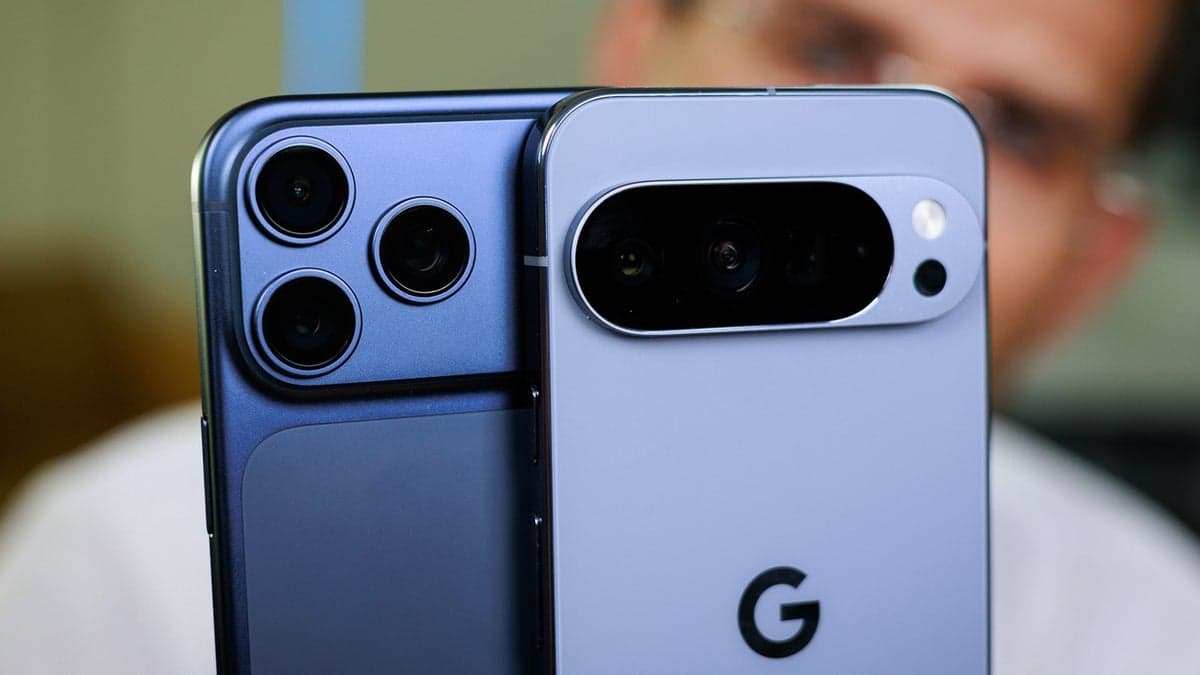
The one feature that turns photos into memories is kind of broken on Pixel phones.
Although the feature has been available on smartphones for over a decade, one prominent brand is still struggling to implement it effectively.
A look at the history of motion/live photos:
Android devices initially introduced the concept, but Apple ultimately popularized and refined it.
The concept debuted in early 2013 with the HTC One. This phone featured an aluminum design, an innovative UltraPixel camera, and an early version of live photos called "Zoes." The name was not well-received, and the feature was not user-friendly. The implementation was flawed; users had to enable a specific camera mode, resulting in 20 "Zoes" being saved for each photo, which quickly consumed storage space. While original, the feature felt incomplete.
Samsung then incorporated the idea. The company was known for including numerous features in its phones, which sometimes made them feel disorganized.
The Galaxy Note 3 included Samsung's first attempt at the feature, named "Animated Photo."
However, the execution was typical of Samsung at the time.
Users had to locate the feature within numerous modes, record a brief video, and then manually select which parts to animate or freeze. It required extensive editing each time.
Samsung's approach was slightly different, allowing users to animate certain areas of the image while keeping the rest static, similar to creating GIFs within the camera app.
The problem was that it required too much effort for a feature meant to be simple.
Apple's "Live Photos," launched in 2015 with the iPhone 6s, marked a turning point.
When enabled, the mode captured 1.5 seconds of video before and after the photo. It was smoothly integrated into the Photos app and also worked with wallpapers and the lock screen. Haptic touch made activation simple.
The feature operated seamlessly. It eliminated the need to switch to a different mode before taking a picture. Instead, users simply captured a standard photo.
Apple also addressed the smaller aspects, such as synchronizing the shutter sound with the clip's midpoint. Live Photos introduced subtle motion instead of a jerky animation, complete with audio.
Live Photos were integrated deeply into the iOS ecosystem, allowing users to browse through the motion in the Photos app, use them as Live Wallpapers, and share them via iCloud and AirDrop.
The primary issue today:
Despite a decade passing, Google has yet to perfect the concept.
In comparisons of camera performance across flagship phones, the Pixel performs poorly. Motion photos exhibit psychedelic distortions and awkward looping animations, resulting in a disturbing effect.
The difference between this and the enjoyable memories captured with Live Photos on iPhones is significant.
This is unexpected, given Google's reputation for computational photography and features such as HDR+, Night Sight, and Photo Unblur.
Distorted Warping and Stretching
The animation itself is the most obvious problem. Instead of a subtle memory, playing a Motion Photo on a Pixel often results in an uncanny experience.
Common issues include:
Facial distortion: Faces and features are stretched.
Background instability: Objects warp and surfaces bend strangely.
Sudden flickering: The exposure changes between frames, causing flickering.
These flaws undermine the feature's goal of preserving memories.
Despite years of advancements in computational photography, Google has struggled with this simple addition of bringing still images to life.
Next, it was Samsung's turn to join the party. The company was known for including numerous features in its phones, which sometimes made them feel disorganized.
The Galaxy Note 3 included Samsung's first attempt at the feature, named "Animated Photo."
However, the execution was typical of Samsung at the time.
Users had to locate the feature within numerous modes, record a brief video, and then manually select which parts to animate or freeze. It required extensive editing each time.
Samsung's approach was slightly different, allowing users to animate certain areas of the image while keeping the rest static, similar to creating GIFs within the camera app.
The problem was that it required too much effort for a feature meant to be simple.
Apple's "Live Photos," launched in 2015 with the iPhone 6s, marked a turning point.
When enabled, the mode captured 1.5 seconds of video before and after the photo. It was smoothly integrated into the Photos app and also worked with wallpapers and the lock screen. Haptic touch made activation simple.
The feature operated seamlessly. It eliminated the need to switch to a different mode before taking a picture. Instead, users simply captured a standard photo.
Apple also addressed the smaller aspects, such as synchronizing the shutter sound with the clip's midpoint. Live Photos introduced subtle motion instead of a jerky animation, complete with audio.
Live Photos were integrated deeply into the iOS ecosystem, allowing users to browse through the motion in the Photos app, use them as Live Wallpapers, and share them via iCloud and AirDrop.
Despite a decade passing, Google has yet to perfect the concept.
In comparisons of camera performance across flagship phones, the Pixel performs poorly. Motion photos exhibit psychedelic distortions and awkward looping animations, resulting in a disturbing effect.
The difference between this and the enjoyable memories captured with Live Photos on iPhones is significant.
This is unexpected, given Google's reputation for computational photography and features such as HDR+, Night Sight, and Photo Unblur.
Distorted Warping and Stretching
The animation itself is the most obvious problem. Instead of a subtle memory, playing a Motion Photo on a Pixel often results in an uncanny experience.
Common issues include:
Facial distortion: Faces and features are stretched.
Background instability: Objects warp and surfaces bend strangely.
Sudden flickering: The exposure changes between frames, causing flickering.
These flaws undermine the feature's goal of preserving memories.
Despite years of advancements in computational photography, Google has struggled with this simple addition of bringing still images to life.