Reader votes indicate the Pixel 10 Pro XL takes better photos than the iPhone 17 Pro.
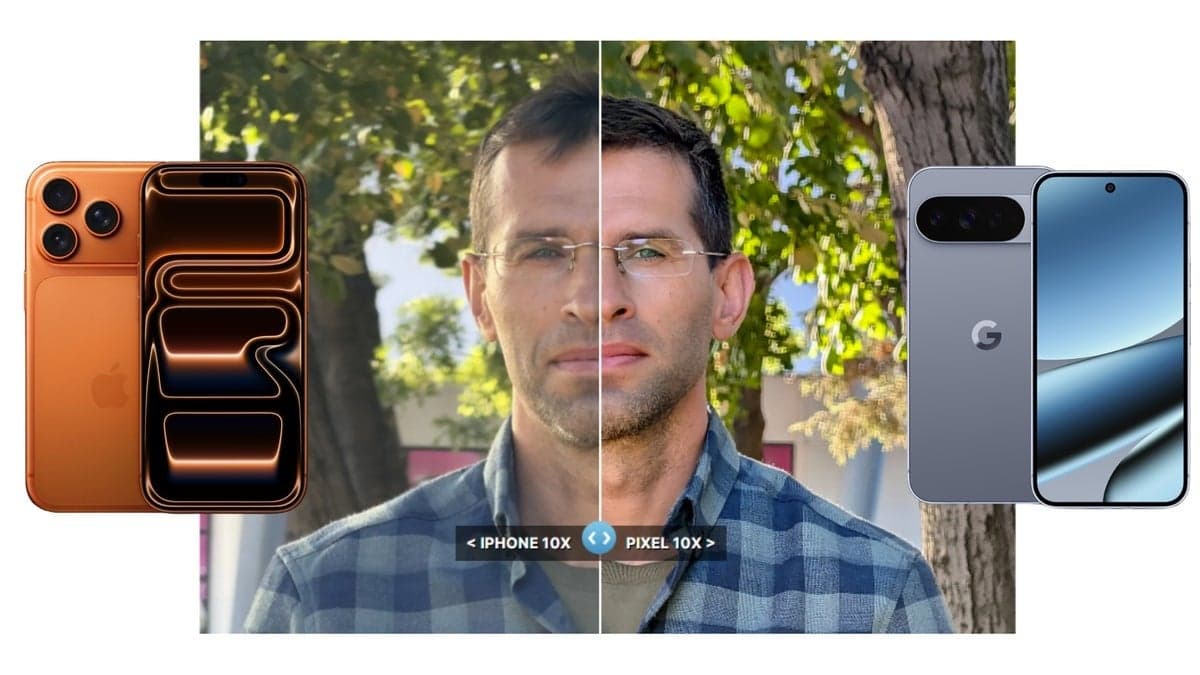
Seventy-two percent of you think Google sees the world better than Apple does.
According to a recent poll of more than 1,500 readers, Google's bold and vibrant photos are more appealing than the sometimes muted images from Apple.
This preference is not surprising, as Google has been dedicated to computational photography for a long time, and it is clearly yielding significant results.
Google's approach involves improved colors, enhanced HDR, and Real Tone technology.
The Pixel's colors appear accurate and natural. The Real Tone feature, which debuted on the Pixel 6, remains a key differentiator. It precisely captures skin tones without excessive smoothing or artificial warmth.
Combined with Google's HDR+ engine, which expertly balances shadows and highlights, this creates the distinctive "Pixel look": high-contrast, vivid, yet realistic. It's impactful, detailed, and vibrant.
This level of image processing inspires confidence in the camera, eliminating the need to adjust settings or lighting. Users can simply point, shoot, and trust the Pixel to deliver excellent results, which is ideal for most users.
While Apple's camera hardware may be superior, its software needs improvement.
The iPhone 17 Pro introduced notable enhancements, such as a new 48 MP telephoto lens with 4x optical zoom and an 8x sensor crop for near-optical quality. It also features a new 18 MP selfie camera and updated processing through the Photonic Engine and Bright Photographic Style.
However, the resulting photos reveal a different story. In side-by-side comparisons, the iPhone's images appear softer, flatter, and exhibit a peculiar tint. The greenish hue in certain scenes disrupts the overall color balance, a problem that megapixels cannot solve.
It seems Apple's hardware is capable of more, but the software hasn't caught up. The Pixel, conversely, utilizes AI-driven image processing to consistently produce more refined images.
The preferred approach is subjective, but most readers seem to favor Google's.
Google's success highlights the value of a software-first approach to camera technology.
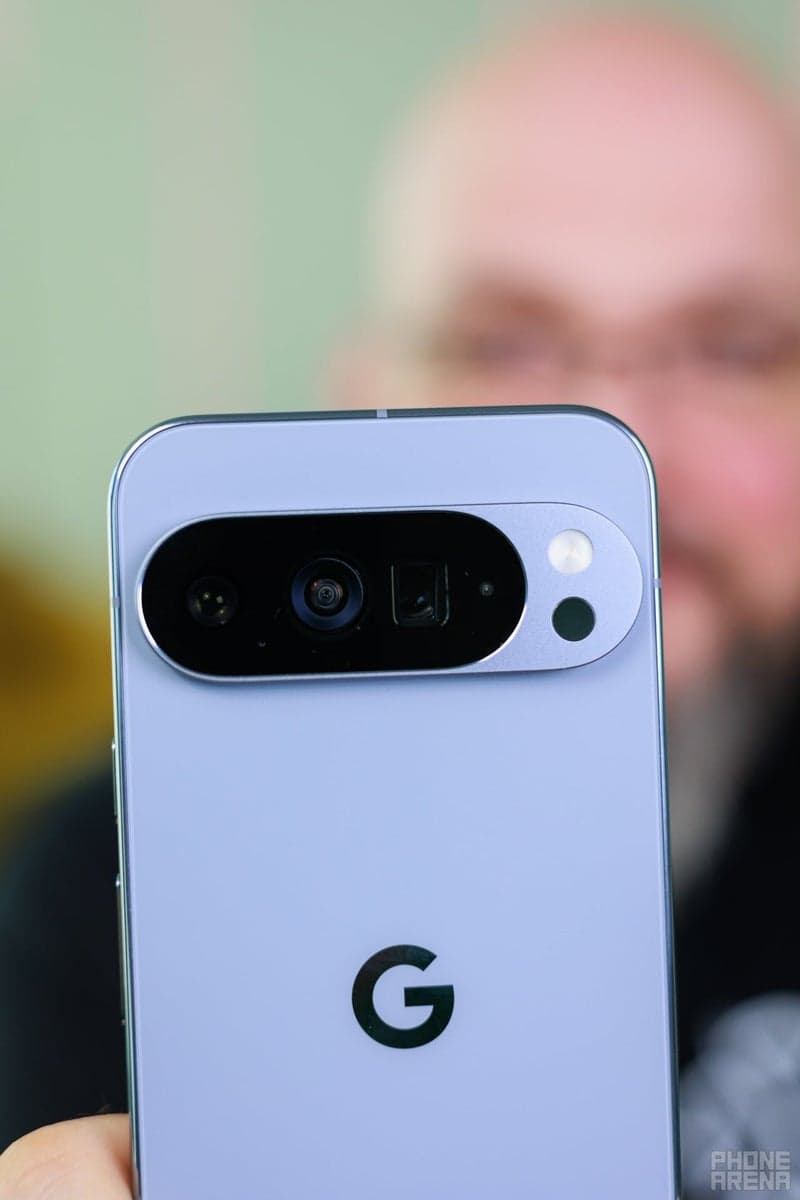
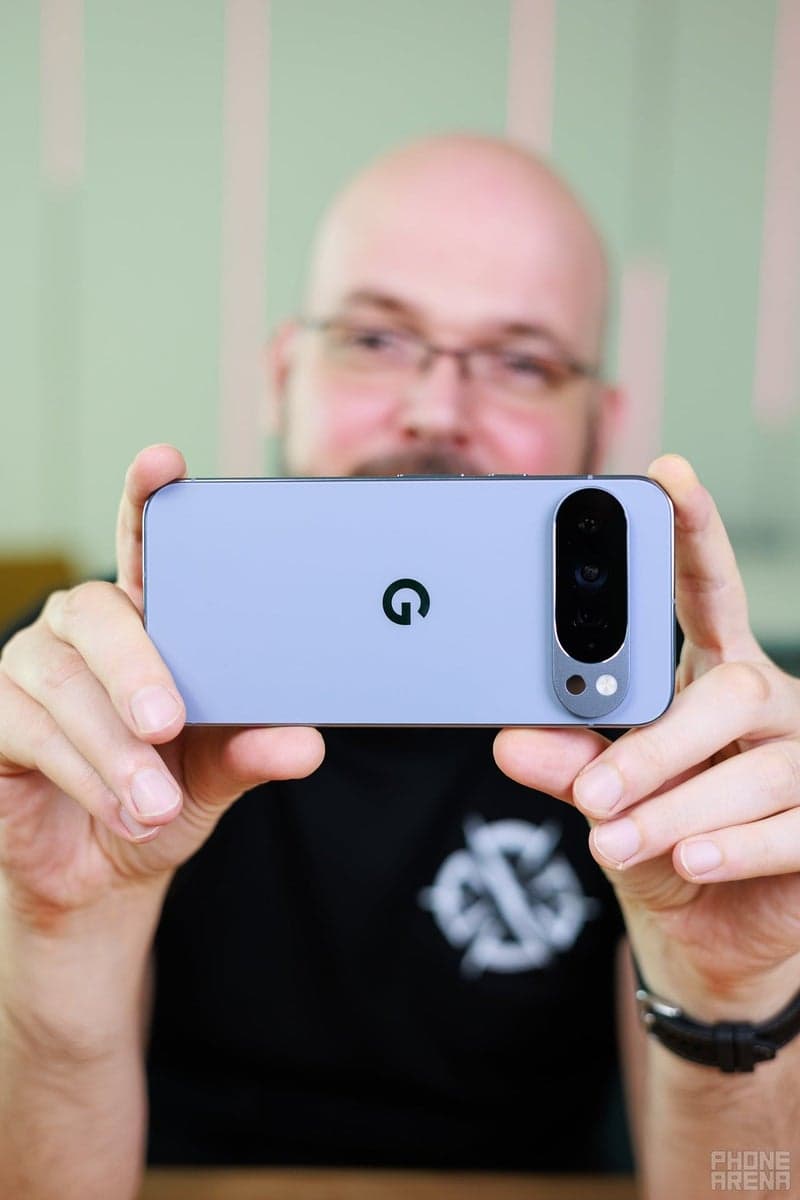
The Pixel 10 Pro XL exemplifies Google's camera philosophy. Its Tensor G5 chip enables smarter zoom processing and improved dynamic range, but the core strength lies in the software.
Google's computational pipeline, encompassing HDR+ and Real Tone, consistently delivers more impactful photos with accurate skin tones, enhanced detail, and superior exposure control. Even without the largest sensor or the most powerful zoom lens, the Pixel 10 Pro XL upholds its legacy by capturing what many consider to be the more compelling photo.
Apple, however, appears to be in a transitional period. While there have been significant hardware upgrades in recent years, image processing has not seen substantial changes. Photos still appear flat, exhibit unusual tints, and struggle with skin tones.
The iPhone 17 Pro is not a poor camera, but in this comparison, readers overwhelmingly preferred Google's results, with the difference evident across zoom shots, low light, and even selfies.
Google wins this round. It remains to be seen if Apple can respond, perhaps with a software update.
Travel Easy with Nomad eSIM – 30% Off
Data-only plans & global coverage – use code IPHONEARENA30
We may earn a commission if you make a purchase
Check Out The Offer
Travel Easy with Nomad eSIM – 30% Off
Data-only plans & global coverage – use code IPHONEARENA30
We may earn a commission if you make a purchase
Check Out The Offer
Data-only plans & global coverage – use code IPHONEARENA30
We may earn a commission if you make a purchase
Data-only plans & global coverage – use code IPHONEARENA30
We may earn a commission if you make a purchase