Reviewing phones offered insights into the direction of smartphone development.
Why the smartphone’s future might be less about the device and more about everything else.
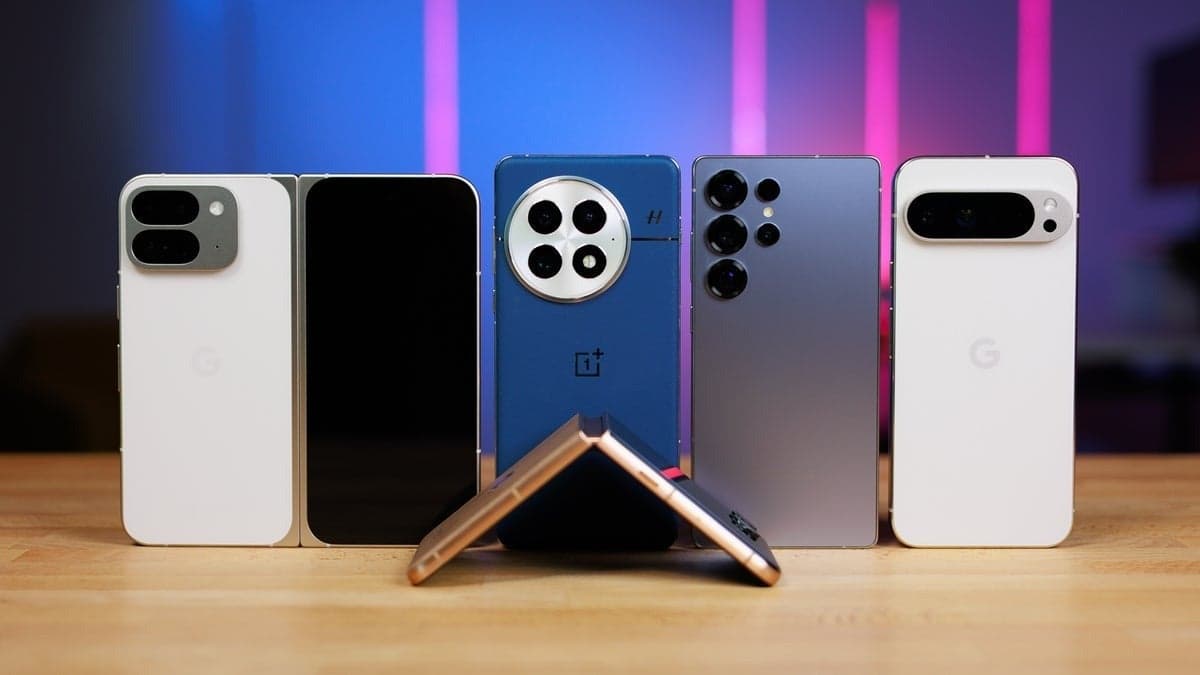
It's hard not to notice the increasing similarity in the look and feel of modern phones.
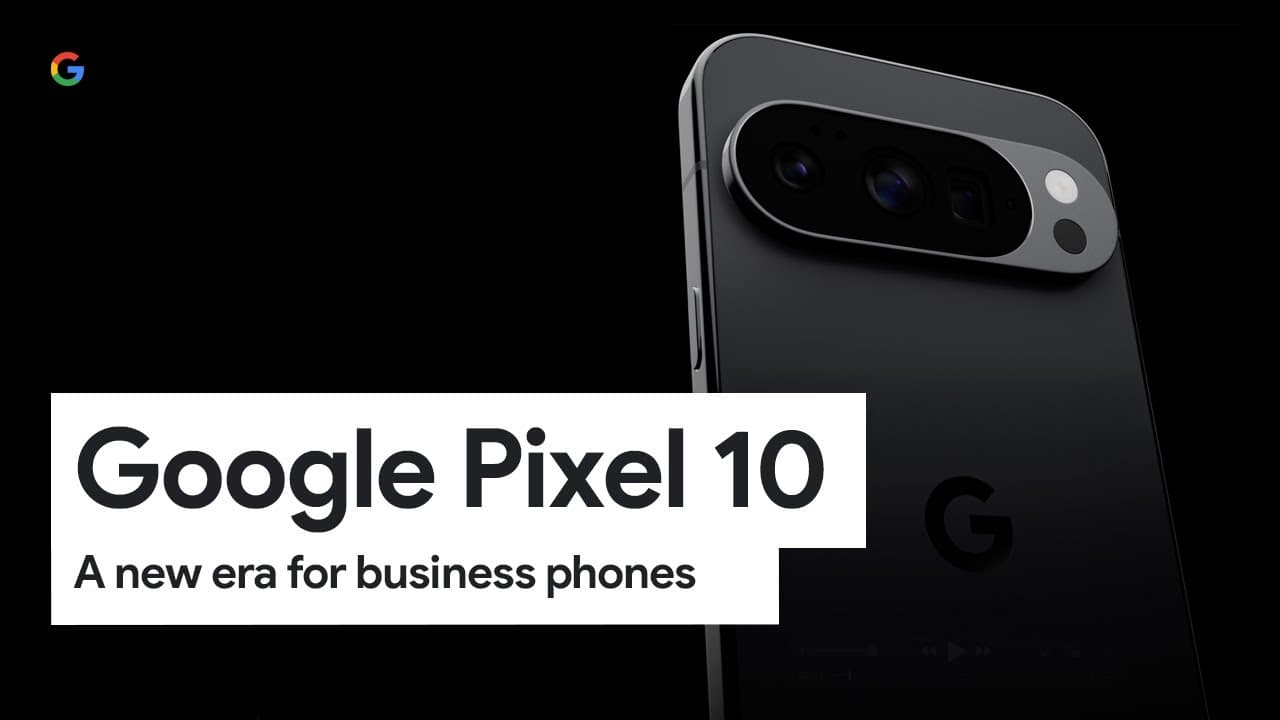
The OnePlus 15, for example, has been critiqued for its generic design, resembling a basic metal and glass slab like the Pixel 10, iPhone 17, and Galaxy S25.
This uniformity extends to software, with iOS and Android interfaces borrowing elements from each other, creating a familiar user experience. It feels as though the devices are reaching a point of convergence.
While differences in camera or display quality may exist, core functionalities like social media, messaging, photography, browsing, banking, and streaming are consistent across different brands.
This holds true even when comparing devices across price points, such as the Pixel 9a and Pixel 10 Pro. Although the 9a lacks certain premium features, the core experience remains consistent.
Is the smartphone the primary source of innovation today?
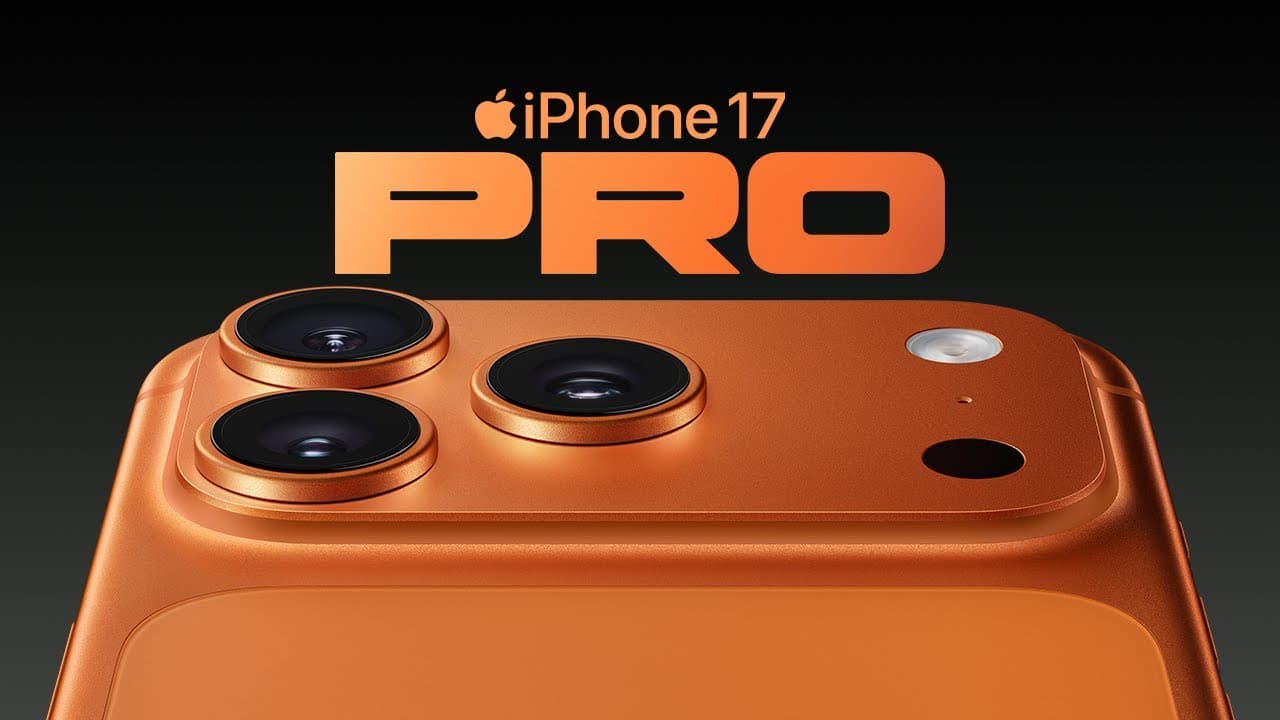
It's amusing how companies promote minor enhancements as groundbreaking advancements. "This year: 12% faster GPU!"; "New anti-glare coating!"; "A stunning new Pro color!"
However, the real innovation seems to be occurring elsewhere in mobile tech:
Wearables are evolving into sophisticated, personalized devices.
AI assistants are gradually becoming personal advisors.
AR glasses are slowly developing.
Health sensors are becoming more advanced and integrated.
Companies now prioritize services, with the phone serving as a central hub for these innovations. It's a platform for syncing, not necessarily the innovation itself.
When companies invest in services, AI, and wearables over phones, it suggests they no longer view phones as the cutting edge of mobile technology. Instead, it's a medium, and its specific details are less significant than before.
Phones haven't stopped evolving due to lazy engineers, but because there's limited room for meaningful improvement.
The illusion of choice vs. a standardized experience
Despite the similarities, why does choosing a phone still feel significant? The industry excels at creating the illusion of differentiation.
Most iPhone Pro buyers don't use Apple ProRAW, Galaxy Ultra users rarely use the S Pen, and 10x zoom is seldom used in everyday situations. Benchmarks are primarily relevant to reviewers.
These features are presented as talking points during events, serving as distractions to make new phones seem special and justify higher prices, even if users don't utilize them.
Meanwhile, non-tech-savvy individuals view phones as tools. They purchase one, use it until it breaks, and replace it with a reasonably priced option that meets their needs. Their decision-making is quick: "Does it run my apps? Is the camera quality acceptable? Is it under budget? Does it look nice?"
The illusion of value: Why do we still treat phones like jewelry?
Phone manufacturers understand that an appealing design implies that the owner is also appealing. This is why promo videos showcase phones like luxury watches, with dramatic lighting and slow rotations.
However, most users immediately apply a protective case, and the design fades into the background. It becomes a tool.
This is the illusion of value. Phones are marketed as fashion accessories, but treated as tools that are used constantly and barely thought about. The contrast between presentation and actual use is striking.
Peak smartphone
In the future, there won't be numerous phone designs competing for superiority. Instead, there will be a universal design, a basic tool without brand distinction.
It may not resemble current phones and could have different functions, but it will be a unified tool, like a wrench or utensil.
Different versions will still exist at various price points, similar to the difference between plastic and silver cutlery. The materials will vary, but the function will remain the same.
Phones will become so uniform and predictable that the primary distinctions will be durability and quality, not innovation. Phones won't vanish, but they will become less prominent.
We are already approaching this point.