Rumors suggest the Pixel 10 Pro XL camera outperforms the iPhone 17 Pro, raising questions about potential software fixes.
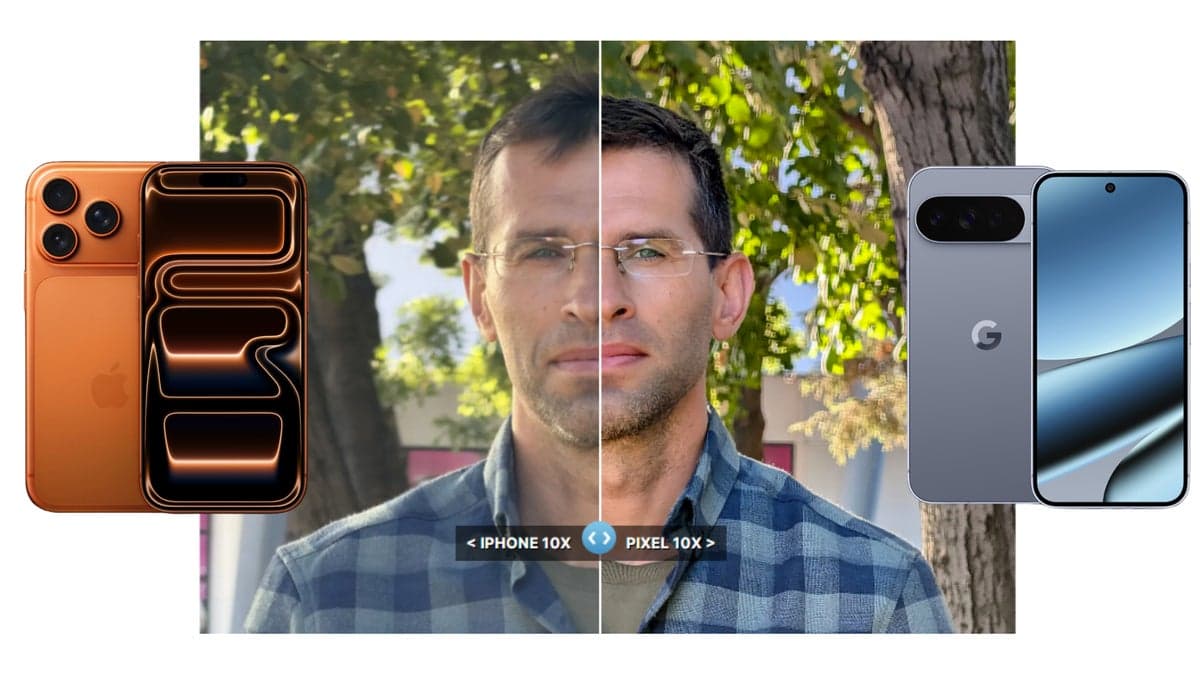
The photo battle between Google's and Apple's flagships leads to surprising results.
Upon its announcement a couple weeks ago, the iPhone 17 Pro stood out, particularly to those interested in mobile photography and the advancements made in camera hardware and software for these devices.
The iPhone 17 Pro and 17 Pro Max feature the most sophisticated camera technology in the newly released series.
The updated telephoto camera includes a 48 MP sensor that's 56% larger, which enhances light capture and image quality, providing 4x optical zoom, and up to 8x with software. The front camera increases to 18 MP from 12 MP, while keeping Center Stage for group photos. Digital zoom is now 40x, and the updated Photonic Engine boosts detail, color accuracy, and noise reduction. "Photographic Styles" such as the new "Bright" mode allow for greater creative control.
However, a comparison of the iPhone 17 Pro Max and the Pixel 10 Pro XL revealed some issues.
At 10x zoom, the iPhone 17 Pro Max images showed noticeably poor quality, exhibiting blurred details and washed-out skin tones, potentially indicating a lens problem. The Pixel 10 Pro XL also had flaws, including unnatural looking bokeh in the backgrounds and some scene oversaturation. Even so, the Google phone produced a better overall picture.
In another test, an indoor shot of a still object at 4x zoom on the iPhone 17 Pro Max and 5x on the Pixel 10 Pro XL, the Pixel provided superior detail and stronger colors.
The difference was even more obvious at 8x and 10x zoom, with the iPhone producing blurry details.
For selfies, the phones were comparable, but the Google Pixel 10 Pro XL tended to oversaturate the images, while the iPhone captured accurate foreground detail but dull background colors.
The Pixel also produced better skin tones.
For main camera shots, the iPhone 17 Pro Max created a subtle gray-green tint and appeared to lack detail, while the Google phone, while potentially over-processed, avoided the tint.
In portrait mode, the iPhone 17 Pro Max performed better, rendering good bokeh and subject separation, despite still looking somewhat digitized. The Pixel 10 Pro XL oversaturated the image and generated unnatural bokeh.
In nighttime shots, the Google Pixel 10 Pro XL created high-dynamic range images, with a green tint, but which were ready for social media. The iPhone 17 Pro Max had more true-to-life colors, but looked underdeveloped and lacked detail in darker areas.
The subsequent shot highlighted this further, with the Pixel capturing greater detail in the building's facade.
With the sky in view, the iPhone overemphasized the clouds, while the Pixel provided a more balanced image with greater detail.
Testing the ultra-wide lens at night, neither phone impressed; the iPhone's images were too dark, while the Pixel's relied too heavily on HDR, producing overly aggressive images.
The Pixel performed better in other ultra-wide tests.
The iPhone's color accuracy was good in zoom shots at night, though the images appeared soft and lacked detail.
The same issue was observed in other low-light zoom photos; colors were superb, but detail was lacking.
Hopefully, a software update can solve these issues, as these types of fixes are common.
Brands often release devices with issues that are addressed later through software updates. For instance, the Galaxy S24 Ultra received camera improvements in April 2024 that addressed white balance, exposure, low-light performance, color accuracy, and high-zoom clarity.
Hopefully, Apple will issue an update soon to resolve these issues.
The book "Iconic Phones: Revolution at Your Fingertips," is coming this fall. It features more than 20 fan-favorite phones and the technological revolution that shaped our lives. Sign up to secure an early discount.