Snap’s AR glasses cost $2,195 — and despite the high price, I think they could be the best XR gadget of 2026 if they live up to their prototype


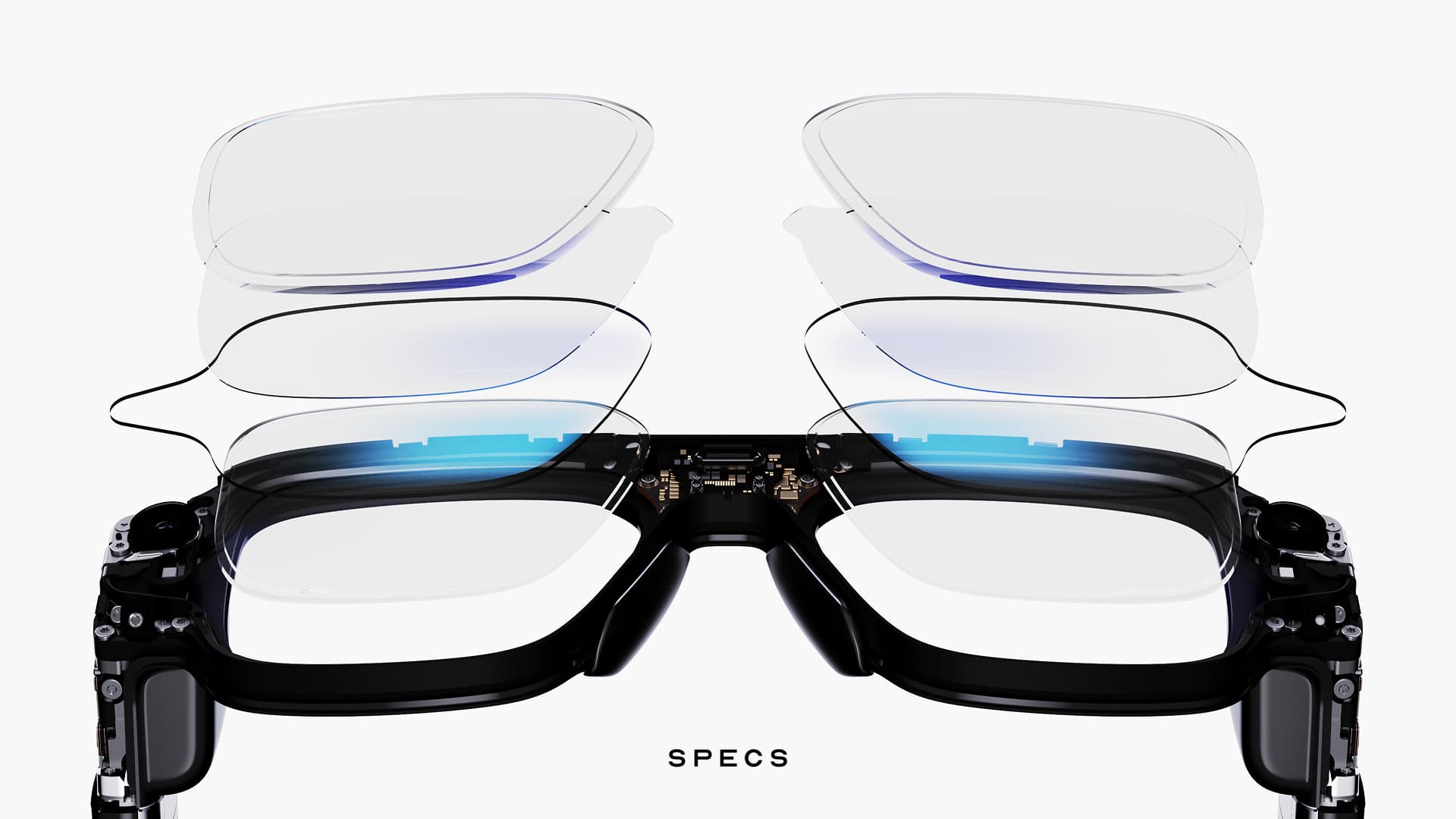


Snap's $2,195 Specs combine lightweight frames, dual AR displays, hand-tracking cameras, and on-board AI into a real consumer product shipping this fall, not just a prototype.
With a charging case providing up to 20 hours of total use and prescription-ready lenses, the reviewer sees them as a potential standout XR device of 2026 despite the price.
When you purchase through links on our site, we may earn an affiliate commission. Here’s how it works. After joining the chorus of brands promising consumer smart glasses would arrive in 2026 at last year’s Augmented World Expo, Snap (formerly Snapchat) has finally debuted its latest Specs at this year’s AWE That high cost is explained by all the different XR tech the Specs combine into a single gadget.
You have the form factor of glasses that are (relatively) lightweight, with a pair of clear displays built into the electrochromic lenses to overlay digital elements on the real world, and cameras to track your hands and anchor points in the space around you so that the spatial features feel as real as physical objects. The glasses are powered by a pair of Qualcomm Snapdragon chips Removable inserts can support a range of eyeglass prescriptions, and the batteries can deliver “up to four hours of mixed-use." You’ll get a charging case for an additional four charges (for 20 hours of total use), and, of course, there’s built-in AI assistance. Best of all, this isn’t some unavailable prototype.
It’s a real gadget you’ll be able to buy this Fall (aka September, October, or November). There’s nothing quite like the Snap Specs on the market right now, and that's a major advantage for Snap as it leapfrogs Meta, Android XR, and the rest. Reactions online from many have been pretty negative, with folks asking, "Why can’t anybody make a normal looking pair of glasses," and "that’s gonna be a hard no from me dawg." However, I'm very excited to take these glasses for a whirl.
I’ve not used these Snap Specs specifically yet, but I have had several chances to try their predecessor — a developer kit with essentially the same capabilities Where they succeed best is in social interactions. During a live demo, I experienced a three-way conversation between two Snap representatives and me. We were each speaking a different language, but we could communicate perfectly as the Specs displayed live translation subtitles above our heads in near real time.
In another demo Unfortunately, these demos require each person to have a pair of Specs, and at $2,195, I expect they’re too pricey for mass adoption. There are two other important unknowns. Firstly: comfort.
At 132g or 136g (based on which size of Snap Specs you buy), these AR glasses weigh almost three times as much as standard Meta Ray-Bans, and roughly double the monocular Ray-Ban able enough, but only for an hour or so at a time. More crucially, a big question is software. Snap has showcased several AR Glasses applications, such as getting visual instructions from the AI assistant for a simple car repair, watching a video on a large virtual screen, navigating a real-world map, and real-time translation.
Plus, there are third-party apps for things like cooking and golf assistance, drawing tools for AR and real-world art, games including darts, Peridot, and an official Avatar: The Last Airbender experience, and more are promised. It all looks great, but when the Specs cost $2,195, they have a high bar to clear out the gate. They can’t be a one-and-done thing either.
They’ll need to be a growing platform that feels more valuable over time, with new experiences and features added. Otherwise, early adopters could feel let down, and the early hype will die. This is what happened with the Apple Vision Pro.
The hardware is superb, and the early impressions were praising Apple's headset, but after a month or so with the device many found it gathering dust and excitement dried up because it didn't have the software utility it needed. The silver lining is that, for long-term affordability, there’s some hope. Thanks to the RAM crisis and other component cost increases, thanks to AI and global trade disruptions, tech is pricier than ever.
If / when these troubles dissipate, we’ll hopefully see prices fall, and they could fall rather steeply. We can’t know what the future holds, but I have my hopes that upcoming generations of the Snap Specs and glasses like them will be a lot more affordable. Hopefully, Snap’s current model is popular enough and impressive enough to deliver that AR future I’m dreaming fad fueled