SpaceX is acquiring more spectrum from EchoStar, fueling speculation about Elon Musk's plans to enter the wireless market.
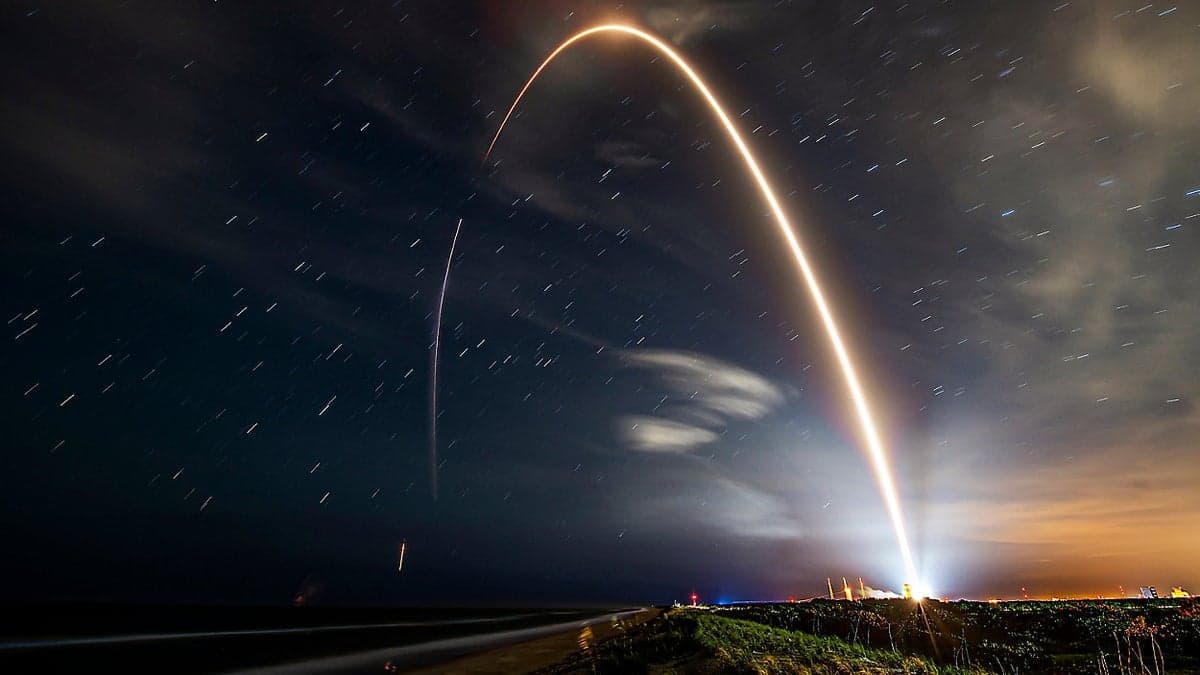
Analysts wonder what Elon Musk has in mind after the latest $2.6 billion spectrum purchase.
SpaceX, which spent $17 billion to acquire H-block and AWS-4 spectrum from EchoStar in September, is now seeking additional spectrum from the same source. The AWS-4 airwaves previously purchased are for mobile satellite services (MSS), while the AWS-3 spectrum SpaceX is now buying from EchoStar for $2.6 billion is intended for terrestrial use and is unpaired, requiring Time Division Duplexing (TDD).
TDD uses a single frequency for both uplinks and downlinks, alternating between sending and receiving data at different intervals to avoid collisions.
Some speculate that EchoStar's paired AWS-3 spectrum could be acquired by Verizon. Paired AWS-3 spectrum airwaves use Frequency Division Duplexing (FDD), which enables simultaneous data transmission and reception using two separate frequency blocks. FDD signals can also travel farther from base stations than TDD. Low-band 5G spectrum typically uses FDD, while mid-band 5G spectrum like T-Mobile's 2.5GHz and the C-band spectrum of AT&T and Verizon utilizes TDD.
The AWS-3 spectrum purchase still needs regulatory approval. Elon Musk has not yet publicly disclosed SpaceX's plans for the airwaves, leading to speculation that he intends to disrupt the wireless industry. One theory suggests Musk might create a terrestrial network using mid-band spectrum to establish the fourth major mobile network operator (MNO) in the U.S. EchoStar's Boost Mobile was initially intended to fill this role, but financial difficulties and regulatory pressure led to the sale of its spectrum.
Boost Mobile has since entered an MVNO agreement with AT&T and is already using the spectrum it sold to the carrier in August. Now operating as a hybrid MNO with AT&T's infrastructure and its own 5G core, Boost no longer needs to manage cell towers. EchoStar Chairman Charles Ergen noted that maintaining cell towers would not typically be an issue, but the small scale of their operations made it problematic.
According to Roy Chua, founder and principal of AvidThink, this deal will provide SpaceX with a contiguous block of mid-band airwaves ideal for direct-to-cell (D2C) phone services nationwide. However, Chua anticipates that SpaceX will partner with MNOs for D2C services and use the spectrum for specialized enterprise/IoT/OT applications, rather than becoming a facilities-based mobile network provider. Recon Analytics founder Roger Entner believes that achieving scale will be difficult even for Musk.