SpaceX secured the spectrum it sought through a $17 billion agreement with Echostar.
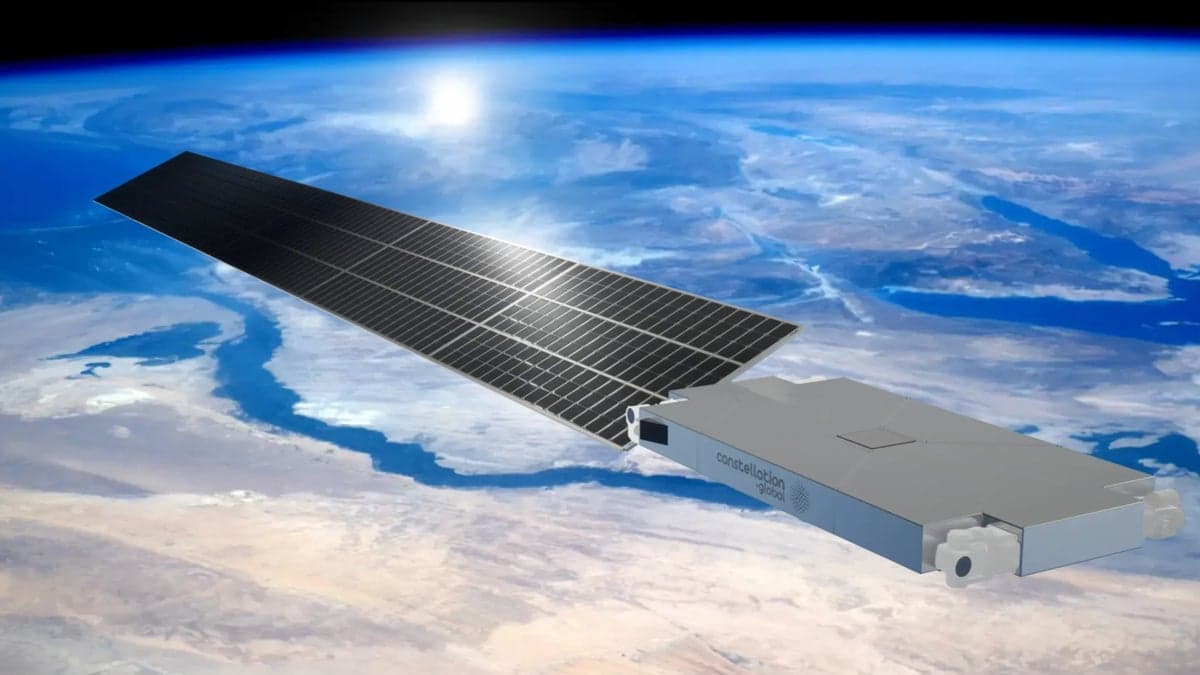
SpaceX gets the 2GHz AWS-4 spectrum it wanted by purchasing it from Echostar.
After selling a significant portion of its spectrum holdings to AT&T, which dashed its hopes of becoming a fourth major wireless carrier, Echostar has sold more of its remaining airwaves to SpaceX. The Elon Musk-led SpaceX had previously accused Echostar of hoarding spectrum, an allegation also made by FCC Chairman Brendan Carr. Others claimed Echostar was attempting to profit through spectrum speculation.
Echostar, which earned $23 billion last month by selling 30MHz of 3.45 GHz mid-band spectrum and 20MHz of 600 MHz low-band airwaves to AT&T, announced another spectrum deal today. SpaceX, seeking the spectrum for its direct-to-phone satellite service, will pay $17 billion for it.
Upon closing, Echostar will receive $8.5 billion in cash and $8.5 billion in SpaceX shares, which are privately held. SpaceX will also cover approximately $2 billion in interest payments on Echostar's debt through late 2027 as part of the agreement.
The deal enables Boost Mobile subscribers, an Echostar subsidiary, to access SpaceX's Starlink direct-to-cell service, which provides connectivity in areas lacking cellular signals. SpaceX says that the additional spectrum will expand its cellular capabilities by "more than 100 times," and SpaceX President Gwynne Shotwell stated that the purchase will help "end mobile dead zones around the world."
The agreement affected Wall Street, with Echostar shares rising $11.50, or 17.10%, to $78.74, while T-Mobile shares decreased $8.38, or 3.32%, to $244.38 in afternoon trading. AT&T shares fell 64 cents, or 2.15%, to $28.96 at 2:20 pm ET.
SpaceX stated that with exclusive spectrum, it will develop next-generation Starlink Direct to Cell satellites, which will improve performance and enhance coverage for customers globally.
The Echostar-SpaceX transaction alters the wireless industry, but differently from the AT&T deal. The AT&T deal eliminated Boost Mobile's chance to replace Sprint as a major U.S. carrier, requiring Boost to rely on AT&T's spectrum for calls and data and halting Echostar's standalone 5G network construction.
The SpaceX deal will help increase its 5G footprint. Since 2020, Starlink has launched over 8,000 satellites, including 600 placed in low-earth orbit since January 2024. SpaceX refers to these as "cell towers in space." The spectrum purchased in the AWS-4 (2 GHz) and H-block will allow Starlink to operate with its own spectrum, instead of leasing from carriers like T-Mobile. Starlink has stated that the 2GHz mid-band spectrum will improve performance significantly.
An FCC spokesman said that the deals between EchoStar, AT&T, and Starlink could increase competition, expand innovative services to more Americans, and strengthen U.S. leadership in next-generation connectivity.
Echostar may have been compelled to sell spectrum due to financial issues and pressure from the FCC. While Echostar was rumored to be nearing Chapter 11, Boost Mobile had been showing signs of improvement after initial customer losses following its acquisition by Dish Network.
FCC Chairman Brendan Carr had threatened to revoke Echostar's spectrum due to "warehousing." While some might speculate about a connection between Elon Musk, President Donald Trump, and Carr, Echostar had been holding onto the spectrum licenses for an extended period.
The FCC believes that freeing up these licenses could benefit the wireless industry, as SpaceX will utilize the airwaves effectively.
In other news, a forthcoming book titled "Iconic Phones: Revolution at Your Fingertips" will explore the technological revolution of the 21st century.