T-Mobile appears to be pushing its T-Life app on customers, despite negative feedback.
An internal poll shows overwhelming frustration with T-Mobile’s buggy, mandatory "super-app" strategy.
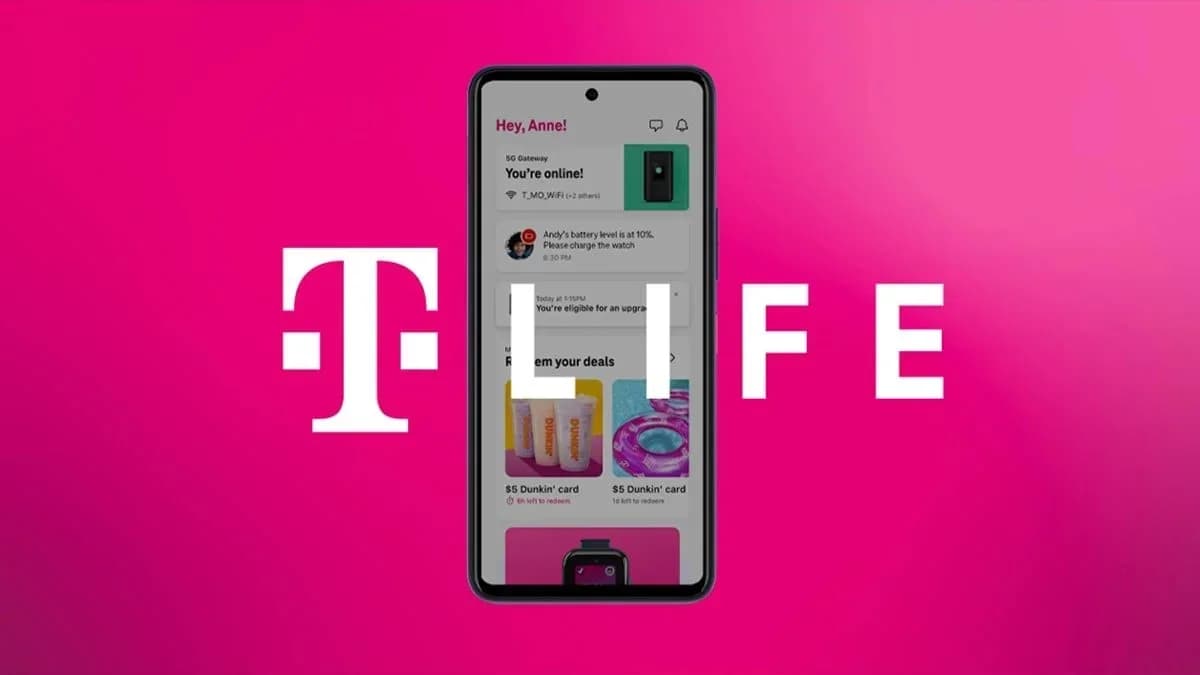
T-Mobile customers are encountering T-Life, the company's comprehensive application intended to centralize various services. This "super-app" aims to consolidate account management, bill payments, T-Mobile Tuesday benefits, home internet settings, and banking features.
The primary issue lies in the app's execution. T-Mobile is strongly encouraging app adoption by removing alternative support channels. For instance, a recent report indicates that customers must use T-Life to arrange payment plans, as phone and in-store support have been discontinued for this purpose.
A recent poll addressed whether T-Mobile is transitioning too rapidly, with 75.94% of over 2,200 respondents answering affirmatively.
Mandating the use of a new platform can be challenging, particularly if the platform contains issues. User feedback suggests that T-Life is perceived as cumbersome and unreliable, with reports of login problems, crashes, and slow performance.
T-Mobile intends to gain a competitive advantage through this all-in-one approach. While other carriers, like Verizon, offer functional account management apps, T-Mobile aims to surpass this model, but is falling short of expectations.
This strategy appears to be driven by a desire to reduce operational expenses by minimizing call center and in-store support through a digital platform. However, customers are being directed away from functional support systems toward a problematic app.
The 75% disapproval rate highlights a significant gap between T-Mobile's objectives and customer satisfaction.
While a centralized application for managing plans, benefits, and payments may seem appealing, T-Mobile's implementation is negatively impacting customers. The company is removing reliable support options, including those needed by less tech-savvy users.
T-Mobile is prioritizing its objective of a streamlined, low-cost digital system over customer experience. The company should have refined the app before requiring its use and incentivizing adoption rather than penalizing customers for not using a flawed product.