Teardown confirms US iPhone 18 Pro Max lacks Apple's C2 modem - AppleInsider
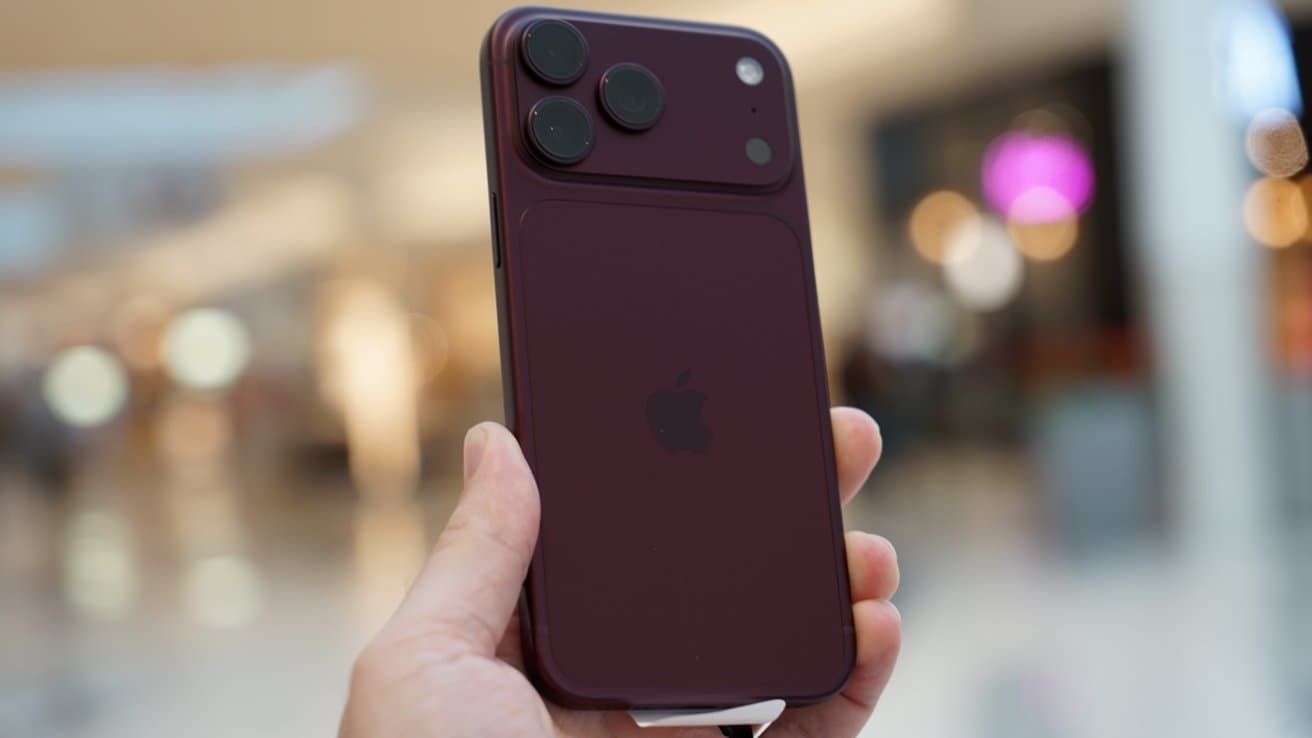

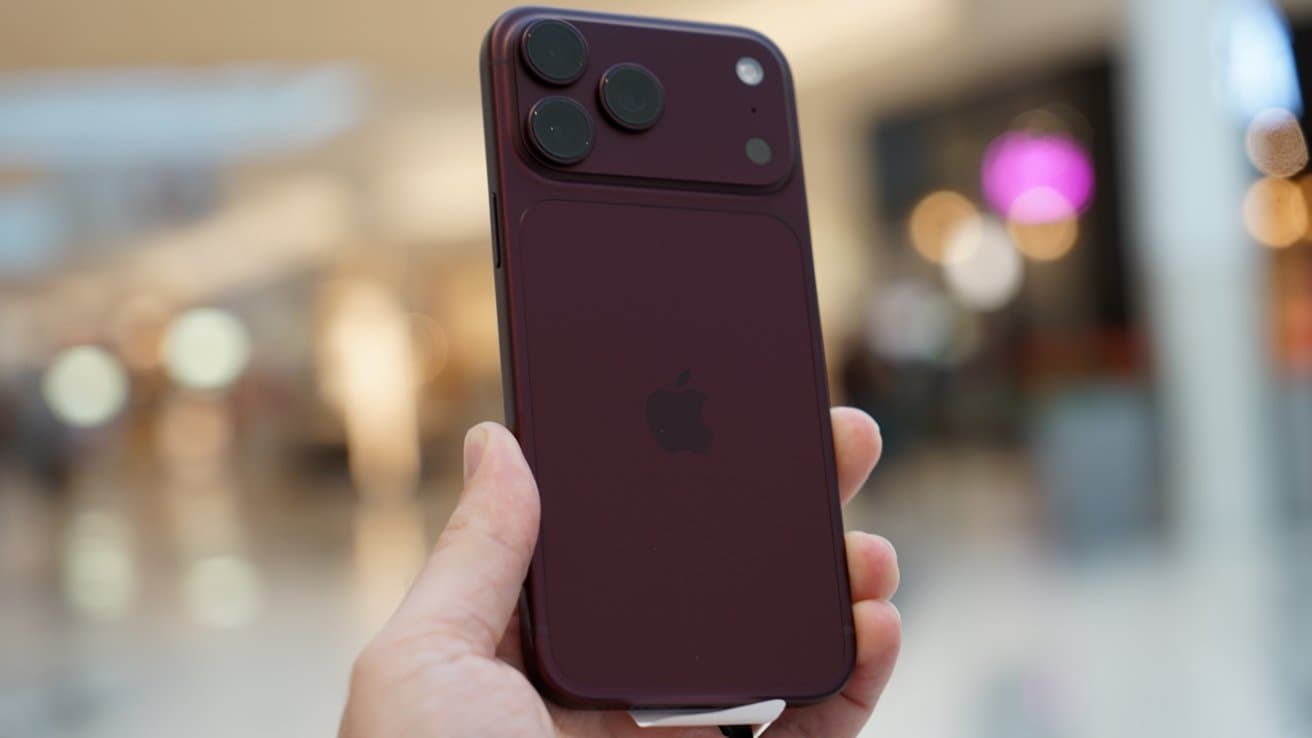

Modem descriptions in Apple's specifications for the iPhone 18 Pro and Pro Max. The only difference between the two is the line "Apple C2 cellular modem" for the iPhone 18 Pro, and a blank space for the iPhone 18 Pro Max. version of the iPhone 18 Pro Max, and Apple is unlikely to ever say why.
Sat Sep 19 2026, 08:53 AM EDT · 2 minute read
A teardown of the iPhone 18 Pro Max has confirmed an oddity of the US-based model, in that it uses a Qualcomm modem instead of Apple's C2 chip.
Apple's introduction of the iPhone 18 Pro line included a lot of hype about its use of the C2 modem. It turns out not to be the case for the iPhone 18 Pro Max in the United States.
In details from a teardown of the iPhone 18 Pro Max by TechInsights, it details many of the typical internal components, like the A20 Pro chip and the N1 wireless module. However, when it comes to the cellular system, it's using a Qualcomm Snapdragon SDX80M 5G modem.
To the publication, the existence of the Qualcomm modem may be an indicator of regional differences or multiple modem configurations within the entire iPhone 18 lineup.
The same RF board also includes modules from Skyworks, Broadcom, Qorvo, Texas Instruments, and an NXP NFC controller. There's also the Apple Wireless Combo Module, marked N1, used to handle Wi-Fi.
The teardown's discovery of a Qualcomm modem is interesting, considering Apple's promotion of the C2 in its press release. However, reading the press release shows Apple has carefully said it is included in the iPhone 18 Pro.
While this could be taken to mean the iPhone 18 Pro range, it can also mean the specific model. Apple doesn't specify the use of Qualcomm's modem at all, nor does it hint that the iPhone 18 Pro Max could use anything other than the C2, but it also doesn't explicitly connect the C2 with the Pro Max either.
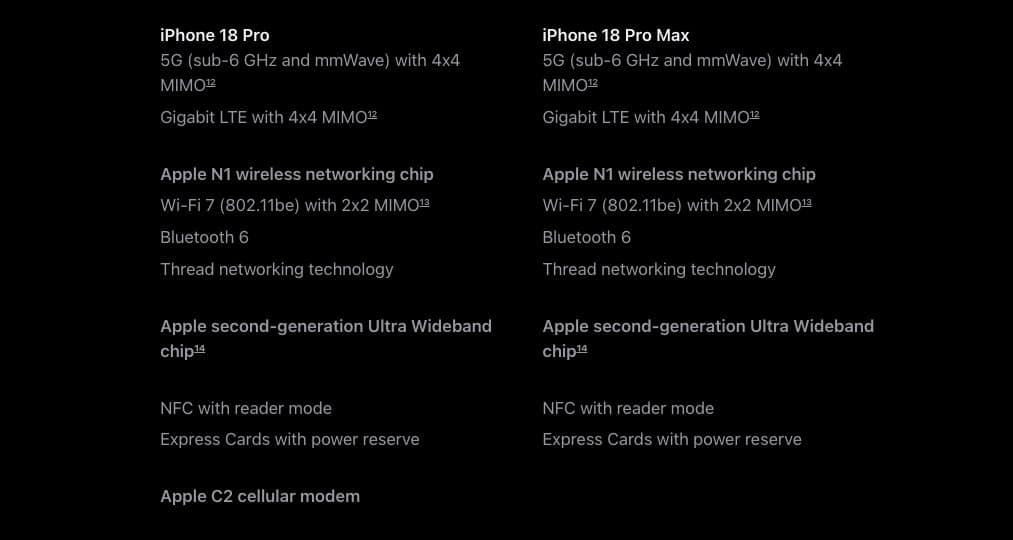
Checking Apple's specification pages for the iPhone 18 Pro line confirm that there's a difference in how it handles the modem in the models.
Modem descriptions in Apple's specifications for the iPhone 18 Pro and Pro Max. Note the lack of the last C2 modem line for the Pro Max model.
The U.S. version splits the modem capabilities of the Pro and Pro Max variants into separate columns. The only difference between the two is the line "Apple C2 cellular modem" for the iPhone 18 Pro, and a blank space for the iPhone 18 Pro Max.
This appears to be a configuration choice just for the United States. Checking the same page for Canada, the UK, France, India, and other markets has identical columns, but with "Apple C2 cellular modem" in both of them.
It is unclear why Apple has singled out the U.S. version of the iPhone 18 Pro Max, and Apple is unlikely to ever say why. But, with this happening only to one market and one iPhone variant, it's probably Apple fulfilling the requirements of its 2023 agreement with Qualcomm.
Based in South Wales, Malcolm Owen has written about tech since 2012, previously for Electronista and MacNN. His interests include photography, magic tricks, game development, and annoying his cats.
So what I'm hearing is "Definitely get the Pro Max if you want a good cell modem."
https://forums.appleinsider.com/discussion/comment/3509581#Comment_3509581
Or the opposite, unless you have some facts to backup that assertion?
I believe this was contained in Qualcomm's forward looking statements at some point:
"In addition to historical information, this presentation contains forward-looking statements that are inherently subject to risks and uncertainties, including but not limited to statements regarding our chipset supply agreement with Apple and the anticipated dollar value thereof, and our long-term financial planning assumption of a 20 percent share of supply for the phone launch in 2026."
https://forums.appleinsider.com/discussion/comment/3509581#Comment_3509581
https://forums.appleinsider.com/discussion/comment/3509581#Comment_3509581
From the comparisons I've seen, Apple's C2 modem compared quite well to Qualcomm's modem with the differences between the two being small enough that that average user wouldn't notice in daily use. The only exception would be mmWave capability which is all but useless for the vast majority of people anyway.