The FCC is increasing scrutiny of the largest smartwatch maker.
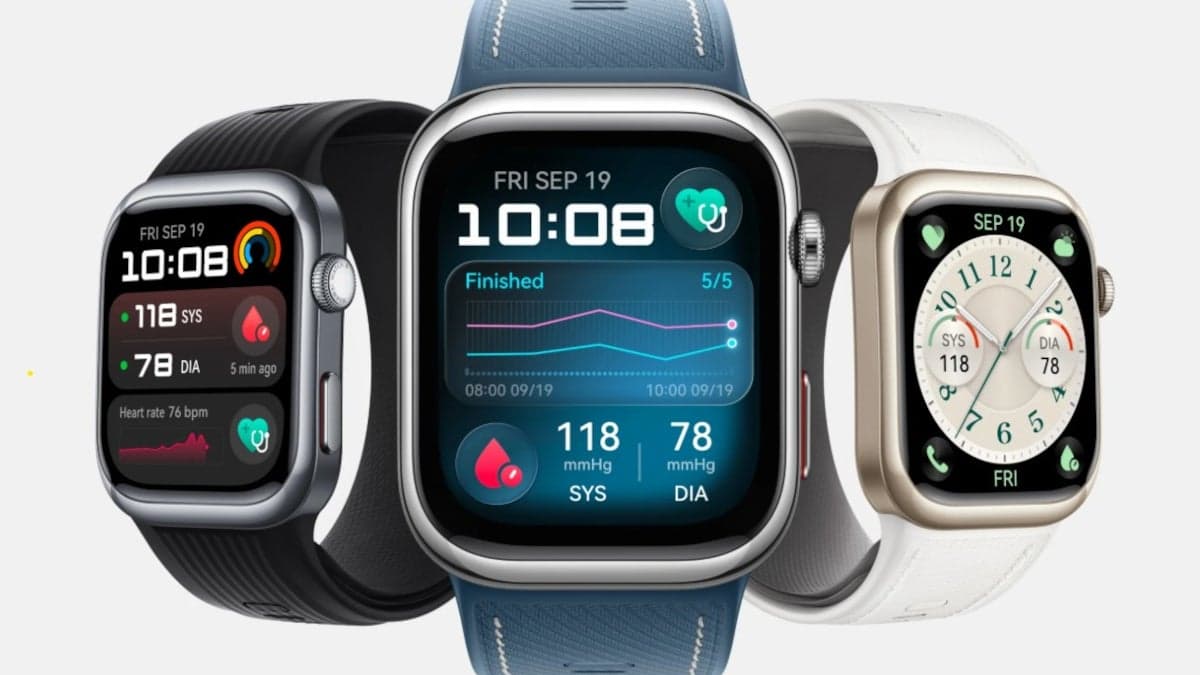
Worries that Chinese firms are using loopholes to get around U.S. sanctions leads the FCC to crackdown.
The FCC is worried about potential loopholes that could allow restricted equipment to enter the country. FCC Chairman Brendan Carr stated that the agency is working to eliminate vulnerabilities that could be exploited by foreign adversaries to threaten network security. The FCC voted 3-0 to block the authorization of devices containing components from companies on the Covered List.
Carr said earlier in November that major online retailers in the U.S. had removed millions of listings for Chinese electronic devices that were either banned or unauthorized for sale in the U.S. These products included smartwatches and home security cameras from firms like Huawei, Hangzhou Hikvision, ZTE, and Dahua Technology Company. Huawei held the largest share of the global smartwatch market during Q2 2025, with 21%, while Apple had 17%.
Earlier this month, the FCC issued a national security notice regarding banned products, including video surveillance equipment. On October 15th, the FCC also began the process of revoking Hong Kong telecom firm HKT's authority to operate in the U.S. due to national security concerns. HKT is a subsidiary of PCCW.
The FCC stated earlier this year that nine Chinese companies on the Covered List were under scrutiny. These firms include Huawei, ZTE, Hytera Communications, Dahua Technology Company, Pacifica Networks/ComNet, and China Unicom.
In March, FCC Chair Carr said that the U.S. operations of Huawei, ZTE, and China Mobile were being investigated for potentially violating U.S. sanctions. Carr stated that the FCC needed to examine these companies' activities and eliminate any loopholes that allow untrustworthy actors backed by foreign adversaries to bypass regulations.
In 2012, a U.S. House of Representatives' Intelligence Committee draft report identified Huawei and ZTE as threats to U.S. national security. The report suggested banning their products due to the influence of the CCP. ZTE became a major smartphone vendor in the U.S., offering low-priced handsets to carriers like AT&T, Verizon, and T-Mobile.
In April 2017, ZTE was banned from exporting devices and networking gear to the U.S. for seven years after making false statements about punishing executives involved in illegal shipments to North Korea and Iran. By May 2018, ZTE had ceased operations because of the ban. Subsequently, President Donald Trump ordered the Commerce Department to negotiate a deal allowing ZTE to resume exports to the U.S.
Under an agreement reached in July 2018, ZTE paid an additional $1 billion penalty, placed $400 million in escrow for future violations, replaced its board of directors and executive leadership, and accepted a U.S.-appointed compliance monitor within the company for 10 years.