The iPhone 17 is rumored to have a significantly upgraded camera.
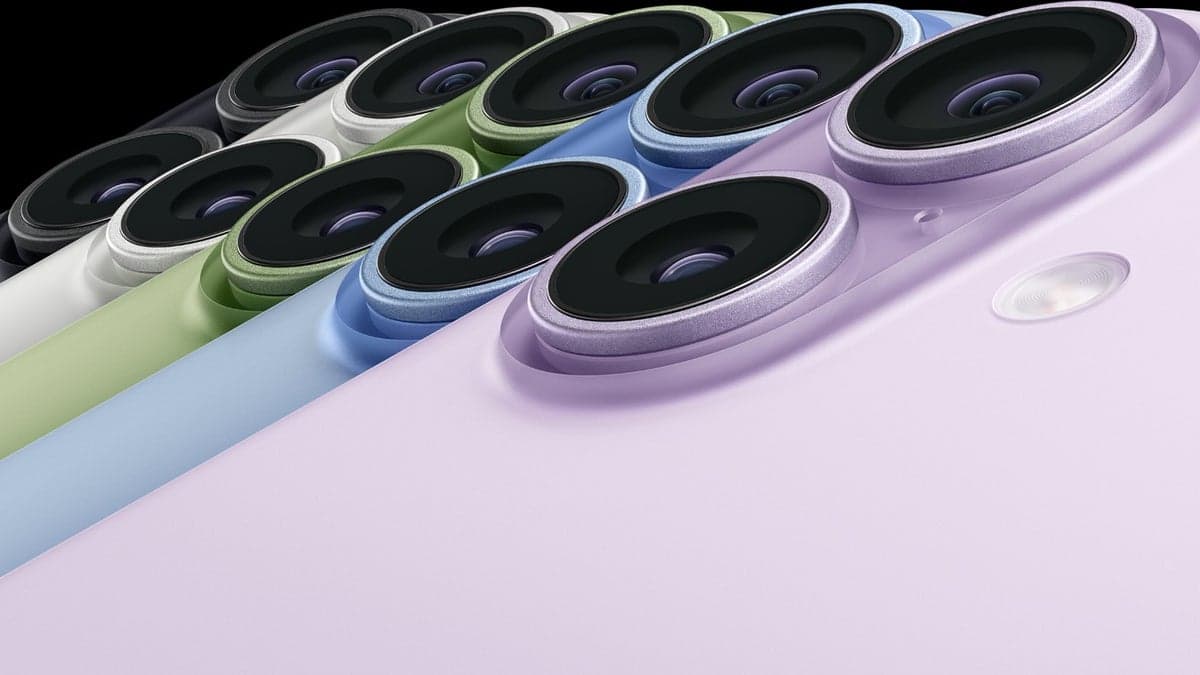
The iPhone 17 lineup doubles down on cameras — except for the one that doesn’t.
## iPhone 17 Camera Updates Detailed
The iPhone 17 will still feature a 48 MP primary camera with 2x digital zoom. A key upgrade this year is the ultrawide lens, moving from 12 MP to 48 MP. This is likely the same sensor as the Pro models, offering double the resolution (defaulting to 24 MP) and enhanced macro capabilities, due to the higher-resolution ultrawide handling close-up images.
Apple is introducing a redesigned front camera system known as Center Stage. Utilizing a square sensor, the largest for an iPhone selfie camera, it supports both portrait and landscape shots without needing to rotate the phone. The field of view expands automatically when more individuals enter the frame, and photo resolution reaches 18 MP. The new front camera also benefits from video stabilization improvements derived from Action mode.
The iPhone 17 Air, the thinnest iPhone yet, features a single 48 MP rear camera functioning as a 2x telephoto, similar to other iPhones with this setup. It defaults to 24 MP and includes updated Portraits with Focus control, as well as custom 28mm and 35mm framing options. The Air also has the new front camera system, complete with multi-composition features and simultaneous front and rear recording via Dual Capture video.
iPhone 17 Pro and 17 Pro Max models will feature a triple-camera system, with each rear sensor being 48MP, including a telephoto lens within the redesigned camera housing.
The telephoto lens provides 4x zoom at 100mm and 8x zoom at 200mm, thanks to a tetraprism design and a larger sensor with improved stabilization. Digital zoom extends to 40x for photos. The main and ultrawide cameras have updated processing for finer details and improved image quality in varied lighting. The 18 MP front camera offers higher resolution, a wider field of view, and more framing options for photos and video.
Pro models will continue to support Dolby Vision HDR, 4K120, and ProRes Log, with the addition of ProRes RAW capture. Genlock support allows precise synchronization when using multiple cameras. These features target professional content creators, including Dual Capture video for simultaneous front and rear camera recording.
Apple has not announced 8K recording capabilities, and standard video frame rate information beyond 4K60 was not provided for the standard iPhone 17.
Updates have been made to Portrait mode, enabling focus point adjustments post-capture and improved low-light performance via the Photonic Engine. Depth information is automatically captured for people, pets, and similar subjects, allowing for portrait effects to be applied later.
The front camera system includes AI-assisted auto-expand and auto-rotate framing for group selfies. iOS 26 also refines HDR, skin tones, and low-light performance.
The iPhone 16 series performed well in camera tests, particularly in video, though some competitors led in photo quality. With the iPhone 17 upgrading both rear cameras and introducing a new front camera, performance is expected to improve.
The iPhone 17 Pro and Pro Max, with their new 48 MP telephoto sensor featuring 8x zoom and new video capabilities, should also see enhanced performance.
Evaluations will be updated after testing, but initial impressions suggest Apple has worked to improve camera performance across all lenses, aiming for a more consistent experience between standard and Pro models.