The new iPhone Air appears to be a durable and well-built phone, avoiding any bending issues.
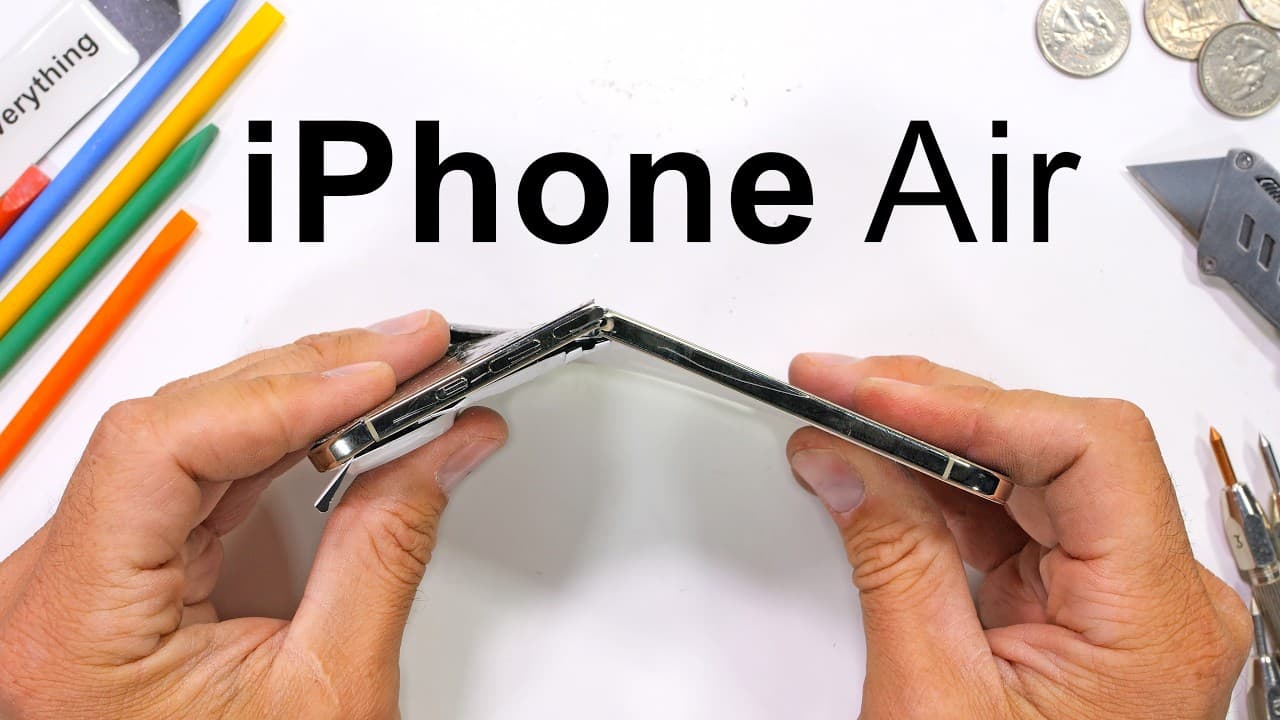
If you were concerned that the iPhone Air would be as pliable as the iPhone 6 Plus, don't spend a minute more worrying.
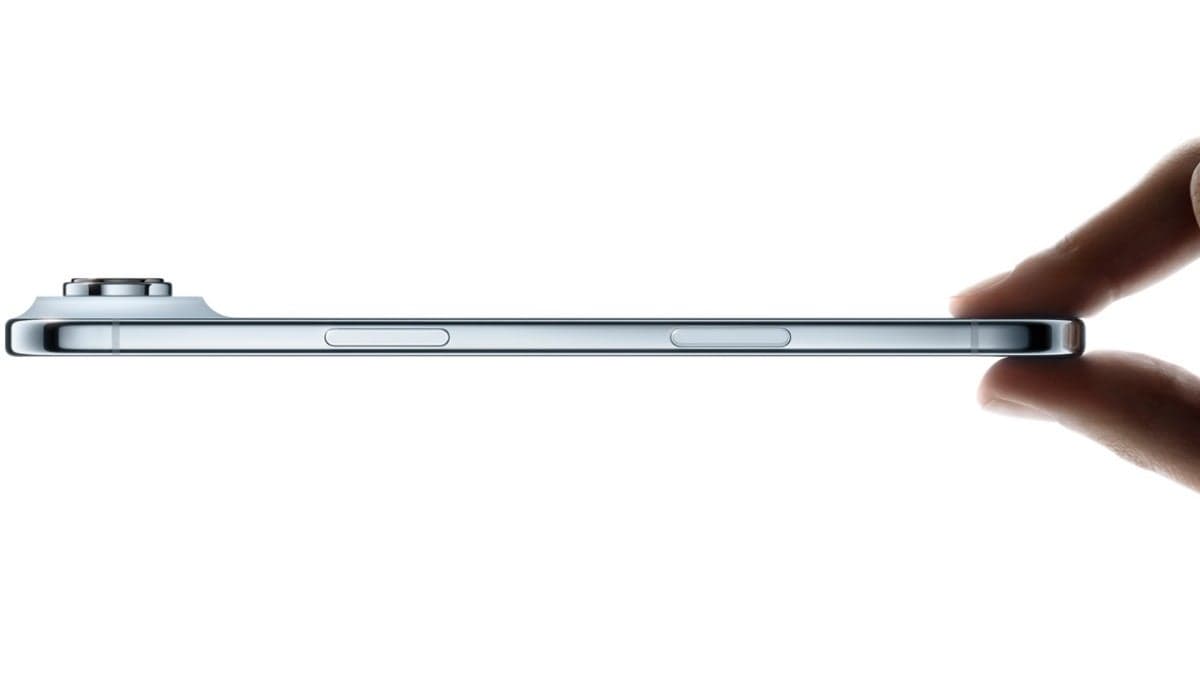
At 5.6mm, the incredibly thin Apple iPhone Air could represent the future of iPhone design. Just as the iPhone X started a major shift in 2017, a thinner iPhone may become standard. The new design might not be as thin, but Apple likely learned a lot about fitting components inside its devices while developing the iPhone Air.
JerryRigEverything's Zach Nelson is known for conducting durability tests on phones. His torture tests on the iPhone Air revealed it should not bend in pockets as many feared. It took almost 216 pounds of force, focused on one area, to crack the screen. Because pressure in a pocket would be spread across the device, the iPhone Air is likely safe in your pocket.
The iPhone Air looks impressive, but when Zach cracked the screen, the phone continued to function normally. When he initially tried to bend the phone to crack it, it would flex slightly and return to its original form. Zach stated, "The iPhone Air has no business being this indestructible."
Apple executives likely considered #Bendgate when designing the extremely thin iPhone Air. In 2014, Apple launched the iPhone 6 and iPhone 6 Plus. The larger model had a weak point near the volume buttons and could bend when placed in a tight pocket. Apple stated that it only received nine complaints.
After #Bendgate went viral, Apple reportedly responded to a video of the iPhone 6 Plus bending in Computer Bild, a top-selling European computer magazine, by revoking the magazine's credentials and ending review unit shipments.
The iPhone Air is important for Apple because after years of similar designs, it offers an exciting new look. However, buyers face compromises like the absence of an ultra-wide and a telephoto camera. The phone uses computational photography to create a 2x zoom effect via a sensor crop from the 48MP main camera.
Apple isn't requiring too many sacrifices to own what is possibly the first new iPhone model to attract attention since the iPhone X. The iPhone X was also the first to cost over $1,000, with the base 64GB model priced at $999. The 256GB version was the first to exceed $1,000.
The base iPhone Air model, with 256GB of storage, costs $999. This is the same price as the base iPhone X in 2017. That was the last time Apple released a new style of iPhone.
Apple should now apply this innovation to areas such as battery technology. Chinese manufacturers are ahead in larger cells and faster charging. Apple needs to improve upon the iPhone Air. Bringing charging speeds similar to Oppo to U.S. iPhone users could significantly boost sales.
"Iconic Phones: Revolution at Your Fingertips," a coffee table book about the technological revolution of the 21st century, will be released in a few months.