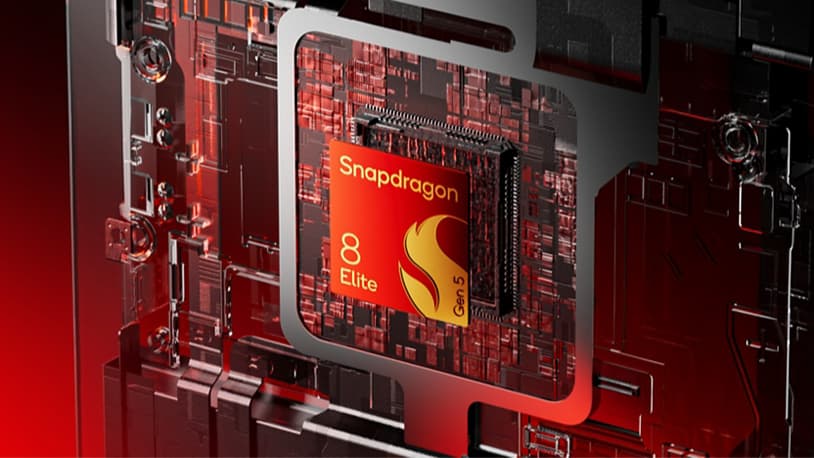
The new Snapdragon 8 Elite Gen 5 processor is very powerful, but some phones may struggle with its heat output.
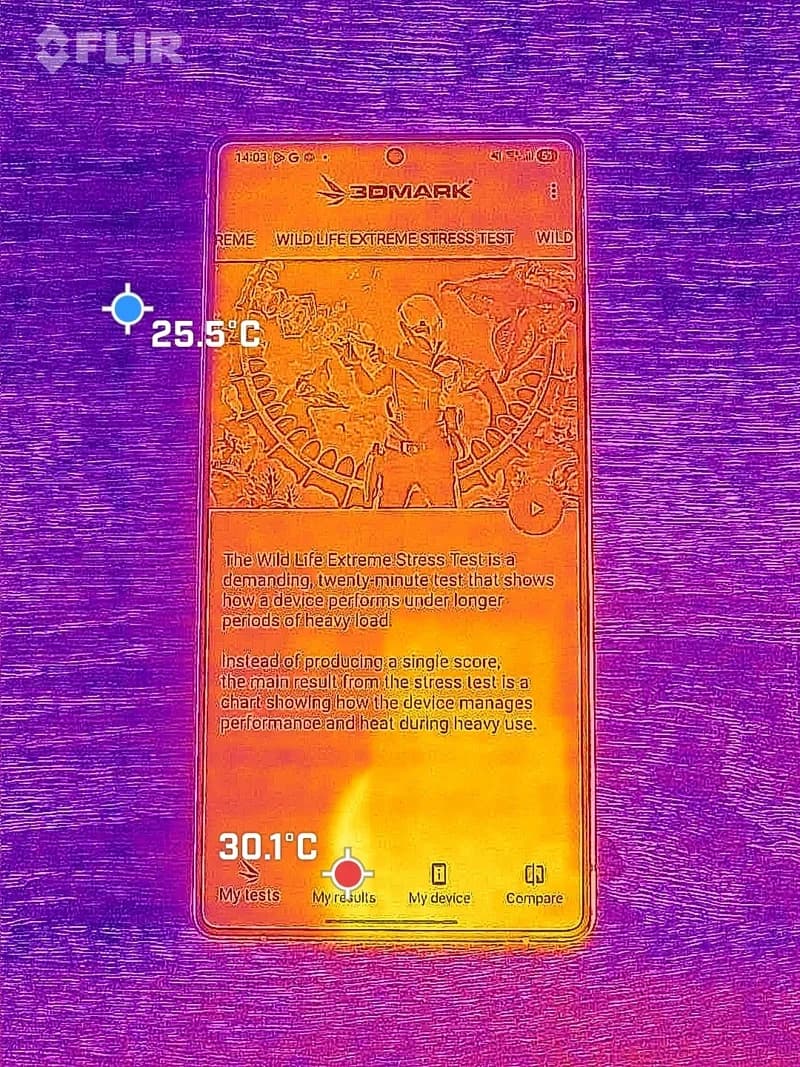
Every year smartphone chips become faster and faster, but there's a twist. With great power comes even greater heat generation...
The Snapdragon 8 Elite Gen 5's high temperature is a concern often overlooked amid discussions of Apple's potential loss of its lead in chipset technology.
Initial tests of the Snapdragon 8 Elite Gen 5 in the RedMagic 11 Pro yielded impressive results, surpassing Apple's A19 Pro in the iPhone 17 Pro Max in all benchmarks except for Geekbench 6's single-core test.
The RedMagic 11 Pro's advanced cooling system, featuring a large vapor chamber, liquid cooling with a nano ceramic pump, and a 24,000 RPM active fan, contributed significantly to this performance.
This cooling system enabled the phone to maintain 80% stability during the 3DMark Wildlife Extreme Stress Test, a notable achievement for such a powerful chip.
However, the Nubia Z80 Ultra, lacking such sophisticated cooling, provided a more realistic indication of the Snapdragon 8 Elite Gen 5's performance in typical devices.
The Nubia Z80 Ultra became very hot, exceeding 50°C internally, and struggled to maintain peak performance.
Without the advanced cooling found in the RedMagic, the stress test results on the Nubia Z80 Ultra were concerning.
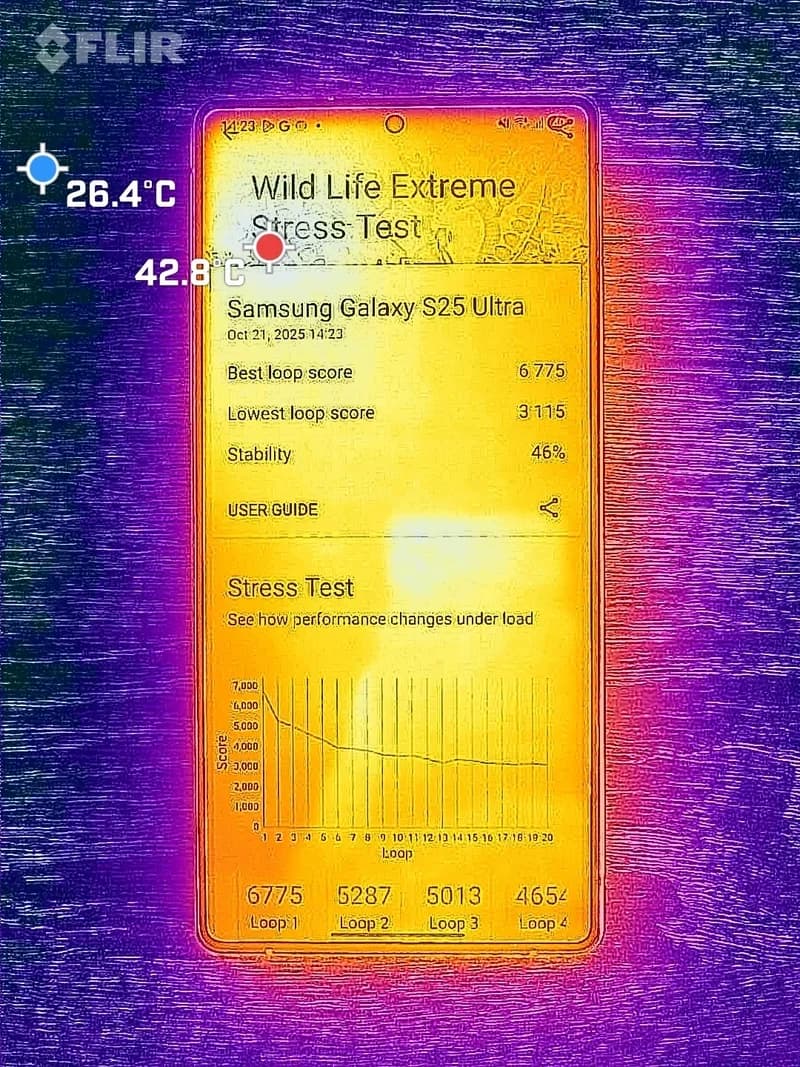
Although the phone initially delivered good peak performance, its performance degraded by over 50% as temperatures increased. Under sustained load, it performed worse than last year's chip.
The Nubia's lowest loop score was 3064, less than the Honor Magic V5's 4443, an ultra-thin foldable using the older Snapdragon 8 Elite chip. The Xiaomi 14 Ultra, with the Snapdragon 8 Gen 3, scored higher at 4018.
Effective cooling is becoming increasingly vital.
Peak performance is irrelevant if a smartphone cannot sustain it. As chips become faster, their thermal design power increases. The heat generated in a smartphone's compact design leads to throttling.
Gaming phones from two years ago with superior cooling can now outperform current flagships.
Manufacturers are aware of this issue. Apple included a vapor chamber in the latest iPhone 17 Pro models and highlighted sustained performance during its presentation.
Future flagship phones will likely emphasize cooling as much as cameras and battery life.
The Galaxy S25 Ultra already exhibits thermal throttling, achieving only 46% stability in 3DMark, worse than the Nubia.
The upcoming Galaxy S26 series, expected to use the Snapdragon 8 Elite Gen 5 in US versions, may face greater thermal challenges.
Snapdragon chips in Galaxy phones have been tuned "For Galaxy" for higher clock speeds and better peak performance, which also increases heat.
While the Galaxy S26's cooling is unknown, it likely won't include fans or server-grade liquid cooling. Hopefully, Samsung has addressed this to avoid overheating issues.