The next MacBook Pro with the M5 chip may be designed for a different user base than current Mac users.
Why Microsoft's Windows 11 'mess' could be a huge gift for Apple's new laptops
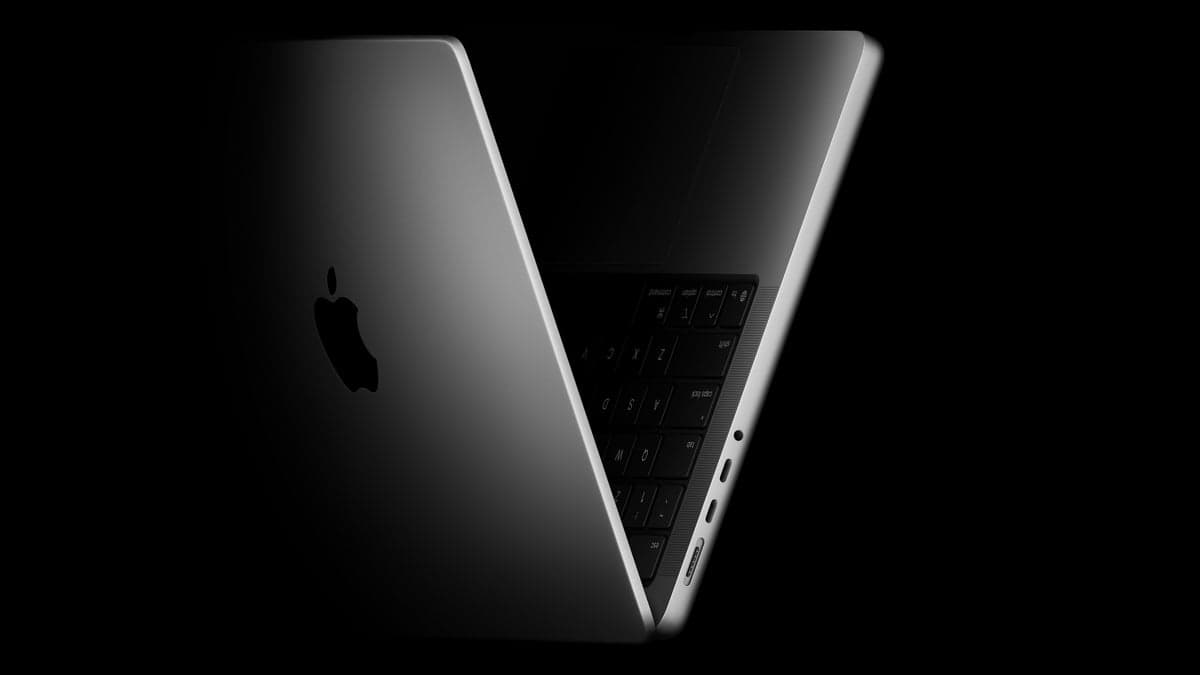
The latest M5 MacBook Pro from Apple is a minor upgrade that most Mac users can skip. More significantly, Apple has provided an appealing alternative for Windows users unhappy with Windows 11.
Apple quietly released the new 14-inch MacBook Pros on a Wednesday morning, signaling a minor update. According to Apple analyst Mark Gurman, the upgrade consisted of swapping in the M5 processor without other major changes, and the launch did not include a presentation. Current M-series MacBook Pro owners have no reason to upgrade.
However, the new entry-level $1599 model is powerful. Gurman notes that Apple’s tests show the M5 performs similarly to the previous high-end M1 Ultra desktop chip. It also features a cooling fan for consistent performance, a better screen, and long battery life. While a capable device, it is not targeted at recent buyers.
The timing of this understated launch is advantageous, thanks to Microsoft. Gurman also pointed out the current instability in the PC market. Microsoft is pushing users to upgrade from Windows 10, which is nearing the end of its security updates.
Many users are reluctant to switch to Windows 11, due to its stringent hardware requirements, such as TPM 2.0, that render older PCs obsolete. Additionally, many are unenthusiastic about the updated interface and integrated ads. Windows users face a choice between using an outdated, insecure operating system or purchasing a new computer for an OS they dislike. This provides an opportunity for Apple.
The launch seems like a smart, timely move by Apple. While the M5 may not entice M3 users to upgrade, it presents a compelling, stable option for Windows users facing a forced upgrade to Windows 11.
For those considering new hardware, the question becomes whether to buy another Windows machine for an unwanted OS or switch to Mac. The "switch to Mac" argument is now centered on escaping Microsoft's software, rather than Apple's hardware. Microsoft's misstep could bring a wave of new professional users to Apple.