The Pixel 10 Pro may push the boundaries of computational photography with its zoom capabilities, raising questions about what truly defines a photo.
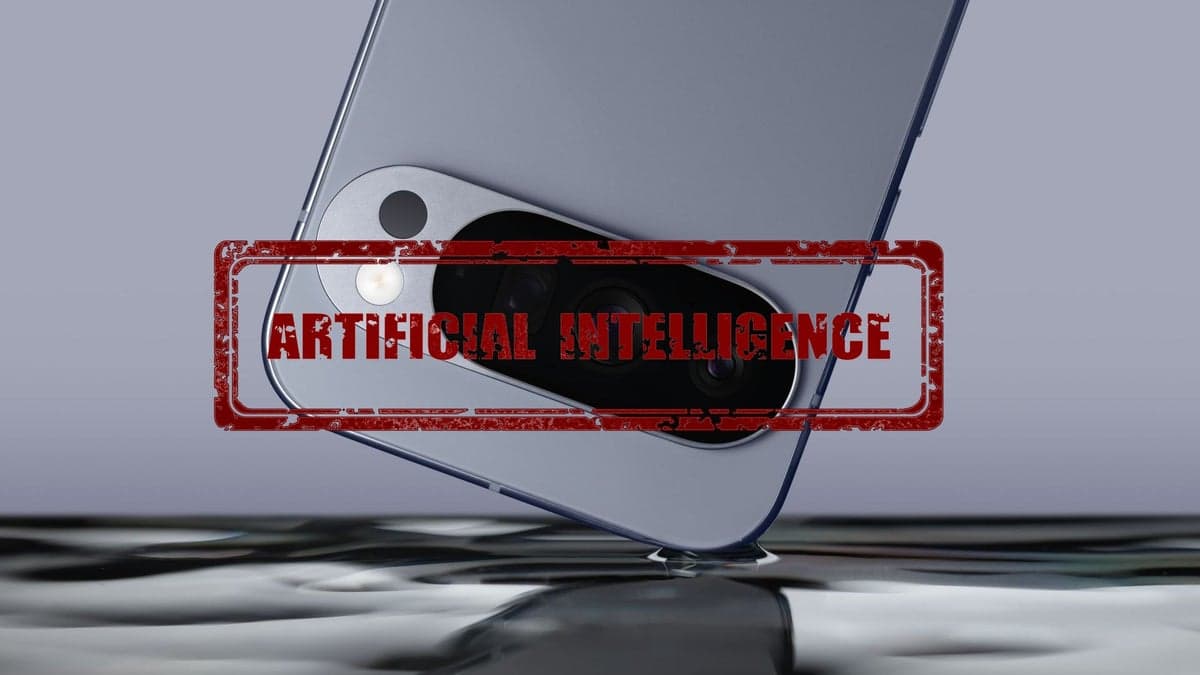
The Pixel 10 series is out, and one of the features that has been making the rounds since the announcement is the new AI-powered Pro Res Zoom.
While several companies use algorithms for digital zoom, the Pixel 10 series is the first to openly advertise the AI within the feature.
This raises a fundamental question: At what point does an image cease to be a true photograph? To understand this, let's examine the origins of photography.
The term "photograph" originates from Greek, signifying drawing with light. Since the camera obscura's invention, the goal has been to capture reality with maximum accuracy.
For many years, the ideal image mirrored reality as closely as possible, a pursuit involving advancements in lenses, film sensitivity, and color-accurate paper.
This objective carried over to digital photography, where many firms still aim for realistic image production.
However, the incorporation of AI introduces complexities, raising concerns about authenticity.
The blurring of reality due to AI is becoming increasingly apparent.
The impact of generative AI over the last few years has made it hard to discern whether an image is a genuine depiction of reality or altered/created by AI.
Previously, achieving similar results required hours of work and advanced Photoshop skills. Now, AI accomplishes this instantly, creating new issues. The Pixel 10 series, with features like Pro Rez Zoom, Best Take, and Add Me, seemingly normalizes this.
Pro Res Zoom is particularly concerning because it subtly alters images, potentially causing problems beyond just altering the appearance of pets.
Pixel 10's Pro Res Zoom (on Pro models) surpasses typical enhancement. At 100x zoom, the diffusion model uses sensor data to generate detail, creating new pixels and textures rather than just refining the image.
While this might seem acceptable for casual snapshots, consider using it to capture a license plate after a theft. If AI makes an error, what happens?
Similarly, if reliance on Pro Res Zoom to read a parking sign leads to an AI-generated misinterpretation, resulting in your car being towed, the consequences are significant. These examples highlight the risks.
The Add Me feature also presents risks, enabling users to be placed in fabricated scenarios, potentially misleading investigators in legal matters.
Google has stated that all photos using AI in any capacity will be marked accordingly. The company stated:
Pixel 10’s Camera app is the first with C2PA Content Credentials built in. The full process takes place on-device on Tensor G5 and the Titan M2 security chip, where we create secure metadata within the image that documents its full journey. It achieved the highest security rating currently defined by C2PA.
Pixel 10’s Camera app is the first with C2PA Content Credentials built in. The full process takes place on-device on Tensor G5 and the Titan M2 security chip, where we create secure metadata within the image that documents its full journey. It achieved the highest security rating currently defined by C2PA.
While this labeling might mitigate some concerns, the core question persists: When does an image lose its authenticity as a photograph? Should it be classified differently? Given that most users might not examine metadata, alternative labels or names may be necessary.
What are your thoughts? Should AI-altered images be clearly marked with a standard visual cue, or would that limit creativity?