Tim Cook discussed how the iPhone Air maintains good battery performance despite its thin design.
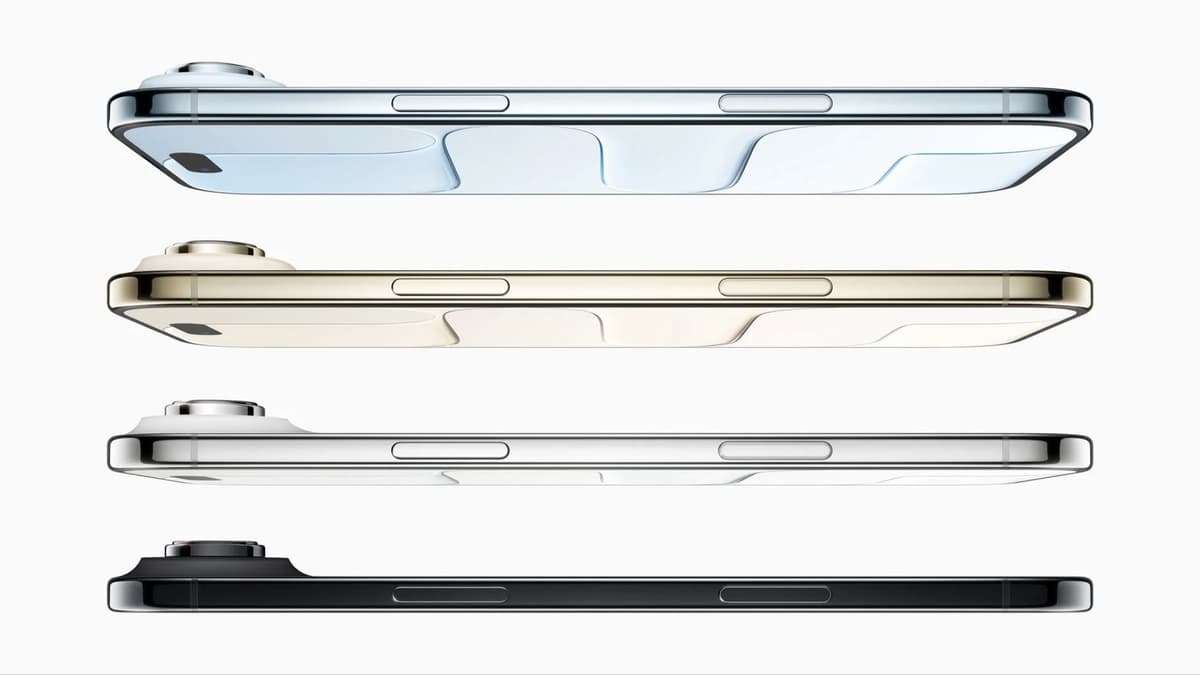
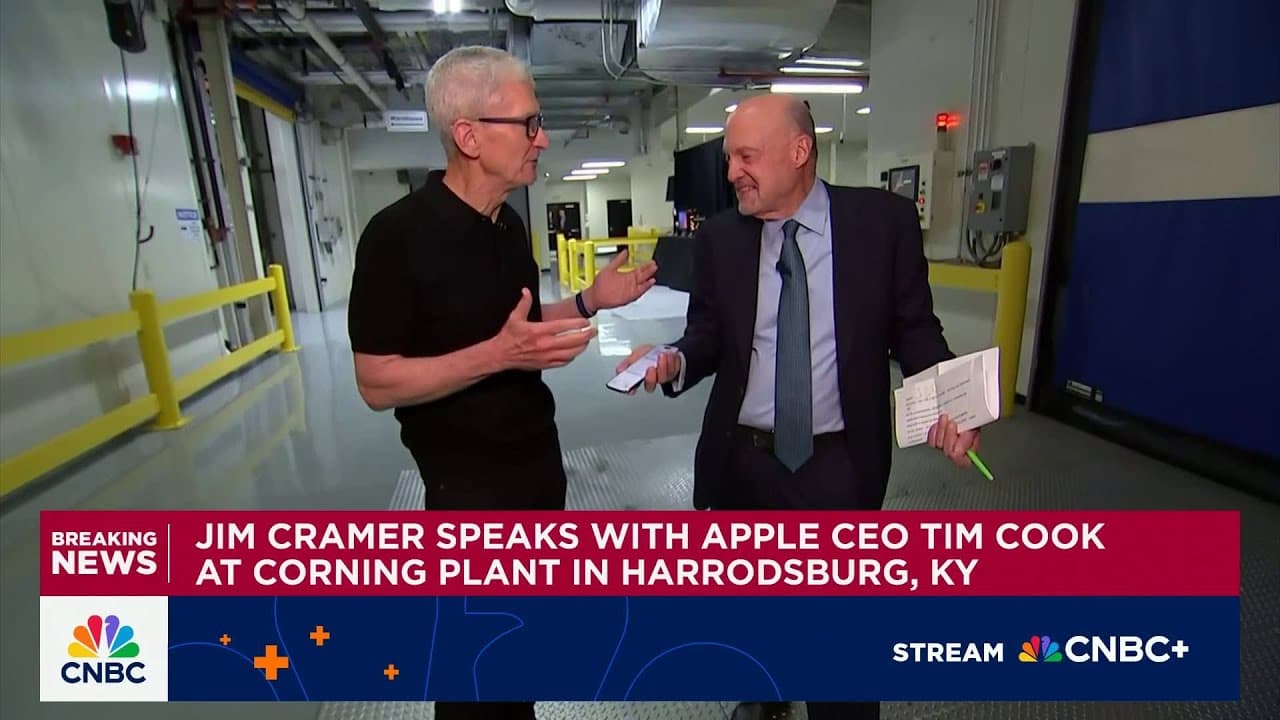
In a recent interview, Apple's CEO gave more details about the new Air model.
Apple's iPhone 17 series was revealed last week, introducing the iPhone Air, an incredibly thin model designed for high performance. With a thickness of only 5.6mm, a key concern is its battery performance.
Tim Cook addressed this concern in a post-launch interview, assuring users of significant battery life improvements. According to Cook, eliminating the physical SIM card slot in the Air model was essential to achieving this.
Cook stated in September 2025 that the iPhone Air's battery life would be exceptional, because the internal design allocates the space formerly used by the SIM card to battery expansion, calling it an "incredible innovation."
The iPhone Air is the first iPhone to abandon physical SIM cards globally. While US iPhones have used eSIM exclusively for some time, international models still had SIM slots, which the Air lacks to maximize battery space within its slim design.
The iPhone Air reflects the industry's focus on thinner devices. Samsung's Galaxy S25 Edge, released earlier in the year, is also ultra-thin but has a smaller battery compared to other models in its lineup.
Samsung chose to keep the SIM slot, which resulted in a slightly thicker device. Apple, however, prioritized thinness, removing the SIM tray altogether to push the design limits of the Air, making it 2mm thinner than the Galaxy S25 Edge at just 5.6mm.
Real-world testing is needed to confirm Cook's battery life claims. While it should last a full day on paper, actual performance will vary depending on usage.
It remains to be seen if the extreme thinness of the iPhone Air is a worthwhile trade-off. We will conduct battery tests to determine if the new design offers tangible benefits.