TSMC's CEO is worried about a chip production issue that might benefit Samsung Foundry.
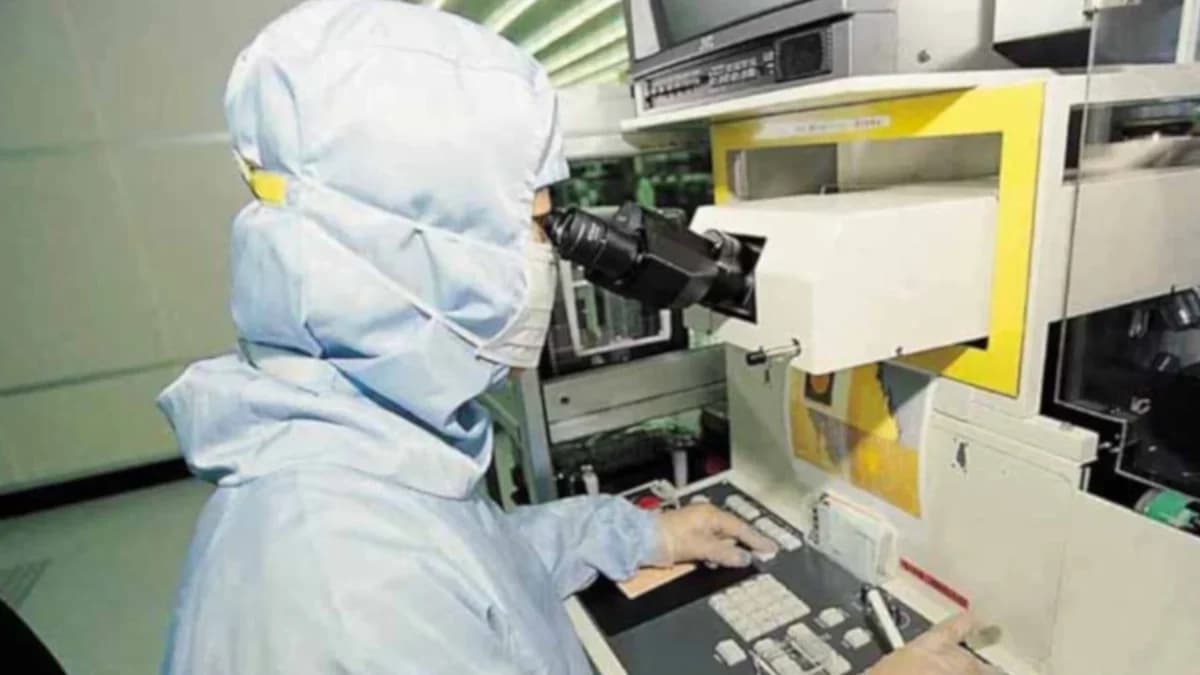
C.C. Wei says that supply from TSMC is running 300% short of demand.
TSMC continues to receive a high volume of orders. The company's third-quarter revenue for 2025 was reported as $33.1 billion, showing significant chip output. However, TSMC's CEO, C.C. Wei, stated that overall demand for chips is exceeding supply. According to Wei, current demand for TSMC's chips is three times greater than their production capacity. This imbalance could lead to potential production bottlenecks, impacting the availability of tech products that rely on TSMC semiconductors.
The production shortfall is even more pronounced for chips using advanced processes like 5nm, 3nm, and 2nm. Wei indicated that TSMC's current output of these chips is substantially inadequate. Clients with long-term contracts may be less affected, while prospective customers without existing agreements could face considerable delays in securing production capacity.
Strong demand for AI chips, such as those from Nvidia, may limit TSMC's ability to fulfill new orders using advanced process nodes. Companies unable to secure TSMC production may consider Samsung Foundry, although TSMC held 70.2% of the contract semiconductor foundry market in the second quarter of this year. Samsung's share was 7.3%, placing it second, while SMIC had 5.1%.
Samsung Foundry's yield issues have deterred some chip designers. Previously, Qualcomm moved Snapdragon 8 Gen 1 production away from Samsung Foundry because of yield problems. After revising the specs, Qualcomm partnered with TSMC to produce the Snapdragon 8+ Gen 1 and has remained with TSMC since.
Yield refers to the percentage of functional chips obtained from a silicon wafer. Last year, Samsung spent $400 million to acquire additional Snapdragon 8 Elite application processors (APs) due to low yields on 3nm production, which affected the production timeline of Exynos 2500 APs for the Galaxy S25 series. With improved yields, the Exynos 2600 AP is expected to be used in the Galaxy S26 and S26+ in select regions.
The key question is whether the current capacity constraints will push manufacturers to explore alternative foundries besides TSMC. The high demand for TSMC's services may create an opportunity for Samsung Foundry. Early reports on the Exynos 2600 AP are positive, potentially signaling a turnaround for Samsung Foundry.
Building a 2nm fab costs around $28 billion and requires three to five years for completion. Resolving TSMC's chip shortage will take time, likely requiring years to expand capacity. It remains to be seen whether Samsung Foundry can capitalize on this situation.