Wall Street analysts are divided on Apple's future prospects.
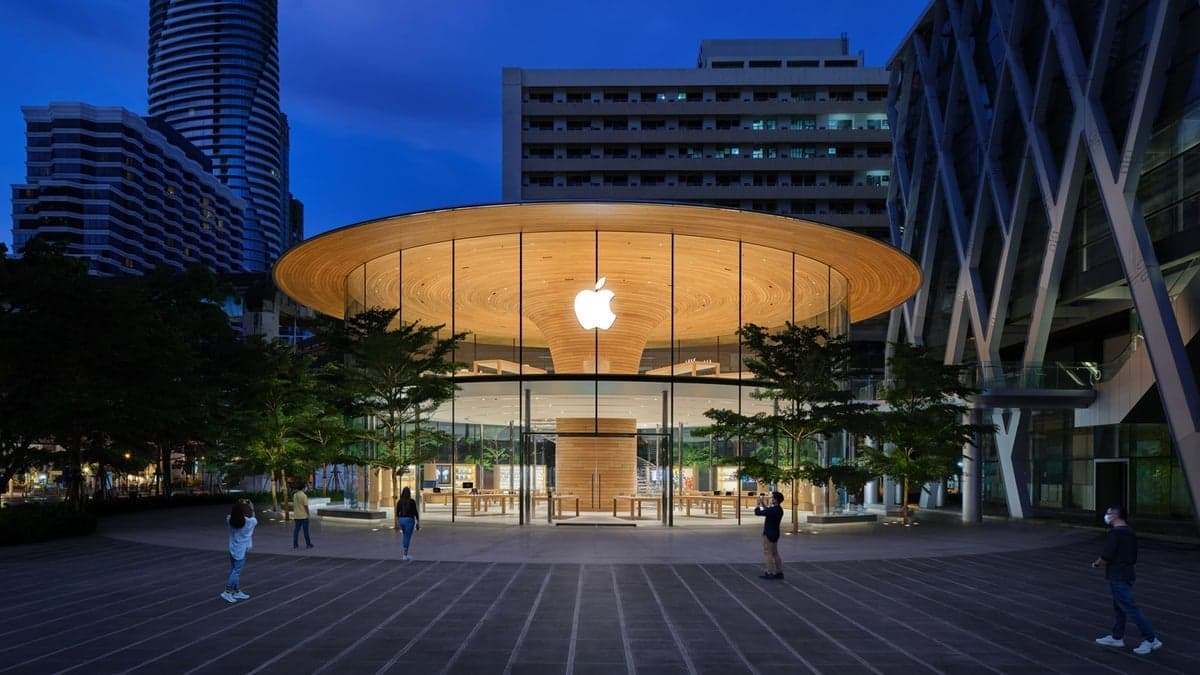
Apple has had a solid but not spectacular 12 months on Wall Street. Some are bullish, others bearish on the stock.
Kantrowitz suggests that the slow advancement of AI benefits Apple, allowing them to focus on their strengths. He notes that Apple's expertise in phone manufacturing is evident in the enhanced iPhone 17 series and the well-received iPhone Air design, leading to increased orders.
According to Kantrowitz, the popularity of these models stems from their enhanced durability and battery life. He adds that the focus is back on the product itself, which is resonating with consumers. He believes that while Apple's struggles with artificial intelligence remain a problem, their narrative has changed, and consumers are reacting positively, with strong sales in both New York and China.
Despite the positive feedback, not all investors are enthusiastic about Apple. The company has lost its position as the most valuable publicly traded company to NVIDIA, and UBS reports that the iPhone upgrade cycle in the U.S. has extended to 35 months. Additionally, Macquarie Core Equity Fund reported in their Q2 2025 report that Apple's performance lagged behind the S&P 500 during the quarter, leading the fund to reduce its Apple holdings by 50%.
The fund stated that while Apple maintains appealing qualities and strong repurchase intent, its growth has slowed due to the maturity of several key products.
Despite differing opinions on Wall Street, Apple's stock is just $5.47, or 2.14%, away from reaching an all-time high.